Ayu Aulia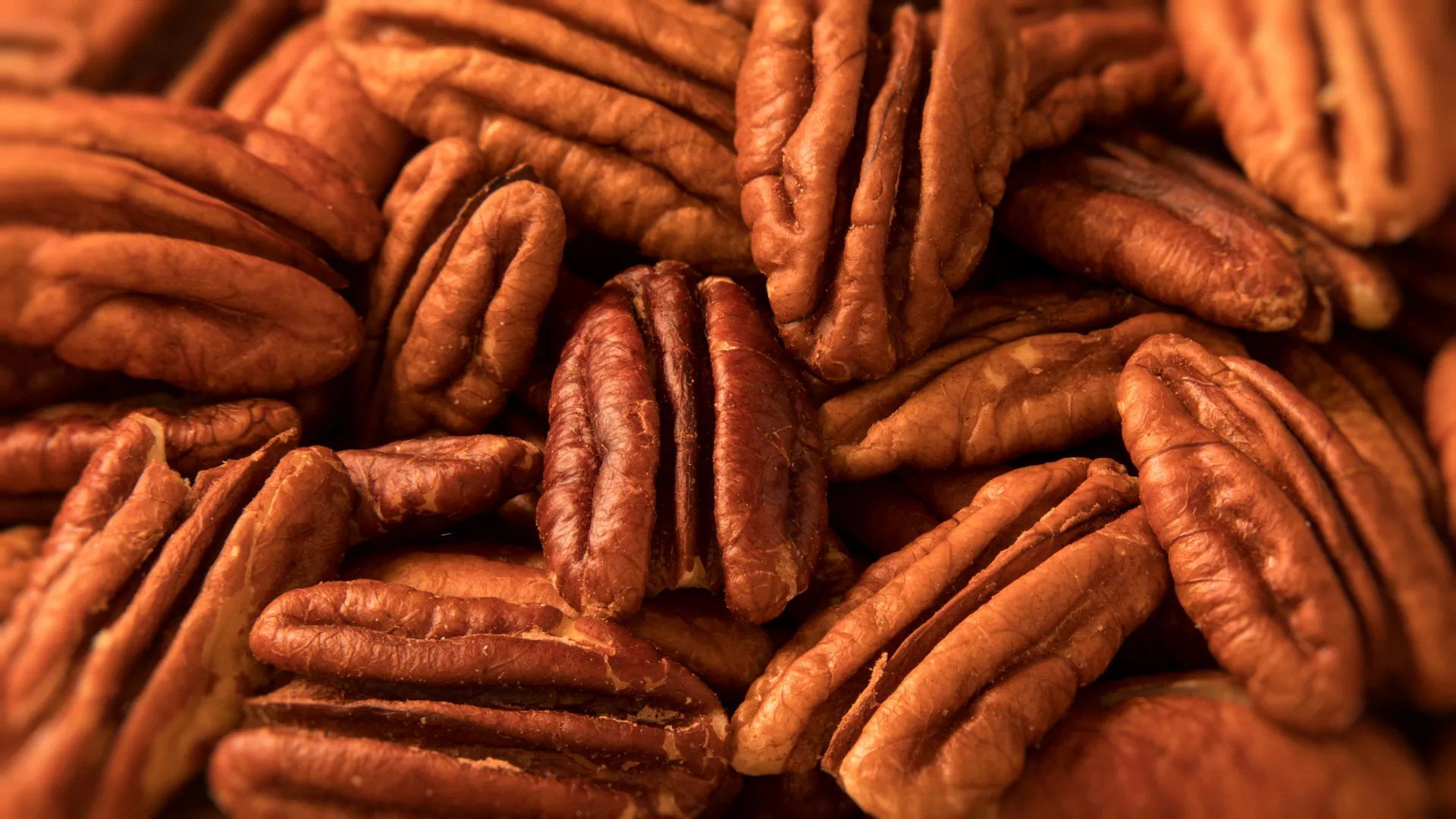
A recent exhaustive scientific review has meticulously synthesized over two decades of global research, unequivocally positioning the pecan, an indigenous American nut, as a potent dietary component for enhancing cardiovascular wellness and elevating overall nutritional intake, thereby drawing significant attention to its therapeutic potential during critical public health observances such as American Heart Month. This extensive meta-analysis, rigorously published within the esteemed peer-reviewed journal Nutrients, consolidates a substantial body of evidence affirming the pecan’s positive impact on cardiovascular health parameters and its contribution to superior dietary quality, while simultaneously identifying critical frontiers for subsequent scientific inquiry.
The investigation, spearheaded by leading researchers at the Illinois Institute of Technology, undertook a rigorous examination of a vast array of scholarly publications. This comprehensive methodological approach allowed for a holistic understanding of how pecans integrate into contemporary nutritional paradigms and address pressing public health imperatives. By systematically reviewing diverse study designs and outcomes, the research team sought to establish a robust evidence base for the pecan’s physiological effects and its utility in promoting well-being.
The Foundational Role in Cardiovascular Health
The most compelling and consistently corroborated findings from the review pertain directly to cardiovascular markers, with a particular emphasis on blood lipids. Across numerous human intervention studies, individuals who incorporated pecans into their regular dietary regimen, typically in modest, snack-sized portions, consistently demonstrated measurable improvements in several key lipid indicators. These included reductions in total cholesterol, low-density lipoprotein (LDL) cholesterol—often colloquially referred to as "bad" cholesterol—triglycerides, and non-high-density lipoprotein (non-HDL) cholesterol. These improvements are clinically significant, as elevated levels of these lipids are well-established risk factors for the development and progression of atherosclerosis and other cardiovascular diseases.
The salutary effects of pecans on lipid profiles are hypothesized to stem from their rich phytochemical composition. Pecans are notably abundant in polyphenols, a diverse class of plant compounds renowned for their potent antioxidant properties, alongside other intrinsically bioactive constituents. These compounds are believed to bolster the body’s endogenous antioxidant defense systems, thereby mitigating oxidative stress. Oxidative stress, characterized by an imbalance between free radical production and antioxidant defenses, plays a pivotal role in the initiation and progression of lipid oxidation, a deleterious process contributing to arterial plaque formation. Furthermore, nascent research suggests that pecan consumption may beneficially modulate post-meal lipid metabolism, an increasingly recognized factor influencing long-term cardiovascular risk. The collective evidence strongly indicates that the cardioprotective benefits of pecans largely derive from their capacity to optimize lipid processing and fortify systemic antioxidant capacity.
Beyond their antioxidant and anti-inflammatory potential, the unique fatty acid profile of pecans is also a significant contributor to their cardioprotective effects. Pecans are primarily composed of monounsaturated and polyunsaturated fats, particularly oleic acid (a monounsaturated fat) and linoleic acid (a polyunsaturated omega-6 fatty acid). These healthy fats, when replacing saturated and trans fats in the diet, are known to improve cholesterol levels by reducing LDL cholesterol and increasing HDL (high-density lipoprotein) cholesterol, which is often termed "good" cholesterol due to its role in reverse cholesterol transport. The synergy between these healthy fats, dietary fiber, and the wealth of polyphenols creates a powerful nutritional package for cardiovascular support.
Navigating Metabolic Health and Satiety Dynamics
While the evidence supporting cardiovascular benefits is robust, the review noted a more nuanced picture concerning blood sugar regulation and other diabetes-related metabolic parameters. Researchers underscored the necessity for further, more targeted investigations to precisely delineate the pecan’s role in comprehensive metabolic health. Nevertheless, certain lines of evidence propose that strategic dietary substitutions—specifically, replacing refined carbohydrates with pecans—could positively influence insulin sensitivity or assist in moderating post-prandial (after-meal) blood glucose excursions. This effect is likely attributable to the pecan’s fiber content, healthy fats, and protein, which can slow gastric emptying and nutrient absorption, thereby leading to a more gradual rise in blood sugar compared to high-glycemic refined carbohydrates.
An area of escalating interest highlighted by several studies is the profound impact of pecan consumption on satiety. Participants frequently reported enhanced feelings of fullness following the ingestion of pecans. This satiety-inducing effect is physiologically plausible, given the nut’s dense composition of fiber, healthy fats, and protein—macronutrients known to promote sustained feelings of repletion and reduce subsequent caloric intake. The implications of this finding are substantial for weight management strategies, offering a natural and nutrient-rich tool for appetite regulation.
Regarding long-term body weight outcomes, the findings were less uniform. However, the prevailing research definitively indicates that the inclusion of pecans in the diet does not demonstrably increase the risk of weight gain. Any observed fluctuations in body weight generally fell within the range of normal day-to-day variations, challenging the common misconception that all nuts, due to their caloric density, invariably contribute to weight gain. Instead, the nutrient-dense profile and satiety-promoting properties of pecans suggest they can be a valuable component of a balanced diet aimed at maintaining a healthy weight.
Elevating Overall Diet Quality and Adherence to Healthy Eating Patterns
Beyond their specific impact on isolated health markers, the review unequivocally established a compelling association between pecan consumption and an overarching improvement in dietary quality. Individuals who consistently integrated pecans into their daily diets demonstrated significantly higher scores on the Healthy Eating Index (HEI). The HEI is a rigorously validated measure employed to assess how closely an individual’s diet aligns with federal dietary guidelines, providing a quantitative metric of nutritional adherence. This finding suggests that pecans are not merely beneficial in isolation but serve as a proxy or facilitator for a generally healthier dietary pattern.
Furthermore, data extrapolated from nationally representative National Health and Nutrition Examination Survey (NHANES) cohorts provided additional empirical support for the natural integration of pecans into balanced eating patterns. This is particularly salient when pecans are consciously utilized as a replacement for less healthful, commonly consumed snack foods—such as those high in refined sugars, unhealthy fats, and low in essential nutrients. The "substitution effect" is critical here; by displacing nutrient-poor options, pecans contribute to a net enhancement of the diet’s nutritional density and overall healthfulness. This evidence positions pecans as a pragmatic and effective dietary choice for individuals striving to meet broader nutritional recommendations and improve their long-term health trajectory.
Dr. Britt Burton Freeman, PhD, MS, Director of the Center for Nutrition Research at the Illinois Institute of Technology, emphasized the scientific consensus emerging from the review: "What stands out most prominently in the assembled research is the remarkable consistency of the evidence establishing a clear link between pecans and improved markers of heart health, alongside a discernible enhancement in overall diet quality." She further elaborated on the broader implications, stating, "The additional insights garnered concerning satiety and weight management provide crucial context, especially in an era witnessing burgeoning interest in the physiological mechanisms of appetite regulation and the innovative application of glucagon-like peptide-1 (GLP-1) receptor agonist therapies for metabolic control." This expert perspective underscores the multifaceted utility of pecans in addressing contemporary health challenges.
Emerging Frontiers: Gut and Brain Health
The comprehensive review also illuminated several promising avenues for future research, underscoring the dynamic and evolving understanding of pecans’ physiological influence. These burgeoning areas of investigation include the intricate interplay between pecan consumption and both gut microbiome dynamics and cognitive function.
While the scientific literature in these domains remains in its nascent stages, the authors posited them as significant opportunities for intensive future exploration. The gut microbiome, a complex ecosystem of microorganisms residing in the human intestine, is increasingly recognized as a pivotal modulator of systemic health, influencing everything from metabolic regulation to immune function and even neurocognitive processes. Pecans, rich in dietary fiber and polyphenols, are prime candidates for modulating gut microbial composition and activity, potentially leading to beneficial shifts in the production of short-chain fatty acids and other microbial metabolites with systemic health implications.
Similarly, the emerging link between dietary patterns, cardiovascular health, and cognitive vitality suggests that the benefits of pecans may extend to brain function. The antioxidant properties, healthy fats, and anti-inflammatory compounds found in pecans could contribute to neuroprotection, support cerebral blood flow, and potentially mitigate age-related cognitive decline. Further research is warranted to elucidate these intricate connections and establish definitive causal relationships.
Practical Integration into a Heart-Healthy Lifestyle
For individuals actively seeking to augment their intake of plant-based nutrients and adopt more heart-healthy eating habits, pecans present an exceptionally convenient and versatile dietary option. Requiring no preparatory steps, they serve as an ideal grab-and-go snack. Beyond simple snacking, pecans can be seamlessly incorporated into a myriad of culinary applications. They can add a satisfying crunch and nutritional boost to morning oatmeal or yogurt, enhance the flavor and texture of salads, or be incorporated into wholesome baked goods. Furthermore, their rich, buttery flavor makes them suitable for savory dishes, providing a textural contrast in grain bowls, vegetable stir-fries, or as a component of a healthy nut-crusted protein.
The journey towards optimal heart health is frequently characterized by the accumulation of small, sustainable dietary adjustments rather than drastic overhauls. The deliberate inclusion of a modest handful of pecans into daily meals or snacks represents a simple yet profoundly flavorful strategy to bolster cardiovascular well-being and elevate the overall nutritional quality of one’s diet. For comprehensive resources and creative culinary inspiration, interested individuals are encouraged to explore EatPecans.com.
Transparency in Research Funding and Methodological Details
It is imperative to acknowledge that the foundational research underpinning this review was financially supported by the American Pecan Promotion Board (APPB). Crucially, the APPB maintained a strict policy of non-interference in the design, execution, analysis, or interpretation of the study, thereby ensuring the impartiality and scientific integrity of its findings.
The detailed review, titled "Pecans and Human Health: Distinctive Benefits of an American Nut," and published in Nutrients, meticulously evaluated over two decades of scientific inquiry into the health implications of pecan consumption. The researchers systematically analyzed 52 peer-reviewed studies published between the years 2000 and 2025. This extensive corpus included numerous human clinical trials specifically designed to investigate the physiological effects of pecan intake on cardiometabolic and a spectrum of other health-related outcomes.
The scope of the analysis was broad, encompassing established areas such as cardiovascular health, overall diet quality, blood glucose regulation, and the dynamics of body weight and satiety. Additionally, it ventured into more nascent but promising domains like gut and brain health. The review also provided a thorough assessment of the intricate nutrient and bioactive compound profile of pecans, detailing their content of beneficial unsaturated fats, dietary fiber, and a diverse array of polyphenols, while concurrently identifying salient gaps in the existing literature that warrant future investigative efforts.
The authors conscientiously outlined several inherent limitations within the body of reviewed literature. These included a relatively constrained number of long-term human intervention studies, which can complicate the establishment of definitive causality over extended periods. Furthermore, variations in study design, participant demographics, and the specific levels of pecan intake across different studies presented challenges for direct comparison and meta-analysis. Lastly, the inherently preliminary nature of data in newly emerging research areas, such as gut and brain health, necessitates cautious interpretation and underscores the need for more extensive, dedicated investigations to solidify these promising early observations.
The American Pecan Promotion Board (APPB) serves as the representative body for both pecan producers and importers, operating under the oversight of the United States Department of Agriculture (USDA) since its establishment in 2021. Its core mandate is to collectively fund scientific research and promotional initiatives aimed at amplifying consumer demand for pecans and disseminating awareness regarding their extensive health benefits and culinary versatility. The APPB maintains its headquarters in Irving, Texas.




 Aura Kasih
 Lisa Mariana


 Ridwan Kamil