
 Aura Kasih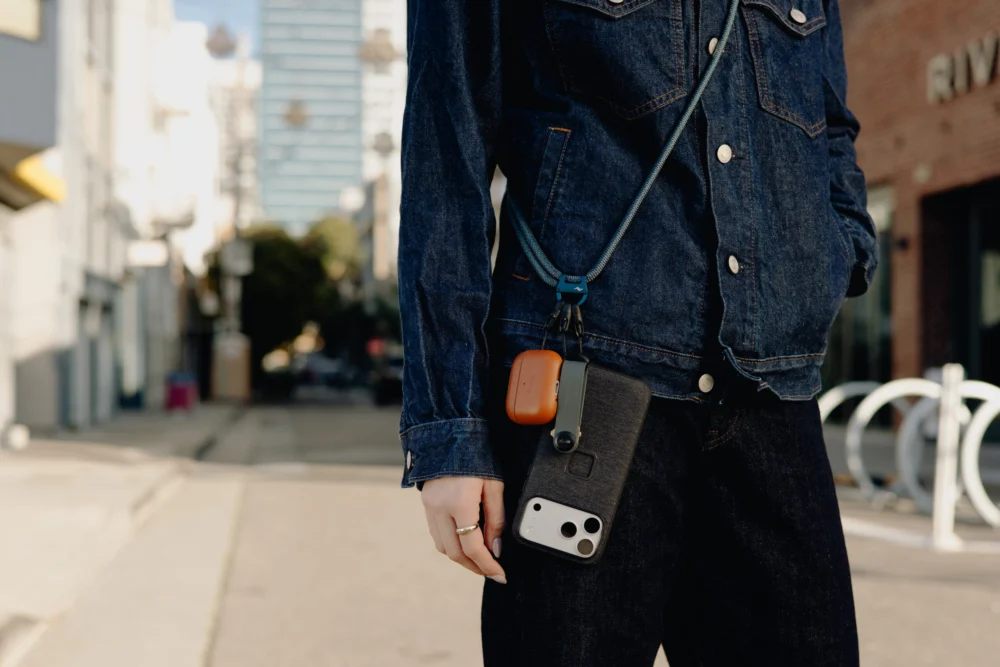
Peak Design, a company renowned for its thoughtfully engineered camera accessories and carry solutions, is challenging the conventional notion of what it means to carry essentials by introducing a new line of mobile straps designed for individuals who prefer to keep their hands and pockets free without resorting to traditional bags. This innovative collection offers a minimalist approach to personal gear transport, catering to a growing segment of consumers seeking practical, stylish, and unencumbered ways to keep their most-used devices close at hand.
The newly launched range comprises three distinct offerings, each meticulously crafted to address different user needs and carrying preferences. The most compact of the trio is the Mobile Cuff, a $29.95 wrist strap designed for the utmost simplicity. This accessory provides a secure tether for smartphones or other small, frequently accessed items, ensuring they remain within immediate reach without adding bulk. Moving up in functionality, the $49.95 two-point Crossbody Strap offers a more versatile carrying experience. This strap positions a device diagonally across the torso, distributing weight comfortably and allowing for quick deployment. However, it is the $59.95 Crossbody Multi-Strap that truly pushes the boundaries of this minimalist carrying philosophy. This flagship product leverages a system of anchor attachments to enable users to carry multiple small gadgets simultaneously, effectively creating a wearable, modular carry system that bypasses the need for a dedicated bag.
At the core of Peak Design’s new strap system is a proprietary corded rope. This material was not a random selection but rather the result of extensive research and development, engineered to strike a delicate balance between robust strength, ergonomic comfort, and a degree of controlled stretch. This nuanced material composition is crucial for ensuring that the straps can reliably support the weight of carried items while remaining comfortable against the skin during extended wear. The compatibility of these straps is also a significant consideration. They are designed to integrate seamlessly with any Peak Design mobile case or Apple iPhone 17 case. For users employing third-party cases, an included adapter ensures broad interoperability, making the system accessible to a wide array of smartphone owners. The anchor attachments, particularly those on the Crossbody Multi-Strap, are engineered with considerable load-bearing capacity. Each individual attachment point is rated to withstand a substantial 50 pounds (approximately 23 kilograms) of force. This robust rating opens up possibilities for carrying not just smartphones but also other compact, lightweight devices such as point-and-shoot cameras. It is important to note, however, that this capacity is geared towards smaller, lighter imaging devices and not the heavier, more substantial mirrorless or DSLR camera bodies.
The visual presentation of the Crossbody Multi-Strap, especially when laden with multiple attachments, evokes a certain technical aesthetic, reminiscent of mountaineering or climbing gear. This design choice, while functional, raises a pertinent question regarding the tipping point where such a system might begin to rival the practicality of a small bag or sling. For individuals carrying a collection of items, including accessories like an AirPods case that could potentially be dislodged with vigorous movement, the consideration of a more enclosed carrying solution might become more appealing. The inherent risk of items becoming unsecured, particularly in dynamic environments, is a factor that users will need to weigh against the benefits of a bag-free carrying experience.
The emergence of wearable strap solutions for personal electronics is not an entirely novel phenomenon, particularly in global markets. Across Europe and Asia, smartphone carry straps have achieved considerable popularity, reflecting a cultural inclination towards convenience and a desire to minimize personal cargo. Peak Design’s foray into this space follows the recent introduction of similar products by major technology manufacturers, most notably Apple’s own $59 iPhone crossbody strap. Apple’s offering, characterized by its minimalist flat design and innovative magnetic length adjustment system, signals a broader industry recognition of this evolving consumer preference. Peak Design’s entry, however, distinguishes itself through its emphasis on a more robust, modular, and potentially more versatile system, built upon the company’s established reputation for durability and thoughtful design in the gear accessory market.

The strategic rationale behind Peak Design’s expansion into wearable straps can be understood within the broader context of evolving consumer habits and technological integration into daily life. As smartphones and other portable electronic devices become increasingly indispensable, the need for convenient, secure, and accessible carrying solutions intensifies. Traditional methods, such as pocketing devices, often lead to discomfort, potential damage, or limited carrying capacity. Backpacks and messenger bags, while offering ample storage, can be cumbersome for quick access or for individuals seeking a more minimalist approach to their daily carry. Peak Design appears to be identifying and addressing a niche that bridges these two extremes, offering a level of accessibility and freedom that neither pockets nor full-sized bags can fully provide.
The design philosophy underpinning these straps likely draws from Peak Design’s extensive experience in creating gear for photographers and videographers. These professionals often require rapid access to their equipment while navigating diverse environments, from urban landscapes to challenging outdoor terrains. The principles of ergonomic weight distribution, quick-release mechanisms, and secure attachment are paramount in their field, and these same principles seem to be applied to the mobile strap lineup. The custom-developed rope, for instance, suggests a focus on materials science and engineering that goes beyond superficial aesthetics, aiming for a tangible improvement in user experience and product longevity.
Furthermore, the concept of modularity, as exemplified by the Crossbody Multi-Strap, aligns with a growing trend in product design towards personalization and adaptability. Consumers are increasingly seeking products that can be customized to their specific needs and preferences. By offering a system of anchor attachments, Peak Design empowers users to configure their carrying setup in a way that best suits their individual requirements, whether that involves carrying a phone and a small camera, or a phone and an audio recorder, or any other combination of compact essentials. This approach not only enhances the utility of the product but also extends its relevance across a wider range of activities and professions.
The market for accessories that enhance the usability of personal technology is vast and continues to grow. Within this market, there is a discernible shift towards solutions that prioritize both form and function, moving away from purely utilitarian designs towards products that also offer aesthetic appeal and a sense of personal style. Peak Design has historically excelled at this balance, and their new strap collection is likely to follow suit. The visual sophistication of their products, coupled with their practical innovation, positions them well to capture the attention of consumers who are discerning about the gear they use.
The implications of this product line extend beyond mere convenience. For individuals who rely on their smartphones for work, creative endeavors, or communication, having a secure and easily accessible device can significantly enhance productivity and responsiveness. The ability to quickly capture a photo, record a voice note, or access information without the need to rummage through a bag can be a subtle yet impactful advantage in fast-paced environments. Moreover, for those who suffer from back or shoulder strain associated with carrying heavy bags, wearable strap systems offer a potentially more ergonomic alternative for carrying essential items.
Looking ahead, the success of Peak Design’s mobile strap line could pave the way for further innovation in the realm of wearable technology accessories. As the boundaries between our physical and digital lives continue to blur, the demand for intuitive and unobtrusive ways to manage our connected devices will only increase. We might see the development of even more specialized straps, perhaps integrated with smart features, or designed for specific professional applications. The exploration of new materials, such as advanced composites or smart textiles, could lead to straps that are lighter, stronger, and more comfortable than ever before. The current offerings from Peak Design represent a significant step in this direction, offering a compelling glimpse into a future where our essential technology is not just carried, but seamlessly integrated into our personal mobility. The company’s commitment to engineering excellence and user-centric design suggests that this is just the beginning of their exploration into the unburdened carrying solutions of tomorrow.



 Ridwan Kamil

 Lisa Mariana
 Ayu Aulia