Aura Kasih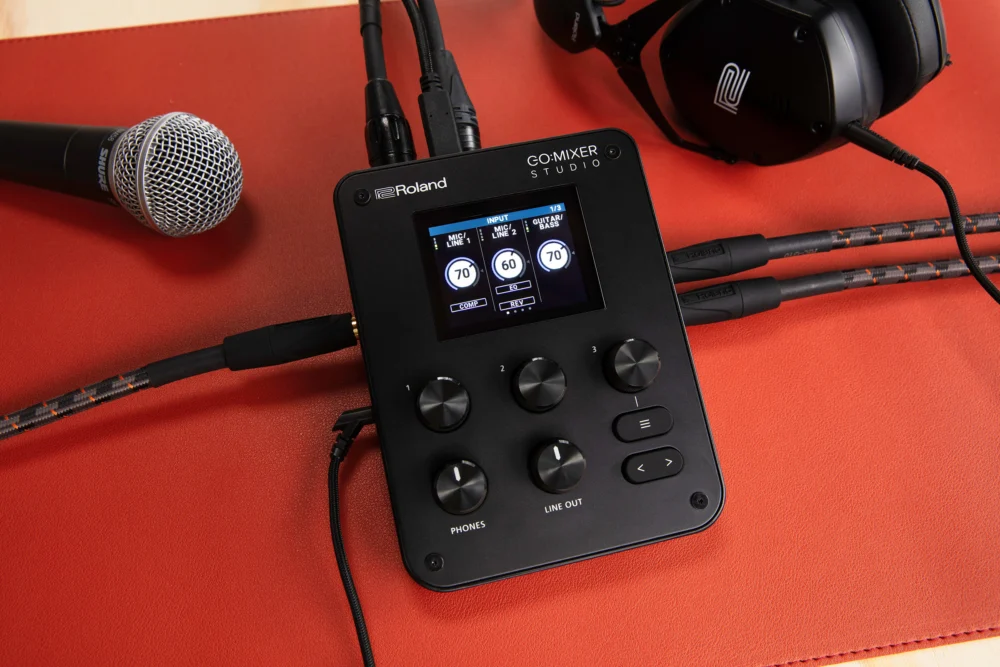
Roland, a venerable name in audio technology, has introduced a significantly enhanced iteration of its mobile audio interface, the Go:Mixer Studio, aiming to transform smartphones and tablets into sophisticated production hubs for musicians and digital storytellers alike. This new offering represents a substantial leap beyond the capabilities of its predecessors, which were primarily geared towards rudimentary live streaming and quick on-the-go demos. The Go:Mixer Studio is engineered to bridge the gap between casual content creation and professional-grade audio capture, boasting expanded input and output options, integrated digital effects, and support for high-resolution audio up to 24-bit/192kHz. Furthermore, a dedicated iOS application facilitates simultaneous video recording and multi-track audio capture, streamlining the workflow for demanding creators.
The evolution of mobile technology has undeniably democratized content creation, but the limitations of onboard audio processing and input capabilities on smartphones and tablets have often been a bottleneck for those aspiring to produce content with a professional polish. Roland’s Go:Mixer Studio directly addresses this challenge, providing a comprehensive solution that empowers users to move beyond basic audio capture and engage in more intricate sound design and mixing, whether for live performances, podcasting, vlogging, or music production. The device’s design prioritizes both functionality and ease of use, acknowledging the fast-paced nature of digital content creation and the need for intuitive controls.
Historically, mobile audio interfaces have occupied a niche market, often serving as a compromise for creators on a budget or those prioritizing portability above all else. While offering a tangible improvement over built-in microphones, these devices frequently fell short in terms of flexibility, sound quality, and the ability to handle multiple audio sources simultaneously with adequate headroom and sonic fidelity. The Go:Mixer Studio appears to have been meticulously designed to overcome these limitations, integrating features typically found in larger, more stationary audio mixers. The inclusion of high-resolution audio support is particularly noteworthy, as it caters to a growing demand for studio-quality sound in mobile productions, enabling richer detail and a broader dynamic range in recordings.
A primary focus for the Go:Mixer Studio remains its utility for live streaming and social media video production. Its form factor, which includes the option for mic stand mounting, ensures that critical audio controls are readily accessible during live broadcasts or video shoots. This ergonomic consideration is crucial for creators who need to make real-time adjustments to their audio mix without interrupting their performance or presentation. The device’s onboard controls offer direct manipulation of all parameters, providing immediate tactile feedback. Complementing this physical interface is a sophisticated desktop application for both Windows and macOS, extending remote control capabilities and enabling more in-depth mixing and management of audio sources from a computer, thereby offering a hybrid approach to control that caters to different workflow preferences.
The extensive connectivity options on the Go:Mixer Studio underscore its ambition to be a versatile hub for diverse audio needs. The inclusion of two XLR inputs on the rear panel, equipped with phantom power, is a significant feature that accommodates professional-grade condenser microphones, essential for capturing high-quality vocals or acoustic instruments. For instrumentalists, a 1/4-inch instrument input allows for direct connection of guitars or bass guitars, bypassing the need for separate preamplification or DI boxes. Further flexibility is provided by stereo 1/4-inch line-in jacks and an auxiliary input, enabling the integration of keyboards, drum machines, or other line-level audio sources. The addition of 1/8-inch TRS MIDI in and out ports expands its utility for electronic musicians who wish to synchronize external MIDI devices. For monitoring, the presence of two headphone jacks is a practical consideration for collaborative work or for talent to monitor their performance. Stereo line outputs allow for seamless integration with studio monitors, facilitating accurate mixing and mastering.

Crucially, each audio input on the Go:Mixer Studio is equipped with its own dedicated EQ and compressor. These onboard signal processors are indispensable tools for shaping the tone and dynamics of individual audio sources. The EQ allows users to sculpt the frequency response of a signal, taming problematic resonances or boosting desirable characteristics, while the compressor controls the dynamic range, ensuring consistent levels and adding punch or sustain. The availability of reverb on the XLR and instrument inputs further enhances the creative possibilities, allowing for the addition of spatial depth and ambience to vocals and instruments directly within the mixer, reducing the reliance on post-production effects for basic room simulation.
The strategic inclusion of these on-board processing tools is a testament to Roland’s understanding of the demands placed upon mobile creators. In a live streaming scenario, the ability to apply EQ and compression in real-time can dramatically improve the perceived quality of the audio, making spoken word clearer and more present, or giving instruments a more polished and professional sound. Similarly, for musicians recording demos, these tools can help achieve a more finished sound straight out of the recording process, saving valuable time in the editing suite. The sophistication of these processors, particularly at the entry-level price point for a mobile interface, suggests a commitment to providing powerful tools without requiring extensive external hardware.
The pricing strategy for the Go:Mixer Studio, set at $299, positions it as a premium offering within the mobile audio interface market. This price point reflects the advanced feature set and higher audio specifications compared to more basic interfaces. It suggests that Roland is targeting users who are serious about the quality of their mobile productions and are willing to invest in a device that can deliver professional results. This demographic likely includes independent musicians, podcasters with a growing audience, YouTubers and TikTok creators looking to elevate their production value, and educators or presenters who require clear and dynamic audio for their online content.
The implications of the Go:Mixer Studio extend beyond individual creators. As the demand for high-quality digital content continues to surge across various platforms, the tools that enable its production are becoming increasingly sophisticated and accessible. Devices like the Go:Mixer Studio contribute to the ongoing democratization of professional audio production, lowering the barrier to entry for individuals and small businesses. This could lead to a greater diversity of high-quality audio content being produced and shared, enriching the digital landscape. Furthermore, its integration with mobile devices means that professional-grade audio capture is no longer confined to dedicated studios, allowing for greater spontaneity and flexibility in content creation.
Looking ahead, the success of the Go:Mixer Studio could signal a trend towards more integrated and intelligent mobile production solutions. The convergence of powerful mobile computing, advanced audio hardware, and intuitive software applications is likely to continue, blurring the lines between mobile and traditional production workflows. Future iterations might incorporate even more sophisticated AI-driven audio processing, cloud-based collaboration features, or expanded compatibility with a wider range of mobile operating systems and devices. The ability to seamlessly integrate video and multi-track audio recording within a single, portable unit is a significant step towards a truly all-in-one mobile production solution, and Roland’s Go:Mixer Studio is a prominent example of this forward momentum in the audio technology sector. Its robust feature set and professional aspirations indicate a clear vision for the future of mobile content creation, equipping creators with the tools to achieve their sonic ambitions wherever inspiration strikes.



 Lisa Mariana
 Ayu Aulia