Lisa Mariana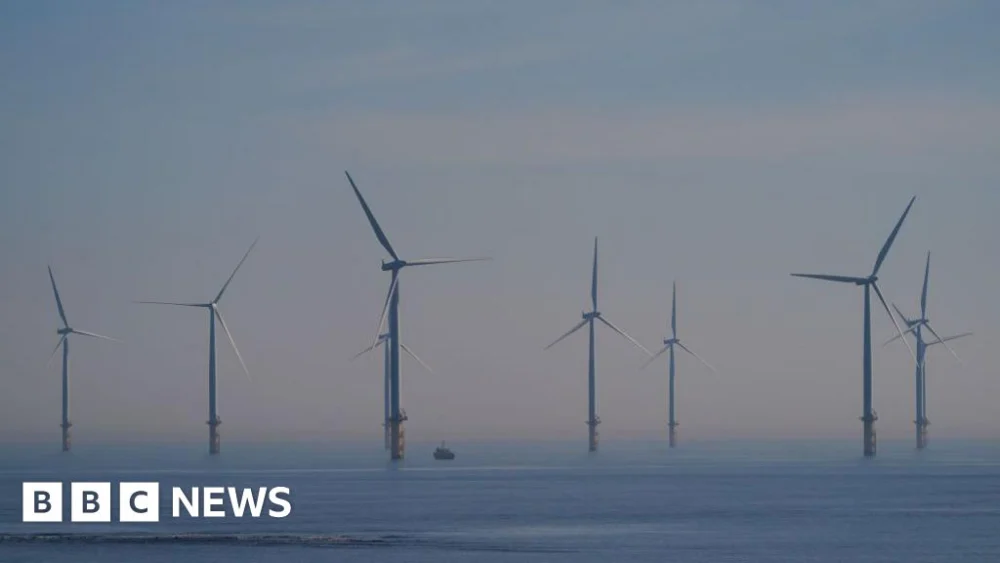
The United Kingdom has significantly advanced its strategic energy transition, securing an unprecedented volume of offshore wind power generation capacity through a recent allocation round, a critical step in its ambitious decarbonization agenda, though this expansion comes against a backdrop of increasing project development expenses. This landmark procurement represents a substantial commitment to harnessing the nation’s vast offshore wind resources, positioning the UK at the forefront of global renewable energy deployment, even as economic headwinds introduce complexities to the cost trajectory of such large-scale infrastructure projects.
The recent Contracts for Difference (CfD) allocation round, a cornerstone of the UK government’s renewable energy policy, has successfully awarded agreements for a substantial number of new offshore wind farms. These projects are geographically diverse, spanning key maritime zones off the coasts of England, Scotland, and Wales, underscoring a nationwide effort to expand green energy infrastructure. Among the most prominent beneficiaries of this allocation is the Berwick Bank project, situated in the North Sea, which is poised to become the largest planned offshore wind farm globally, a testament to the scale and ambition of the UK’s renewable energy drive. This strategic development is designed to significantly enhance the nation’s clean electricity production, aligning with broader climate objectives and energy security imperatives.
However, the celebratory announcement is tempered by cautious assessments from energy sector analysts. Despite the record-breaking volume of offshore wind capacity secured, concerns persist regarding the government’s ability to achieve its stringent 2030 target for "clean power" generation. This target mandates that at least 95% of Great Britain’s electricity be sourced from low-carbon technologies, encompassing renewables like wind and solar, alongside nuclear energy, within the next seven years. The sheer scale of the remaining infrastructure build-out, coupled with potential logistical and financial bottlenecks, presents a formidable challenge to this ambitious timeline. The government, in advocating for these wind projects, emphasizes their long-term economic benefits, asserting that they are inherently more cost-effective than developing new natural gas power stations and will ultimately lead to a sustained reduction in consumer energy bills. This stance, however, contrasts with historical political discourse, wherein segments of the Conservative party have previously raised apprehensions about the potential for climate-related targets to inflate energy costs for households and industries.
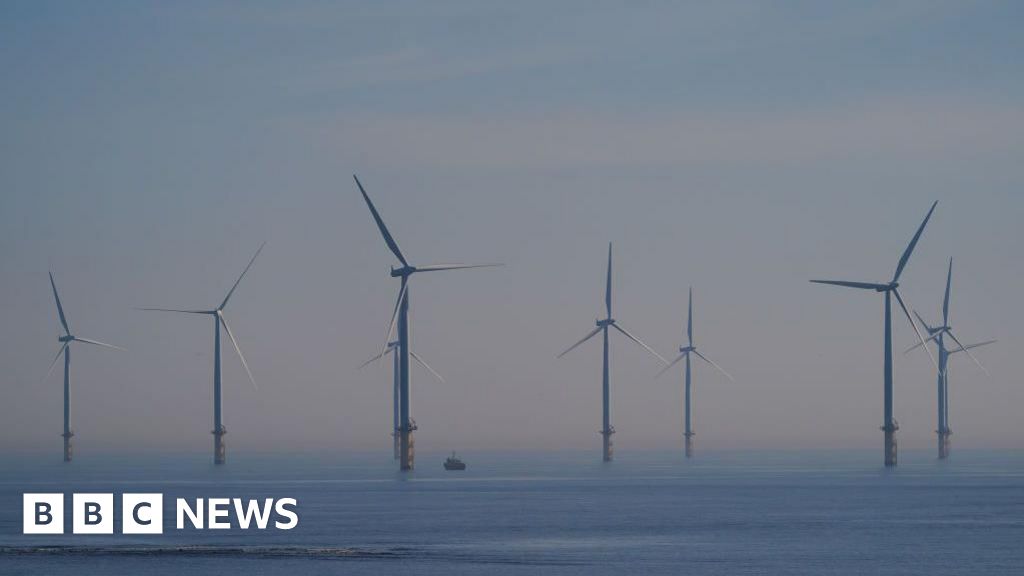
The specifics of the latest procurement highlight several cornerstone projects. Beyond the colossal Berwick Bank development in Scottish waters, other significant awards include the Dogger Bank South wind farm, located off the Yorkshire coast, and the Norfolk Vanguard project, positioned off East Anglia. These developments are integral to establishing major renewable energy hubs in the North Sea, leveraging the region’s exceptional wind resources. Notably, the Awel Y Mor project marks a significant milestone for Wales, being the first Welsh offshore wind initiative to secure a CfD contract in over a decade, signaling a renewed impetus for renewable energy development across all constituent nations of the United Kingdom. These projects collectively represent a monumental investment in future energy independence and environmental stewardship.
The mechanism underpinning these awards, the Contracts for Difference (CfD) scheme, is a reverse auction process designed to incentivize investment in low-carbon electricity generation. Under the CfD, successful bidders are guaranteed a pre-agreed "strike price" for the electricity they generate over a specified contract period, typically 15 years. If the wholesale market price for electricity falls below this strike price, the generator receives a top-up payment from a government-backed fund. Conversely, if the market price exceeds the strike price, the generator pays back the difference. This structure provides critical revenue stability for developers, significantly de-risking investments in large-scale, capital-intensive projects like offshore wind farms. The CfD framework has been widely credited with driving down the cost of offshore wind in previous allocation rounds, establishing the UK as a global leader in this technology. However, the current round has seen strike prices reflect a more challenging global economic environment, including inflationary pressures, increased supply chain costs, and higher interest rates, which inevitably influence the overall cost of new capacity. This upward adjustment in strike prices, while still competitive against fossil fuels, contributes to the "price rises" narrative, suggesting that securing this record capacity now comes at a higher nominal cost than in prior, more benign economic periods.
The strategic rationale behind this aggressive expansion of offshore wind capacity is multifaceted. Fundamentally, it is central to the UK’s legally binding commitment to achieve Net Zero carbon emissions by 2050. By displacing fossil fuel-based electricity generation, offshore wind directly contributes to reducing greenhouse gas emissions, mitigating the impacts of climate change. Furthermore, bolstering domestic renewable energy production enhances national energy security, reducing reliance on volatile international energy markets and imported fossil fuels. The geopolitical instability witnessed in recent years has underscored the critical importance of self-sufficiency in energy supply, making indigenous renewable sources particularly attractive. The government’s emphasis on wind projects being "cheaper than new gas power stations" refers to the Levelized Cost of Energy (LCOE) over the operational lifetime of the assets, indicating that while upfront capital costs are substantial, the fuel-free nature of wind generation makes it economically superior in the long run compared to gas-fired alternatives, which are subject to fluctuating commodity prices.
Despite the clear benefits, the path to achieving the 2030 clean power target is fraught with complexities. Analysts’ skepticism stems from several critical challenges. A primary concern is the substantial investment required in grid infrastructure upgrades. Integrating a massive influx of intermittent renewable energy necessitates a smarter, more resilient national grid capable of handling variable generation, transmitting power efficiently from remote offshore locations to demand centers, and accommodating new storage solutions. Delays in planning permissions and grid connection approvals can significantly impede project timelines. Furthermore, the global supply chain for offshore wind components, from turbines to specialized vessels, is experiencing unprecedented demand and inflationary pressures. Securing sufficient manufacturing capacity, raw materials, and skilled labor represents a significant logistical hurdle. The UK’s ability to develop a robust domestic supply chain and training infrastructure will be crucial in mitigating these risks and maximizing the economic benefits of this investment.
The intermittency of wind power also remains a key operational challenge. While offshore wind offers higher capacity factors than onshore wind, its output fluctuates with weather patterns. This necessitates significant investment in complementary technologies such as large-scale battery storage, flexible gas-fired power plants as backup, interconnector cables to neighboring countries, and potentially nascent technologies like green hydrogen production, which can convert surplus renewable electricity into storable fuel. Developing these integrated energy solutions at scale and within the ambitious timeframe is a monumental undertaking that requires coordinated policy, technological innovation, and substantial capital deployment.
Looking ahead, the UK’s offshore wind sector is poised for continued innovation. Future developments are expected to focus on larger, more efficient turbines, pushing the boundaries of engineering to capture even greater energy yields. The emergence of floating offshore wind technology, which allows turbines to be deployed in deeper waters further from shore where wind resources are often stronger and less constrained by fixed-bottom foundations, holds immense potential. The UK is actively investing in and piloting these technologies, aiming to maintain its leadership in this frontier area. The strategic importance of establishing robust port infrastructure, manufacturing facilities, and a highly skilled workforce cannot be overstated, as these elements are vital for sustaining the industry’s growth and ensuring the long-term economic benefits materialize.
In conclusion, the United Kingdom’s recent procurement of record offshore wind capacity marks a pivotal moment in its journey towards a decarbonized energy future. It underscores a clear commitment to climate action and energy security, leveraging a natural resource in which the nation holds a distinct advantage. While the long-term economic and environmental benefits are compelling, the immediate challenges, including rising development costs, the monumental task of grid modernization, and the complexities of supply chain management, necessitate sustained political will, innovative technological solutions, and agile policy responses. The success of the 2030 clean power target hinges on the effective navigation of these complexities, transforming an ambitious vision into a tangible reality that delivers reliable, affordable, and clean energy for generations to come. The delicate balance between accelerating deployment and managing the financial implications will define the next phase of the UK’s energy transition.




 Aura Kasih