
 Lisa Mariana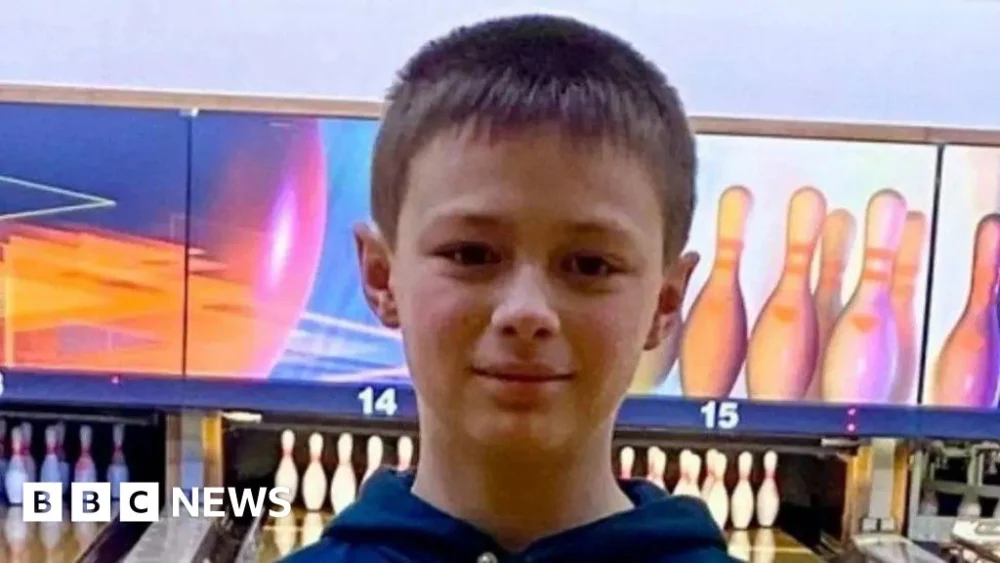
In a development that has sent shockwaves across Birmingham and reignited critical discussions surrounding juvenile violence, a 15-year-old male has formally entered a plea of guilty to the brutal murder of 12-year-old Leo Ross. The devastating incident, which saw young Leo fatally stabbed during his routine walk home from school, has brought into stark relief the escalating challenges posed by youth crime and the profound vulnerability of innocent lives caught in its wake. The admission of guilt at Birmingham Crown Court marks a pivotal moment in a case that has profoundly impacted a community grappling with an unthinkable loss, simultaneously exposing a disturbing pattern of aggression from the juvenile perpetrator towards other vulnerable individuals.
The harrowing events unfolded on January 21, 2025, as Leo Ross, a vibrant and cherished 12-year-old, was making his customary journey home from his school situated in the Yardley Wood area of Birmingham. His path, a seemingly innocuous 10-minute walk, led him through the serene Shire Country Park, alongside the tranquil River Cole. It was within this ostensibly peaceful setting that Leo’s life was tragically cut short. He sustained a fatal stab wound to the stomach, an act of violence that has left an indelible scar on the collective consciousness of the West Midlands. Members of the public, discovering the grievously injured boy on a riverside path, immediately rendered assistance and alerted emergency services. Despite their swift actions and the subsequent efforts of medical professionals, Leo succumbed to his injuries in hospital, marking a devastating conclusion to a life barely begun. His untimely death is understood to represent a tragic milestone, positioning him as potentially the youngest victim of knife crime ever recorded within the West Midlands region, a grim statistic that underscores the deepening crisis of youth violence.
The legal proceedings have cast a harsh light not only on the murder itself but also on the disturbing broader conduct of the defendant, who remains unnamed due to legal restrictions pertaining to minors. The 15-year-old, who was merely 14 at the time of the fatal attack on Leo, has also confessed to a series of other grave offences. These include two counts of causing grievous bodily harm with intent and one count of assault occasioning actual bodily harm, perpetrated against three elderly women. These additional admissions reveal a deeply troubling pattern of indiscriminate violence targeting vulnerable members of society, indicating a perpetrator whose actions extended beyond a singular, isolated incident. The Crown Prosecution Service (CPS) detailed how these elderly victims were subjected to physical assaults, including being pushed to the ground and struck, resulting in serious injuries. This confluence of violent acts against both a child and elderly individuals paints a chilling portrait of a young offender exhibiting profound aggression and a discernible lack of empathy.
The investigative efforts by West Midlands Police were meticulous and ultimately successful in piecing together the events surrounding Leo’s murder. Detectives recovered the weapon used in the stabbing, which had been discarded into a nearby river, a common tactic employed by perpetrators attempting to conceal evidence. Perhaps most chillingly, the investigation revealed the defendant’s audacious attempt to mislead law enforcement at the very scene of the crime. He lingered, engaging with officers, and fabricated a story claiming he had merely stumbled upon Leo lying fatally wounded beside the River Cole. This calculated deception highlights a disturbing level of cunning and a brazen disregard for the truth, further complicating the psychological assessment of a juvenile capable of such acts.
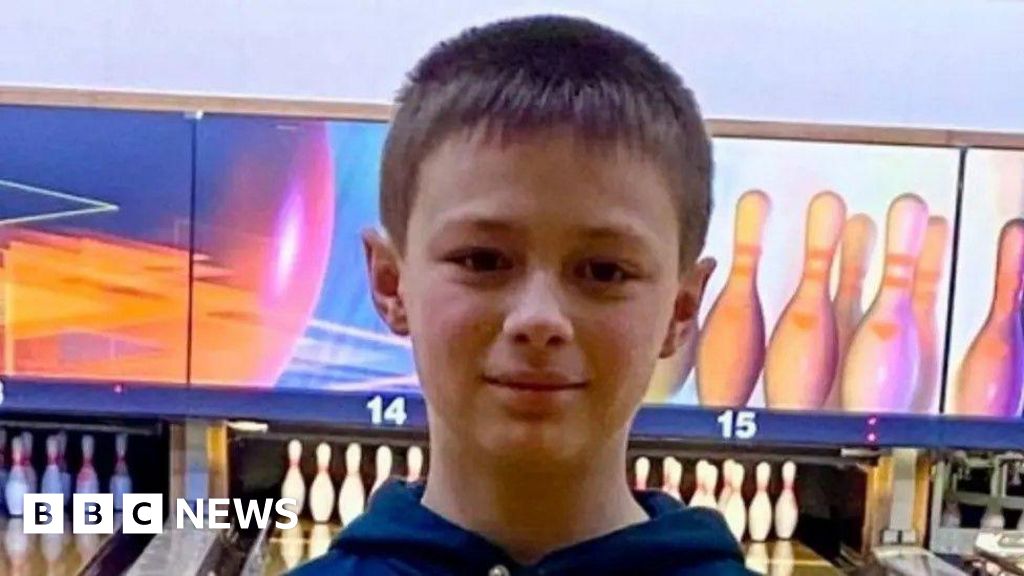
Leo’s family, in a poignant and heart-wrenching tribute, described him as "funny, sweet and had not one aggressive bone in his body." This portrayal stands in stark contrast to the brutal reality of his death, amplifying the sense of injustice and profound sorrow that permeates the community. Their words underscore the innocence of the victim and the devastating impact his loss has had on those closest to him, serving as a powerful reminder of the human cost behind crime statistics.
The tragic case of Leo Ross resonates far beyond the confines of Birmingham, serving as a stark microcosm of a national crisis concerning knife crime, particularly among young people. Across the United Kingdom, there has been a persistent and alarming upward trend in incidents involving knives, with an increasing number of teenagers and even pre-teens becoming both perpetrators and victims. This phenomenon is multifaceted, rooted in complex socio-economic factors, including deprivation, limited educational and employment opportunities, and the pervasive influence of social media in glamorising violence or facilitating disputes that escalate rapidly. Gang affiliation, peer pressure, and a distorted sense of status often contribute to young individuals carrying knives, ostensibly for self-protection, yet invariably leading to tragic outcomes.
From a sociological perspective, the escalation of youth violence signals a profound breakdown in preventative mechanisms. Schools, community organisations, and local authorities often find themselves under-resourced in their efforts to provide meaningful interventions and diversionary programs for at-risk youth. The absence of robust mental health support services for young people, coupled with the challenges faced by families in disadvantaged areas, creates a fertile ground for disaffection and a propensity towards criminal activity. The case of the defendant, engaging in acts of violence against multiple vulnerable individuals, points to a potential deeper psychological disturbance or a pattern of behaviour that escalated unchecked. Understanding the trajectory that leads a child to commit such heinous acts is crucial for developing effective prevention strategies that address root causes rather than merely reacting to symptoms.
The judicial response to juvenile offenders, particularly in cases of murder, is necessarily complex. While the defendant will face a life sentence, the specifics differ from adult sentencing, with a minimum term to be set by the court, after which parole may be considered. This framework balances the need for justice for the victim and society with the recognition of the offender’s youth and potential for rehabilitation. However, public sentiment often grapples with this balance, particularly in cases as egregious as Leo Ross’s murder, where the victim was so young and innocent. The community’s demand for accountability is strong, yet the broader societal challenge lies in addressing the systemic issues that produce such young perpetrators.
The repercussions of this tragedy extend deeply into the community of Yardley Wood and wider Birmingham. Such incidents erode public trust, foster fear, and underscore the fragility of safety, even in seemingly benign public spaces. For parents, the thought of a child being attacked on their way home from school is a visceral nightmare, compelling a re-evaluation of perceived safety. Beyond the immediate grief, there is a collective demand for greater vigilance, more effective policing, and enhanced community support networks designed to protect the vulnerable and steer young people away from a path of violence.
Looking forward, the case of Leo Ross must serve as a potent catalyst for renewed commitment to tackling knife crime and youth violence. This necessitates a multi-agency approach, integrating law enforcement with social services, educational institutions, and healthcare providers. Investment in early intervention programs, youth mentorship schemes, and mental health support for adolescents is paramount. Furthermore, community engagement, fostering environments where young people feel safe, heard, and have constructive outlets for their energies, is crucial. The digital sphere also demands attention, with efforts to counter the spread of violent content and to educate young people about the real-world consequences of online disputes. Only through a comprehensive, sustained, and collaborative effort can society hope to prevent such devastating tragedies from recurring and protect the most vulnerable among us from the scourge of youth violence. The memory of Leo Ross, a "funny, sweet" boy whose life was cruelly extinguished, should galvanize all stakeholders into decisive action to ensure no other family endures such an unimaginable loss.


 Aura Kasih


 Ridwan Kamil