Aura Kasih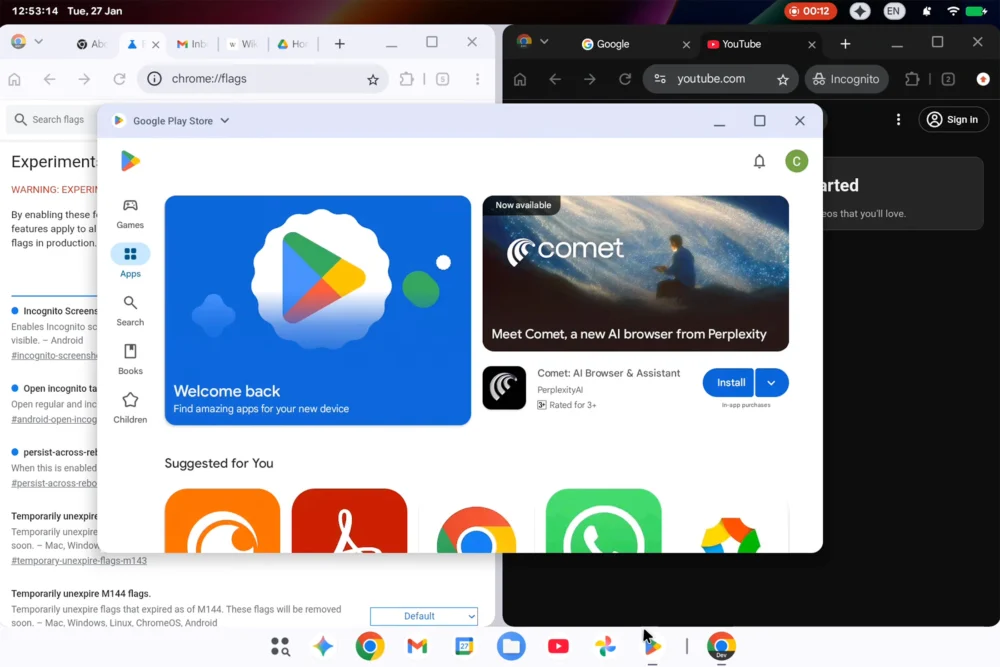
A recent data leak has provided the first substantive glimpse into Google’s ambitious project to unify its operating systems, showcasing a compelling fusion of Android and ChromeOS designed to bring the mobile ecosystem to the desktop.
The digital landscape is abuzz with revelations surrounding Google’s long-rumored endeavor to bridge the gap between its ubiquitous Android mobile operating system and the capabilities of personal computers. While details have been scarce, a significant leak originating from Google’s own bug tracking system has offered an unprecedented, albeit accidental, preview of this transformative platform in action. The leaked footage, initially part of a bug report concerning Chrome Incognito tabs and subsequently restricted by Google, has been widely disseminated, offering a tantalizing look at what could be the next evolution of computing for millions. This development signals a pivotal moment in Google’s strategy to leverage the vast Android app ecosystem and its user-friendly interface within the more powerful and versatile environment of a desktop or laptop computer.
The leaked material originates from a Google Issue Tracker entry, a platform typically reserved for internal development and bug reporting. The presence of screen recordings within this report, specifically referencing a device running a software version identified as "ALOS" – widely believed to be the codename for this integrated operating system – indicates that testing is well underway. The recordings were reportedly captured on an HP Elite Dragonfly 13.5 Chromebook, a device that has historically been a testing ground for ChromeOS innovations. This particular model’s specifications likely provide a suitable environment for evaluating the performance and user experience of running Android applications and interfaces on a more robust hardware platform. The existence of such a report underscores the internal progress Google has made, even as the public remains largely unaware of the project’s specifics.
Further corroboration of the leaked footage’s authenticity and significance comes from its appearance on platforms like YouTube, shared by reputable technology news outlets. These videos explicitly label the operating system as "Android 16," with a build number that aligns with the "ALOS" designation found in the bug report. This suggests that the development is not merely a conceptual exploration but a tangible implementation, potentially running a future iteration of Android atop a modified ChromeOS foundation. The convergence of these two powerful operating systems has been a subject of speculation for years, driven by Google’s desire to capitalize on the immense popularity and extensive app library of Android, while simultaneously offering the enhanced productivity and multitasking features expected of a desktop operating system.
The visual evidence from the leaked recordings paints a picture of a thoughtfully integrated user experience, a harmonious blend of familiar elements from both Android and ChromeOS. The taskbar, a central component of any desktop operating system, appears to adopt a hybrid design. It retains the modern aesthetic of ChromeOS but strategically repositions the start button to the center, a characteristic hallmark of the Android interface. This subtle yet significant alteration hints at an operating system designed to feel intuitive to both existing Android users and those accustomed to traditional desktop paradigms. Above the taskbar, a status bar mirrors the top-down layout of Android, featuring recognizable icons for critical system information such as battery life and network connectivity. This visual continuity is crucial for minimizing the learning curve and ensuring a seamless transition for users.

Beyond the superficial interface elements, the leaked footage offers glimpses into more functional aspects of this new platform. The inclusion of the Google Play Store within the recordings is a clear indicator of Google’s intent to grant users unfettered access to the vast universe of Android applications. This is arguably the most compelling aspect of this initiative, as it promises to unlock a new realm of possibilities for PC users, allowing them to seamlessly run mobile games, productivity apps, and social media platforms directly on their larger screens with the benefits of keyboard and mouse input. Furthermore, the brief demonstration of split-screen multitasking capabilities suggests that the platform is being engineered to support efficient workflows, enabling users to juggle multiple applications simultaneously, a crucial feature for any modern computing environment. While these initial peeks are not exhaustive, they provide concrete evidence of the platform’s core functionalities and its potential to redefine user interaction.
The strategic implications of Google’s foray into an Android-powered PC ecosystem are profound and far-reaching. For years, the lines between mobile and desktop computing have blurred, with users increasingly relying on their smartphones for tasks previously confined to laptops and desktops. By bringing the rich Android application ecosystem to PCs, Google aims to capture a larger share of the computing market, particularly in sectors where ChromeOS has already established a strong presence, such as education and budget-conscious consumer segments. The ability to run Android apps natively on a desktop environment could significantly enhance productivity for professionals, offer new entertainment options for consumers, and democratize access to a wider range of software for users across diverse computing needs.
This initiative also represents a significant shift in Google’s operating system strategy. While ChromeOS has carved out a niche, its reliance on web applications and a limited selection of Android apps has been a point of contention for some users seeking broader software compatibility. The integration of a more robust Android experience addresses this limitation directly, potentially creating a more unified and versatile platform. This move could also be seen as a strategic response to evolving hardware trends, including the rise of convertible devices and touchscreen-enabled laptops that benefit from an interface optimized for both touch and traditional input methods.
The development of this Android for PC platform, codenamed Aluminium OS, is indicative of a broader trend in the tech industry towards operating system convergence. As hardware capabilities continue to advance, and as user expectations evolve, the demand for operating systems that can seamlessly adapt to various form factors and use cases will only increase. Google’s approach, by leveraging the established strengths of both Android and ChromeOS, appears to be a calculated effort to create a future-proof computing experience that caters to a wide spectrum of user needs. The success of this endeavor will hinge on its ability to deliver a polished, stable, and performant user experience, alongside seamless integration of the Android app ecosystem.
Looking ahead, the implications of this leaked glimpse are substantial. It suggests that Google is not only experimenting with but actively developing a platform that could significantly alter the competitive landscape of personal computing. The ability to run virtually any Android application on a desktop, combined with the robust features of a desktop operating system, presents a compelling proposition for consumers and businesses alike. As Google continues to refine this technology, the anticipation for its official unveiling will undoubtedly grow, marking a new chapter in the evolution of personal computing and the pervasive influence of the Android ecosystem. The company’s commitment to this project, as evidenced by the ongoing development and testing, signals a strong belief in its potential to redefine how we interact with our devices and access digital content and services. The future of computing may well be a harmonious convergence, and Google appears poised to lead that charge.




 Lisa Mariana
 Ayu Aulia