Ridwan Kamil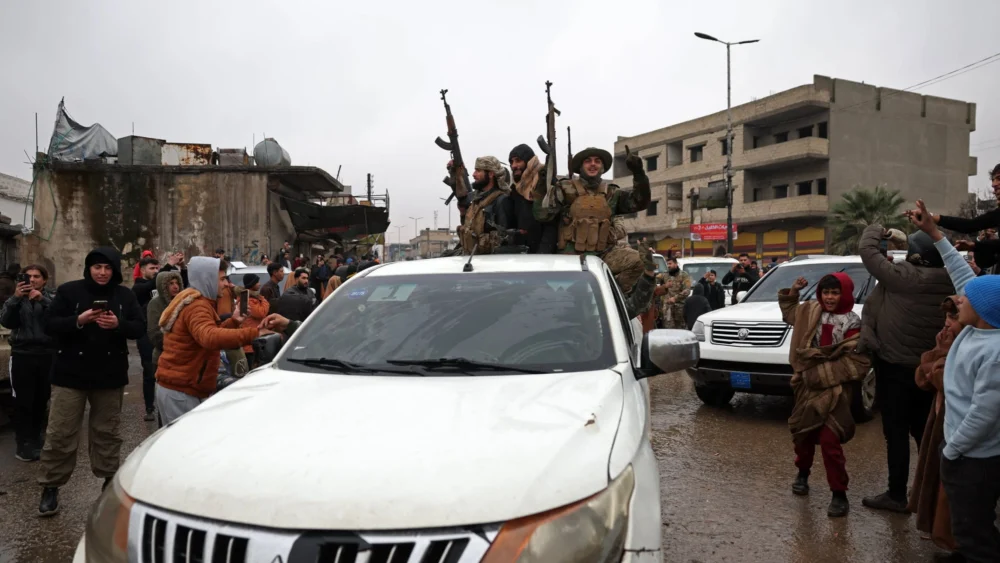
Syrian government forces have successfully regained control over crucial territories previously held by the Kurdish-led Syrian Democratic Forces (SDF), marking a significant development in the protracted Syrian conflict and potentially reshaping regional power dynamics.
The recent advances by the Syrian Arab Army (SAA), supported by allied militias and Russian airpower, represent a strategic victory for Damascus, which has been steadily consolidating its authority across much of the country after years of civil war. The captured areas, while not explicitly detailed in the initial reports, are understood to hold significant strategic importance, potentially including key infrastructure, transportation routes, or resource-rich zones that could bolster the government’s economic and military standing. This territorial gain underscores the ongoing evolution of the Syrian conflict, moving beyond a primary focus on defeating ISIS to a renewed struggle over territorial control and influence among various state and non-state actors.
For years, the SDF, largely comprised of Kurdish fighters but including Arab and other minority groups, has carved out a de facto autonomous region in northeastern Syria, known as Rojava. This self-governing entity emerged during the chaos of the Syrian civil war and became a crucial U.S. partner in the fight against the Islamic State (ISIS). The SDF’s territorial control, stretching across a significant portion of the oil-rich north and east of Syria, has been a persistent challenge to President Bashar al-Assad’s claim of sovereignty over the entire nation.
The Syrian government’s recent operations indicate a renewed determination to reassert central authority over these historically contested regions. The SAA’s military capabilities, bolstered by its allies and a more stable strategic environment compared to earlier years of the conflict, have allowed for more assertive territorial reclamation. This push is not merely about reclaiming land; it is intrinsically linked to Damascus’s broader objectives of national reconstruction, economic recovery, and solidifying its international standing. Control over these territories means access to vital natural resources, particularly oil and gas fields, which are essential for rebuilding the war-ravaged economy.
The implications of these territorial shifts are multifaceted. For the Syrian government, it signifies a strengthening of its position on the ground, enabling it to negotiate from a more advantageous stance in any future political settlements. It also allows for the gradual integration of these areas back into the national administrative and economic framework, albeit likely facing significant challenges in terms of local populations and ongoing security concerns.
For the Kurdish population and the SDF, this represents a significant setback. The dream of a fully autonomous or independent region faces new obstacles, and the future of Kurdish self-governance in Syria is now more uncertain. While the SDF has demonstrated considerable resilience and military capability, its reliance on international patrons, particularly the United States, has always been a strategic vulnerability. The fluctuating geopolitical landscape and the shifting priorities of global powers can have a profound impact on the SDF’s ability to maintain its territorial integrity and political autonomy.
The involvement of external actors in Syria continues to complicate the situation. Russia, a staunch ally of the Assad regime, has provided crucial military and diplomatic support, enabling Damascus to regain significant territory. Meanwhile, the United States’ role in supporting the SDF, while instrumental in defeating ISIS, has been subject to policy shifts and debates, creating an environment of uncertainty for its partners on the ground. Turkey, a NATO ally with its own complex relationship with Kurdish groups, also maintains a significant military presence in northern Syria, adding another layer of geopolitical complexity to the territorial control in the region.
The international community’s response to these territorial shifts will be critical. While the Syrian government’s success in reclaiming territory is a de facto reality on the ground, its legitimacy and the long-term stability of these areas will depend on how effectively Damascus can govern and integrate these populations. The potential for renewed conflict, displacement, and humanitarian crises remains a significant concern.
Moreover, the economic dimension cannot be overstated. The northeastern regions are vital for Syria’s energy sector. Regaining control of these resources is a key objective for the Syrian government to fuel its reconstruction efforts and reduce its reliance on external economic aid. However, the operational capacity and sustainability of these fields under government control will be a major challenge, especially in the face of international sanctions and the need for significant investment.
The future outlook for these reclaimed territories hinges on several factors. Firstly, the Syrian government’s ability to establish effective governance, ensure security, and foster reconciliation with local populations will be paramount. Secondly, the ongoing geopolitical maneuvering of regional and international powers will continue to influence the strategic landscape. The extent to which external actors support or oppose the Syrian government’s consolidation of control will have a direct bearing on the stability of these areas.
The conflict in Syria has evolved from a largely internal uprising to a complex proxy war involving numerous state and non-state actors. The recent territorial gains by the Syrian government against the SDF are not an isolated event but rather a manifestation of this evolving dynamic. It signals a phase where the focus is increasingly shifting towards the consolidation of power and the redefinition of state sovereignty, even as the underlying issues of political transition, humanitarian aid, and regional stability remain unresolved. The long-term consequences of these territorial reconfigurations will unfold in the coming months and years, impacting the lives of millions of Syrians and the broader geopolitical balance in the Middle East.
The strategic importance of the seized areas extends beyond their immediate military value. These regions often serve as crucial conduits for trade and economic activity, and their reintegration into the national economy could significantly impact Syria’s recovery prospects. The government’s ability to restore infrastructure, provide essential services, and create economic opportunities in these areas will be a critical determinant of their long-term stability and the well-being of their inhabitants.
Furthermore, the demographic composition of these territories and the complex ethnic and sectarian dynamics within them present significant challenges. The Syrian government will need to navigate these sensitivities carefully to avoid exacerbating existing tensions or creating new ones. Inclusive governance and a commitment to the rights of all communities will be essential for building a cohesive and stable future.
The international community’s role in this evolving situation remains ambiguous. While some powers have historically supported the SDF, the shifting strategic priorities and the Syrian government’s resurgent strength may lead to a recalibration of foreign policies. The potential for increased diplomatic engagement with Damascus, or conversely, continued isolation, will depend on a confluence of factors, including the geopolitical interests of major powers and the human rights record of the Syrian government.
The narrative of the Syrian conflict has been one of constant flux, with territorial control shifting among various factions. The recent advances by the Syrian Arab Army represent a significant chapter in this ongoing saga. They underscore the resilience of the Assad regime and its ability to leverage its alliances and military capabilities to regain lost ground. However, the challenges ahead are immense, and the path towards lasting peace and stability in Syria remains long and arduous. The successful integration of these recaptured territories, the rebuilding of shattered infrastructure, and the reconciliation of a deeply divided society will require sustained effort, international cooperation, and a commitment to inclusive governance. The ultimate outcome will have profound implications not only for Syria but for the wider region as well.
The political ramifications of these territorial shifts are also significant. They could empower the Syrian government to exert greater influence in any future peace negotiations, potentially altering the balance of power between Damascus and the opposition. The international community’s recognition of these gains, or its continued insistence on a broader political transition, will shape the trajectory of these negotiations.
The humanitarian dimension of these territorial changes cannot be overlooked. The displacement of populations, the need for humanitarian aid, and the protection of civilians in conflict-affected areas remain critical concerns. The international organizations will need to adapt their strategies to ensure that aid reaches those in need, regardless of who controls the territory.
In conclusion, the Syrian government’s successful reclamation of key areas from Kurdish forces marks a pivotal moment in the Syrian conflict. It signifies a consolidation of power for Damascus and a potential recalibration of regional dynamics. The long-term implications of these territorial gains will depend on the Syrian government’s ability to establish effective governance, address the needs of its population, and navigate the complex geopolitical landscape. The path to a stable and peaceful Syria remains fraught with challenges, but these recent developments offer a glimpse into a potentially altered future for the war-torn nation. The world will be watching closely as the consequences of these strategic shifts continue to unfold.



 Lisa Mariana
 Aura Kasih

 Ayu Aulia