Ayu Aulia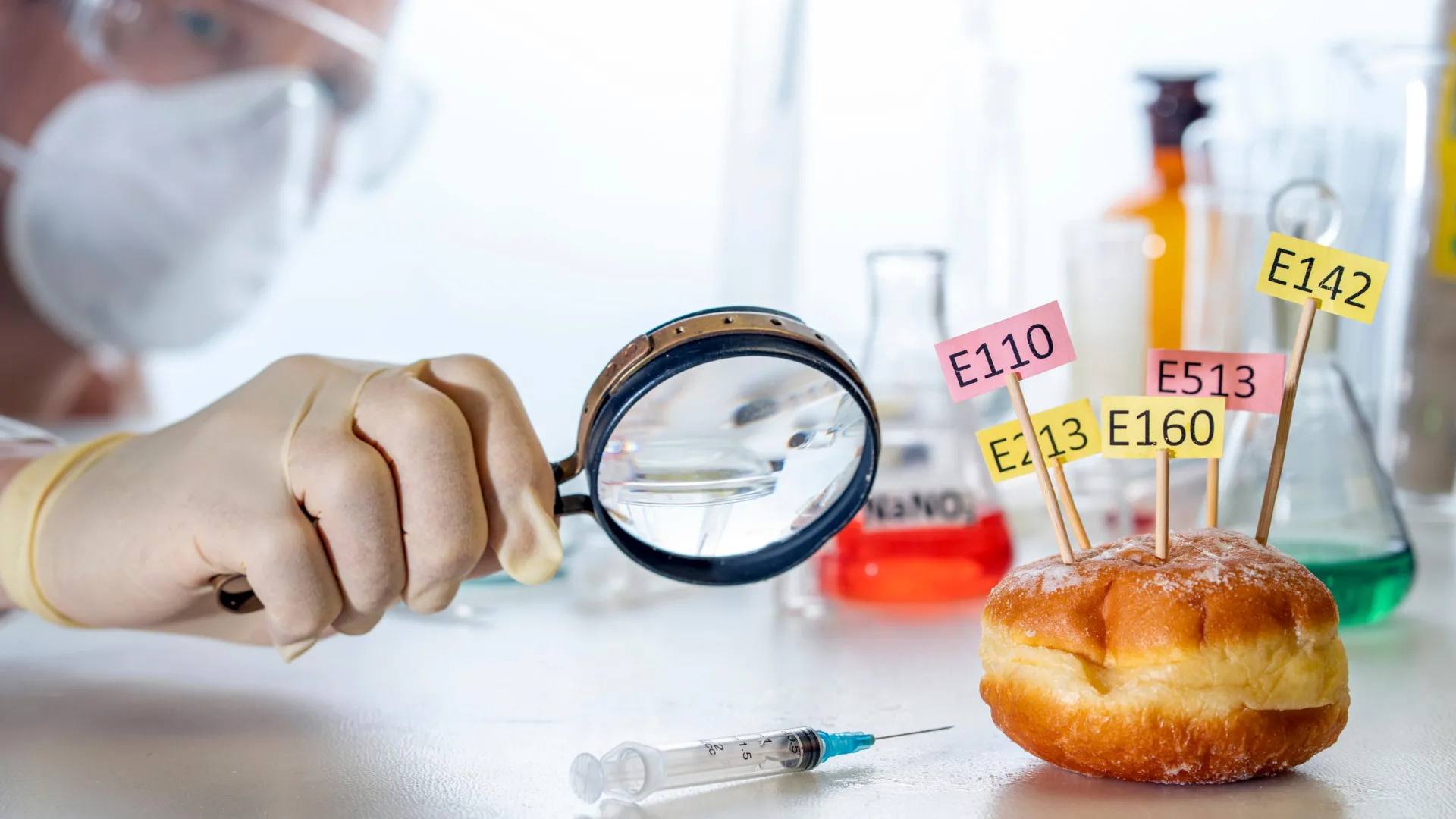
A comprehensive, long-term study originating from France has revealed a potential correlation between heightened consumption of certain widely utilized food preservatives and a modestly increased risk of developing cancer, signaling a critical juncture for regulatory bodies to scrutinize existing food additive guidelines. These substances, integral to the industrial food supply chain, are deliberately incorporated into a vast array of processed foods and beverages to inhibit spoilage and extend product viability. While investigators underscore the necessity for further research to definitively elucidate the causal pathways, the preliminary findings introduce substantial questions regarding prevailing safety protocols and advocate for a meticulous re-examination of established standards to safeguard public health more effectively.
The Pervasiveness and Purpose of Food Preservatives
Food preservatives constitute a cornerstone of modern food manufacturing, serving the crucial function of maintaining product quality, safety, and extending shelf life. Their widespread application is a direct response to the demands of global food distribution, consumer convenience, and the imperative to minimize food waste. From preventing microbial growth to inhibiting undesirable chemical reactions like oxidation and enzymatic browning, these additives play a vital role in ensuring that food products remain palatable and safe over extended periods, often across vast geographical distances. Historically, preservation methods relied on natural techniques such as salting, smoking, and drying. However, the industrial revolution and subsequent globalization of food systems necessitated the development and adoption of synthetic and purified natural chemical preservatives, allowing for mass production, storage, and distribution on an unprecedented scale. This technological advancement has undeniably contributed to food security and accessibility for billions worldwide, by reducing spoilage and stabilizing food supplies.
Underlying Scientific Scrutiny: From Lab to Longitudinal Study
The scientific community has long harbored an interest in the potential long-term health implications of food additives. Initial laboratory investigations, conducted using in vitro cell cultures and animal models, have demonstrated that certain preservatives possess genotoxic or cytotoxic properties, meaning they can damage cellular structures, including DNA. These preliminary findings provided a theoretical basis for concern but lacked direct evidence of adverse effects in human populations under real-world dietary exposure conditions. The challenge lay in translating these mechanistic insights into epidemiological evidence that could inform public health policy.
To bridge this gap, a large-scale observational study was initiated, meticulously analyzing extensive dietary and health data accumulated over more than a decade. The primary objective was to ascertain whether a discernible association existed between chronic exposure to specific preservative food additives and the incidence of cancer in adult cohorts. This type of research, known as a prospective cohort study, is uniquely positioned to observe patterns and associations in large populations over time, offering valuable insights into complex health determinants.
Rigorous Methodology of a Landmark Investigation
The study in question leveraged the robust data infrastructure of the NutriNet-Santé cohort, a prominent French nutritional epidemiology program. It encompassed 105,260 participants, all aged 15 years or older at the study’s inception, with an average age of 42 years and a demographic skew towards women (79%). Critically, all individuals were confirmed to be cancer-free at the commencement of the observation period, allowing researchers to track new cancer diagnoses as outcomes.
A cornerstone of the study’s methodological rigor was the reliance on detailed, brand-specific 24-hour dietary records. Participants regularly completed these records over an average follow-up duration of 7.5 years. This granular approach to dietary assessment is paramount in nutritional epidemiology, as it enables a more precise estimation of exposure to specific food additives compared to more generalized dietary questionnaires. By linking these dietary inputs to comprehensive food composition databases, researchers could quantify the intake of various preservatives with a high degree of accuracy. Subsequent cancer diagnoses were systematically identified and validated through a combination of health questionnaires, official medical records, and national death registries up to December 31, 2023, ensuring robust and verifiable outcome data.
Diverse Preservatives Under the Microscope
The investigative scope encompassed 17 distinct individual preservatives, selected for their common use and diverse chemical properties. These included widely recognized compounds such as citric acid, lecithins, various sulfites, ascorbic acid, sodium nitrite, potassium sorbate, sodium erythorbate, sodium ascorbate, potassium metabisulfite, and potassium nitrate.
For analytical purposes, these preservatives were broadly categorized based on their primary mechanism of action. Non-antioxidant preservatives function predominantly by inhibiting microbial growth (e.g., bacteria, yeasts, molds) or by slowing down chemical reactions that lead to spoilage and degradation of food quality. Examples include many antimicrobial agents. In contrast, antioxidant preservatives primarily operate by delaying food deterioration through the reduction or limitation of oxygen exposure within packaging or the food matrix itself, thereby preventing oxidative rancidity or discoloration. This categorization allowed for a nuanced examination of how different chemical properties might correlate with health outcomes.
Unpacking the Cancer Incidence Data
Throughout the extensive follow-up period, 4,226 participants received a cancer diagnosis. The spectrum of cancers identified included 1,208 cases of breast cancer, 508 cases of prostate cancer, 352 cases of colorectal cancer, and 2,158 diagnoses classified as other types of cancer. This comprehensive dataset provided a robust foundation for statistical analysis.
Intriguingly, when the researchers initially aggregated all preservatives and analyzed their combined effect, no statistically significant overall link with cancer risk was detected. Furthermore, a substantial majority of the individual preservatives examined – specifically 11 out of the 17 compounds – also failed to demonstrate a clear association with increased cancer incidence. This finding suggests that the risk, if present, is not uniformly distributed across all food additives but is rather concentrated among specific chemical entities.
Identifying Specific Preservatives with Elevated Risk
A more granular analysis, however, revealed compelling associations between higher dietary intake of several specific preservatives and an elevated risk of cancer. Notably, many of these implicated compounds belonged to the non-antioxidant category. The preservatives identified in this association included potassium sorbate, potassium metabisulfite, sodium nitrite, potassium nitrate, and acetic acid.
Quantifying these associations, the study found that total sorbates, with potassium sorbate being a primary contributor, were linked to a 14% higher risk of overall cancer and a more pronounced 26% higher risk specifically for breast cancer. Similarly, total sulfites exhibited an association with a 12% increase in the overall cancer risk. Sodium nitrite, a preservative commonly associated with cured meats, was linked to a substantial 32% higher risk of prostate cancer. Potassium nitrate showed an association with a 13% increased risk of overall cancer and a 22% higher risk of breast cancer. Total acetates were implicated in a 15% higher risk of overall cancer and a 25% higher risk of breast cancer, with acetic acid alone correlating with a 12% increase in overall cancer risk. Among the antioxidant preservatives, only total erythorbates and sodium erythorbate demonstrated an association with a higher incidence of cancer, an unexpected finding given their antioxidant properties.
Exploring Potential Biological Mechanisms
The researchers posited several potential biological mechanisms that could underpin the observed associations, although they emphasize the need for extensive further research to confirm these pathways. Several of the preservatives linked to increased cancer risk are known to interact with or influence immune system function and inflammatory processes. Chronic inflammation is a well-established driver of cancer development and progression, capable of creating a microenvironment conducive to cell proliferation, angiogenesis, and metastasis. Alterations in immune surveillance, which is crucial for identifying and eliminating nascent cancer cells, could also contribute to increased susceptibility.
For instance, nitrates and nitrites, particularly sodium nitrite, are known precursors to N-nitroso compounds (nitrosamines) in the human body, especially under certain conditions such as high heat or acidic environments. Nitrosamines are potent carcinogens that can directly damage DNA, leading to mutations that initiate cancer. Sorbates and sulfites, while widely used, have also been investigated for their potential to induce oxidative stress or genotoxic effects in some experimental models, which could contribute to cellular damage and malignant transformation. The precise molecular pathways by which these additives might exert their carcinogenic effects remain an active area of investigation.
Acknowledging Methodological Limitations and Strengths
It is crucial to contextualize these findings within the inherent limitations of observational research. By its very nature, an observational study can identify correlations and associations but cannot definitively establish a direct cause-and-effect relationship. The authors openly acknowledge that unmeasured confounding factors—such as other dietary habits, lifestyle choices (e.g., smoking, physical activity, alcohol consumption), socioeconomic status, or genetic predispositions—could have influenced the observed outcomes. Despite rigorous statistical adjustments for known confounders, the possibility of residual confounding always persists in complex epidemiological studies.
Nevertheless, the study possesses significant strengths that lend considerable weight to its findings. Its large sample size, combined with the detailed and longitudinal nature of the dietary data collection, provides a robust statistical foundation. The long follow-up period, spanning over a decade, allows for the observation of chronic exposure effects, which are particularly relevant for cancer development. Furthermore, the findings resonate with existing experimental research that has independently suggested cancer-related effects for some of these compounds in laboratory settings, lending biological plausibility to the epidemiological associations.
Implications for Public Health and Regulatory Policy
The profound implications of this study extend to both consumer behavior and regulatory frameworks governing food additives. The researchers strongly advocate for food manufacturers to critically assess and, where feasible, reduce the reliance on unnecessary preservatives in their products. This call aligns with a growing consumer demand for "clean label" products, characterized by fewer, more recognizable ingredients. Concurrently, public health guidance is reinforced, encouraging consumers to prioritize freshly prepared, minimally processed foods as a cornerstone of a healthy diet.
A related editorial commentary highlighted the dual nature of food preservatives, acknowledging their undeniable benefits in extending shelf life and contributing to lower food costs, which can be particularly advantageous for lower-income populations. However, the editorial contends that the ubiquitous and often inadequately monitored use of these additives, coupled with the persistent uncertainties surrounding their long-term health effects, necessitates a more judicious and balanced regulatory approach.
The findings from this extensive cohort study could serve as a catalyst for regulatory bodies globally, including the European Food Safety Authority (EFSA) and the U.S. Food and Drug Administration (FDA), to revisit and potentially revise existing policies concerning food additives. Potential policy interventions could include the implementation of stricter limits on preservative usage, enhanced clarity and comprehensiveness in food labeling requirements, mandatory disclosure of additive content in a standardized format, and the establishment of international monitoring and harmonization efforts, akin to the successful initiatives undertaken for trans fatty acids and sodium content in foods.
In the interim, the editorial underscores that public health recommendations already provide actionable steps for individuals, such as reducing the intake of processed meats and alcohol, both of which are independently linked to increased cancer risk. These established guidelines offer immediate pathways for risk reduction, even as the scientific evidence concerning the carcinogenic potential of specific preservatives continues to evolve and solidify.
Future Directions in Research and Consumer Empowerment
The path forward necessitates a multi-pronged approach. Future research must delve deeper into the specific mechanisms by which these implicated preservatives exert their effects, potentially through advanced molecular and cellular studies. Furthermore, larger, diverse cohort studies across different populations are warranted to confirm these associations and explore potential ethnic or genetic susceptibilities. Intervention trials, though challenging to design for chronic exposure to additives, could provide more direct evidence of causality.
For consumers, an informed approach remains paramount. Understanding food labels, prioritizing whole and unprocessed foods, and seeking fresh alternatives whenever possible are practical strategies. The dialogue between consumers, industry, and regulators must continue to evolve, driven by scientific evidence, to ensure that the benefits of food preservation are balanced against the imperative of long-term public health. The journey towards a safer, more transparent food system is ongoing, with each new study contributing a vital piece to the complex puzzle of diet and disease.




 Aura Kasih
 Lisa Mariana