Ridwan Kamil
As the world hurtles towards 2026, a complex tapestry of interconnected risks and emergent challenges looms, demanding strategic foresight and robust preparedness from governments, corporations, and individuals alike. This analysis delves into eight critical tail risks – low-probability, high-impact events – that possess the potential to fundamentally reshape the global landscape, from geopolitical stability and economic paradigms to societal structures and technological trajectories. Understanding these potential disruptions is not merely an academic exercise but a crucial imperative for fostering resilience and charting a course through an increasingly uncertain future.
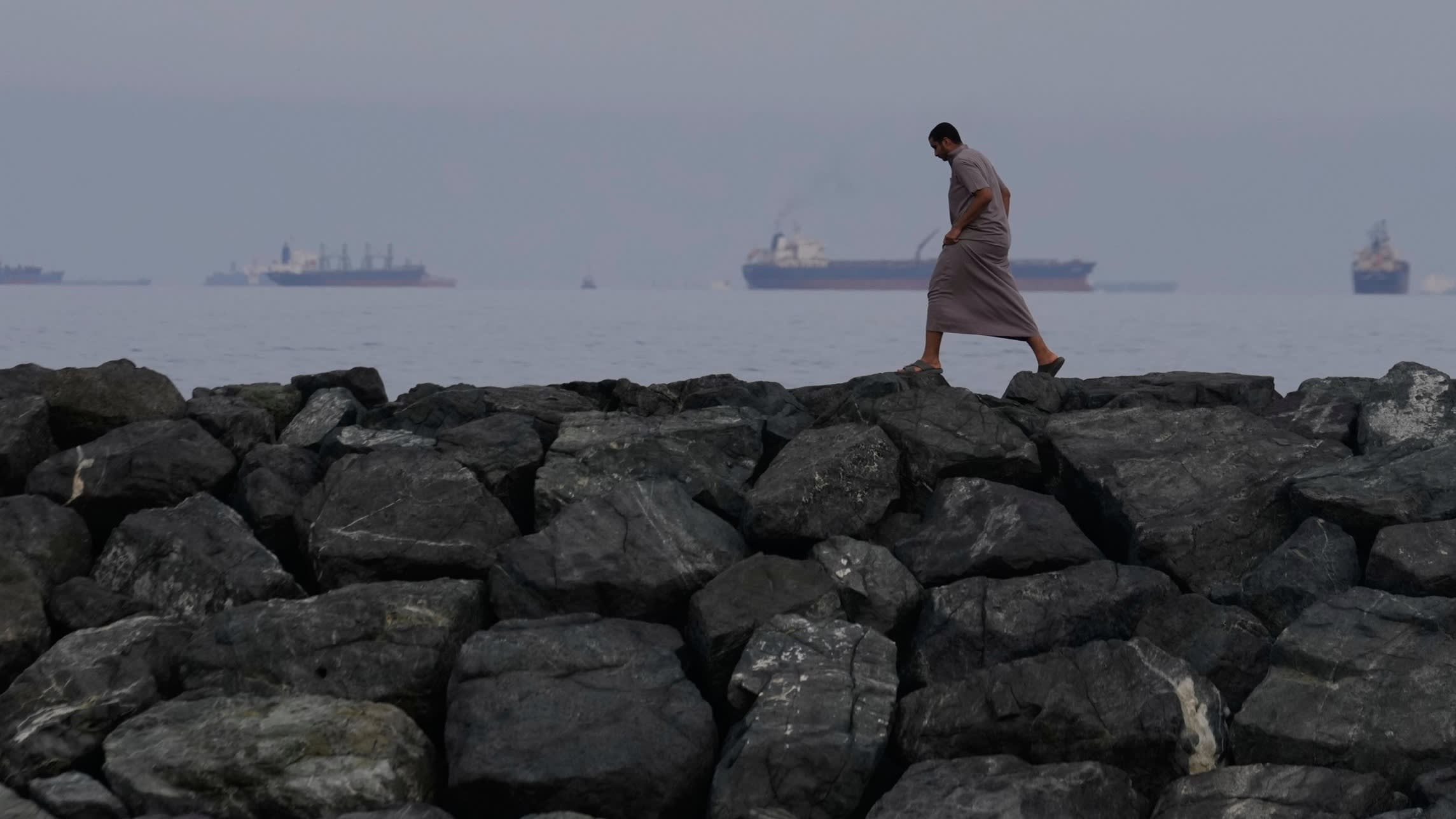
The first critical area of concern lies within the escalation of geopolitical friction and the fragmentation of global alliances. The existing international order, already under strain from shifting power dynamics and ideological divergences, faces the potential for significant destabilization. A key trigger could be a miscalculation or deliberate escalation in any of the numerous existing flashpoints, such as the Indo-Pacific region, Eastern Europe, or the Middle East. Such a conflict, even if initially contained, could cascade, drawing in major powers and disrupting global supply chains, energy markets, and international trade routes. The erosion of multilateral institutions, coupled with a resurgence of nationalistic impulses, further exacerbates this risk, making diplomatic resolutions more challenging and increasing the likelihood of prolonged regional instability or even broader conflict. This fragmentation could lead to a bifurcated world, with competing economic and technological blocs, hindering global cooperation on critical issues like climate change and pandemic preparedness.
Secondly, a profound and sustained economic shock stemming from an unmanaged debt crisis in a major economy or a widespread financial contagion poses a significant threat. Decades of accommodative monetary policy and accumulating sovereign and corporate debt have created vulnerabilities within the global financial system. A trigger event, such as a sovereign default in a large, interconnected economy, or a systemic failure in a shadow banking sector, could unleash a wave of deleveraging, asset price corrections, and credit crunches. The ripple effects would be felt globally, leading to a sharp contraction in economic activity, increased unemployment, and heightened social unrest. The interconnectedness of modern financial markets means that a crisis originating in one region can rapidly transmit to others, overwhelming regulatory capacity and challenging central banks’ ability to manage the fallout effectively. Furthermore, the diminishing fiscal space in many nations limits their capacity for stimulus, potentially prolonging and deepening any downturn.
The third tail risk revolves around the accelerating and unpredictable impacts of climate change, manifesting in extreme weather events and resource scarcity. While the long-term trajectory of climate change is well-established, the frequency and intensity of disruptive events are proving to be more volatile than many models predicted. A series of simultaneous, record-breaking natural disasters across multiple continents – such as widespread droughts, unprecedented flooding, or severe superstorms – could overwhelm national and international disaster response capabilities. This could lead to mass displacement of populations, severe disruptions to agricultural production, and critical shortages of essential resources like water and food. The ensuing humanitarian crises would place immense pressure on governments and international aid organizations, potentially leading to further geopolitical instability as nations grapple with internal pressures and competing demands for resources.
Fourth, the rapid and unchecked advancement of artificial intelligence (AI) leading to widespread societal disruption and ethical dilemmas presents a complex and multifaceted risk. While AI offers immense potential for progress, its unfettered development and deployment could outpace societal capacity to adapt. This could manifest in several ways: mass displacement of labor across sectors due to automation, exacerbating income inequality and social stratification; the proliferation of sophisticated disinformation campaigns that undermine democratic processes and public trust; and the development of autonomous weapons systems that lower the threshold for conflict and raise profound ethical questions about accountability. The speed of AI innovation also presents challenges for regulatory frameworks, which often lag behind technological capabilities, creating a vacuum where unintended consequences can emerge and proliferate.
The fifth significant tail risk is the emergence of a novel and highly virulent pandemic, potentially engineered or naturally occurring, with a high mortality rate and rapid transmissibility. Despite lessons learned from recent global health crises, the world remains vulnerable to novel pathogens. The interconnectedness of global travel and trade means that a highly contagious and lethal virus could spread across borders with unprecedented speed. A pandemic of this nature would not only strain healthcare systems to their breaking point but also trigger widespread economic paralysis, severe disruptions to essential services, and profound social upheaval. The potential for the virus to emerge from an unexpected source, or to possess characteristics that render existing countermeasures ineffective, amplifies this risk, demanding constant vigilance and investment in pandemic preparedness and rapid response mechanisms.
Sixth, a large-scale cyberattack targeting critical global infrastructure, such as energy grids, financial systems, or communication networks, causing cascading failures represents a potent threat. Modern societies are heavily reliant on interconnected digital infrastructure. A coordinated and sophisticated cyberattack, potentially orchestrated by state actors or sophisticated criminal organizations, could cripple essential services, leading to widespread chaos and economic damage. The interconnected nature of these systems means that an attack on one sector could trigger failures in others, creating a domino effect that is difficult to contain. The consequences could range from prolonged power outages and financial market paralysis to significant disruptions in supply chains and public safety. The increasing sophistication of cyber threats and the growing dependence on digital systems make this a persistent and evolving risk.
Seventh, a major and unforeseen disruption to global food security, driven by a combination of climate change, geopolitical conflict, and agricultural input shortages could trigger widespread famine and social unrest. The global food system is already facing considerable pressure from a growing population and environmental challenges. A confluence of factors – such as prolonged droughts impacting major breadbasket regions, the disruption of key fertilizer or seed supply chains due to geopolitical tensions, and the impact of extreme weather events on crop yields – could lead to a sharp and sustained increase in food prices and critical shortages in vulnerable regions. This would not only result in humanitarian crises but could also fuel political instability and mass migration, further straining international relations.
Finally, the eighth tail risk involves the breakdown of critical international cooperation mechanisms, leading to a failure to address existential threats such as nuclear proliferation or catastrophic climate tipping points. The effectiveness of international bodies and agreements in managing global challenges has been increasingly tested. A significant erosion of trust and a withdrawal from collaborative frameworks by key nations could paralyze global efforts to address shared threats. For instance, a resurgence of nuclear proliferation or the inability to collectively mitigate climate change beyond critical thresholds could have irreversible and catastrophic consequences for human civilization. The absence of effective global governance mechanisms in the face of these existential risks amplifies their potential impact, leaving humanity ill-equipped to navigate unprecedented challenges.
In conclusion, the year 2026 presents a landscape fraught with potential disruptions. These eight tail risks, while individually possessing the capacity for significant impact, are often interconnected, meaning that the occurrence of one could exacerbate others. Proactive risk assessment, strategic investment in resilience, and a renewed commitment to international cooperation are paramount. By understanding these potential challenges, policymakers, business leaders, and society at large can better prepare to navigate the uncertainties ahead and foster a more stable and sustainable global future.


 Lisa Mariana

 Aura Kasih