Ridwan Kamil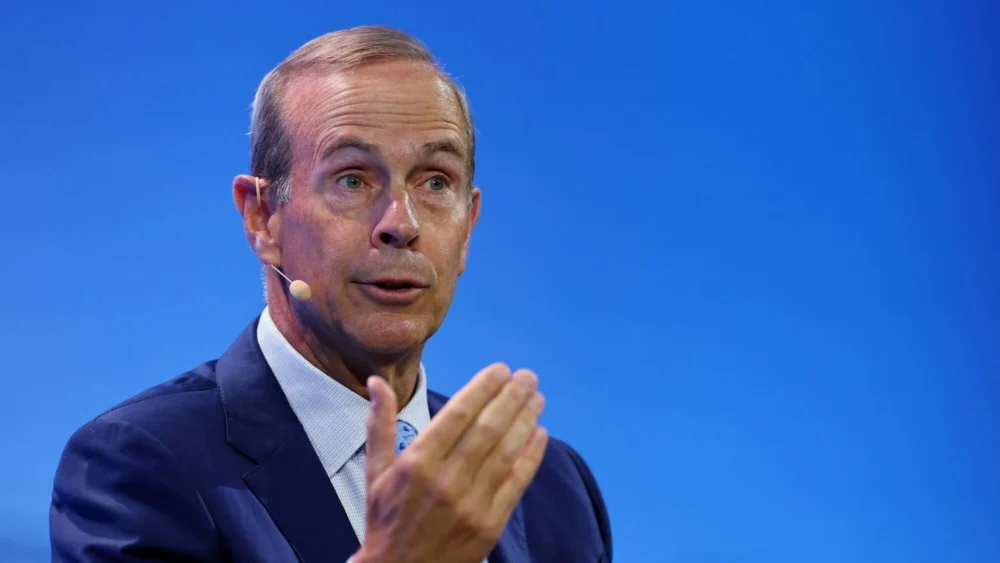
Chevron’s enduring presence in Venezuela represents a remarkable case study in strategic patience and calculated risk-taking within the volatile energy sector. Under the leadership of CEO Mike Wirth, the American oil giant has navigated a complex and often perilous landscape, maintaining its operations and investing in key assets even when many international competitors had retreated or significantly scaled back their involvement. This unwavering commitment, often viewed as a contrarian bet, is now positioned to yield substantial rewards as Venezuela’s oil sector shows tentative signs of revival, driven by a more accommodating stance from the U.S. government and a pragmatic approach by the Venezuelan authorities.
The genesis of Chevron’s bold strategy can be traced back to the challenging years of U.S. sanctions against Venezuela, which aimed to isolate the regime of Nicolás Maduro. While these sanctions severely hampered the nation’s oil exports and deterred investment, Chevron was granted specific waivers by the U.S. Treasury Department, allowing it to continue its operations. This crucial distinction set Chevron apart from many of its peers, enabling it to maintain a degree of operational continuity and to foster relationships that would prove invaluable during a future period of potential thawing. The company’s decision to remain, rather than divest, was not without significant internal debate and external scrutiny. Critics questioned the prudence of continuing to invest in a nation plagued by economic collapse, political repression, and a crumbling infrastructure. However, Chevron’s leadership, particularly Wirth, appears to have believed that the long-term potential of Venezuela’s vast, undeveloped oil reserves outweighed the immediate risks. This was a bet on the eventual normalization of relations and the inherent value of the country’s hydrocarbon resources, which are among the largest in the world.
The underlying rationale for Chevron’s sustained investment hinges on several critical factors. Firstly, Venezuela possesses some of the planet’s most substantial proven oil reserves, particularly heavy crude, which, while challenging to extract and process, can be highly profitable with the right technology and investment. Chevron, with its extensive experience in complex extraction projects, was well-equipped to handle these technical challenges. Secondly, the cost of production in Venezuela, even with ongoing infrastructure issues, has historically been relatively low compared to many other oil-producing regions. This inherent cost advantage provides a strong foundation for profitability once production can be ramped up and optimized. Thirdly, and perhaps most crucially, Chevron anticipated the geopolitical dynamics. The company likely understood that the international community, and particularly the United States, would eventually seek a pragmatic path forward to stabilize Venezuela’s economy and alleviate humanitarian concerns, which would inevitably involve a recalibrated approach to the energy sector.
The current landscape is indeed shifting. The U.S. government has gradually eased some sanctions, specifically those targeting Venezuela’s oil and gas sector, in response to perceived progress in democratic negotiations and the urgent need to stabilize global energy markets. These adjustments have provided Chevron with greater operational flexibility, allowing it to increase its production and explore new investment opportunities. The company’s existing joint ventures, particularly with state-owned Petróleos de Venezuela, S.A. (PDVSA), are now being revitalized. Chevron’s ability to bring capital, technology, and international operational standards to these ventures is critical for increasing output from aging fields and potentially developing new ones.
The implications of Chevron’s strategic foresight extend beyond its immediate financial gains. The company’s success could serve as a bellwether for other international energy firms, potentially encouraging further investment and a broader re-engagement with Venezuela’s oil sector. This influx of capital and expertise could be instrumental in rehabilitating PDVSA, improving the country’s dilapidated infrastructure, and ultimately contributing to its economic recovery. A revitalized Venezuelan oil industry would not only benefit Chevron but also have a significant impact on global oil supply dynamics, potentially helping to moderate prices and enhance energy security for importing nations.
However, the path forward for Chevron and Venezuela’s oil sector is not without its challenges. The country’s political landscape remains fragile, and any significant deterioration in the relationship between the Maduro government and international actors could quickly reverse the current trend of sanctions relief. Furthermore, the sheer scale of the infrastructure damage and underinvestment over the past two decades means that a complete revival of production will require sustained, substantial capital expenditure and a long-term commitment to rebuilding PDVSA’s operational capabilities. Environmental considerations and the need for responsible resource management will also be paramount as production scales up.
From an analytical perspective, Chevron’s strategy exemplifies a disciplined approach to commodity investing. It involves identifying assets with fundamental, long-term value, understanding the cyclical nature of the industry, and being willing to endure short-term volatility for long-term gains. The company’s ability to secure waivers and maintain operational continuity during the most stringent sanctions periods was a masterstroke of diplomacy and strategic maneuvering. It allowed Chevron to maintain a foundational presence, preserve its operational knowledge, and keep its teams engaged, thereby avoiding the steep learning curve and rebuilding efforts that would have been necessary had it completely exited the market.
The financial rewards for Chevron are anticipated to be substantial. Increased production from its Venezuelan operations, coupled with favorable global oil prices, will directly contribute to the company’s revenue and profitability. The efficiency gains that Chevron can bring to its joint ventures are expected to lower the overall cost of production, enhancing margins. Furthermore, the ability to tap into Venezuela’s vast reserves provides Chevron with a significant strategic advantage in its long-term portfolio, diversifying its production base and securing access to some of the world’s most prolific oil-producing regions.
The future outlook for Chevron in Venezuela hinges on a delicate balance of geopolitical stability, economic reform within Venezuela, and continued global energy demand. If the current trajectory of engagement and sanctions relief persists, Chevron is exceptionally well-positioned to capitalize on its early and sustained commitment. The company’s experience in navigating complex regulatory environments and its technical expertise in heavy oil extraction are critical assets.
In conclusion, Mike Wirth’s long-term conviction in Venezuela’s oil potential, a strategy that has been meticulously executed by Chevron, is demonstrating its efficacy. By maintaining a strategic presence through challenging times and securing the necessary permissions to operate, Chevron has positioned itself to benefit significantly from the ongoing recalibration of U.S.-Venezuela relations and the potential resurgence of the South American nation’s vital energy sector. This calculated bet, grounded in a deep understanding of resource potential and geopolitical dynamics, is poised to deliver a substantial return on investment, underscoring Chevron’s reputation as a formidable player in the global energy arena. The company’s success will not only bolster its own financial performance but could also play a pivotal role in Venezuela’s economic recovery and contribute to global energy market stability.



 Lisa Mariana
 Aura Kasih