
 Ayu Aulia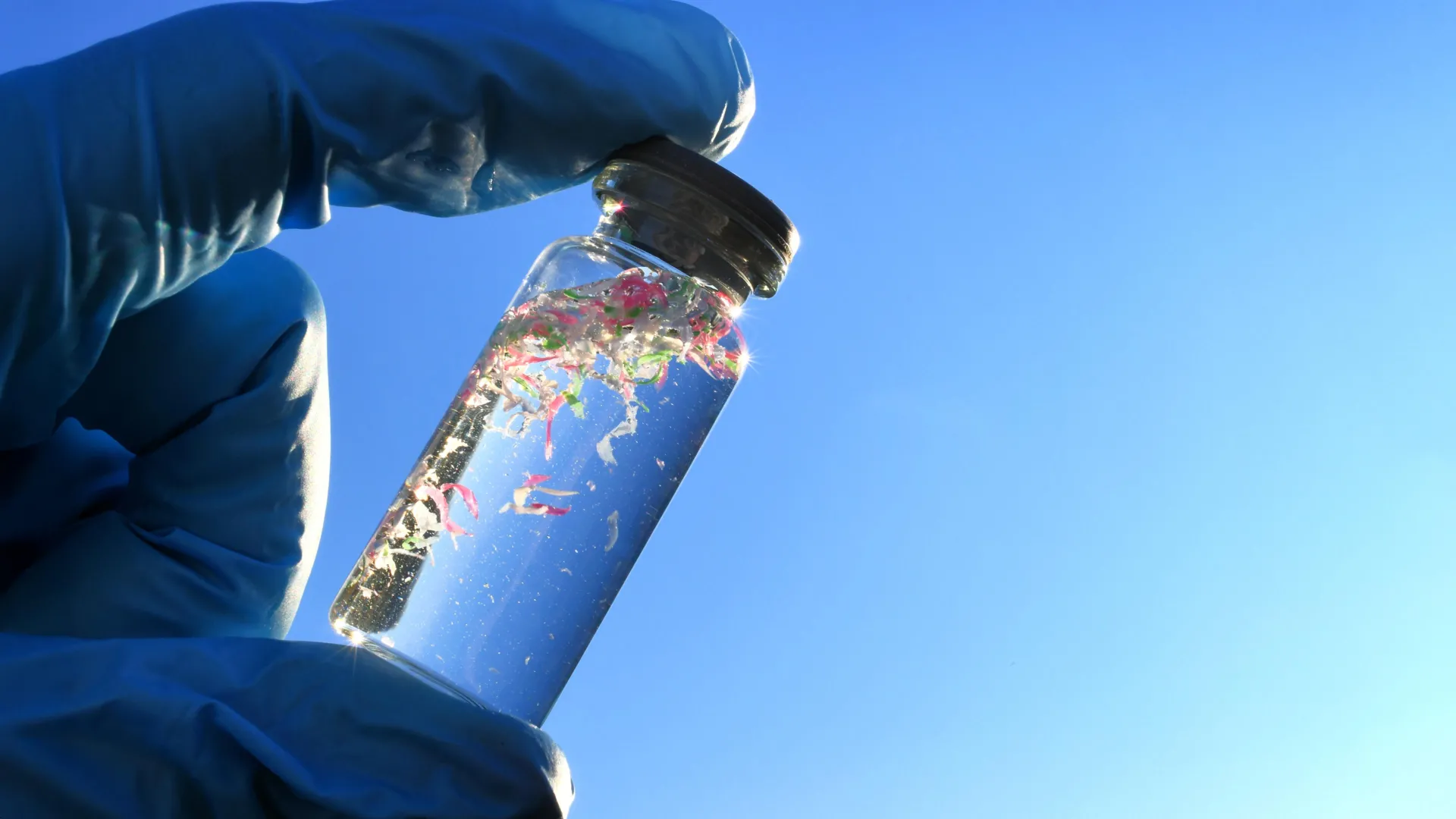
A recent scientific inquiry has brought to light a critical intersection between pervasive microplastic pollution and the ocean’s fundamental capacity to absorb atmospheric carbon dioxide, a process vital for global climate regulation. This emerging understanding reveals a previously underestimated dimension of plastic’s environmental impact, suggesting a complex feedback loop that could exacerbate climate change.
Microplastics, defined as minuscule plastic fragments under five millimeters in dimension, have permeated nearly every ecological niche across the globe. Their ubiquitous presence extends from the deepest oceanic trenches to pristine Arctic ice, and from freshwater systems to atmospheric layers, even finding their way into human biological systems. This widespread dissemination poses significant environmental and health risks. These minute particles frequently act as vectors for toxic compounds, which can be ingested by both wildlife and humans, potentially leading to systemic disease, disruption of delicate ecosystems, compromised marine organism health, and degradation of soil fertility.
Despite the escalating urgency of addressing climate change, the intricate relationship between microplastic proliferation and global climate systems has historically received insufficient scholarly and policy attention, particularly within marine environments. Researchers, articulating their findings in a comprehensive study published in the Journal of Hazardous Materials: Plastics, emphasize this critical oversight: "Climate disruption and plastic pollution represent two monumental environmental challenges that converge in multifaceted ways. Microplastics influence critical biogeochemical cycles, impair oceanic carbon sequestration mechanisms, and directly contribute to the emission of greenhouse gases." This statement underscores a paradigm shift in understanding the full scope of plastic pollution’s environmental footprint.
Disentangling Microplastic Interference with Ocean Carbon Cycling
Within the vast expanse of ocean ecosystems, microplastics actively impede natural carbon storage mechanisms by adversely affecting phytoplankton and zooplankton. These microscopic organisms form the bedrock of marine food webs and are indispensable for effective carbon cycling. The study further illuminates the role of the "plastisphere," a distinct microbial community that colonizes the surfaces of microplastic particles. According to the research team, the complex biological activities within this microbial layer significantly contribute to the generation of greenhouse gases (GHGs).
While microplastics have long been recognized as detrimental pollutants due to their physical and chemical impacts, the recent investigation highlights an additional, less visible, yet profoundly dangerous consequence. Dr. Ihsanullah Obaidullah, an Associate Professor of Integrated Water Processing Technologies at the University of Sharjah and the corresponding author of the study, articulated this concern: "Our study demonstrates that microplastics also diminish the ocean’s intrinsic capacity to absorb carbon dioxide, a process that is paramount for maintaining Earth’s thermal equilibrium."
Dr. Obaidullah further elaborated on the cascading effects, stating, "Microplastics disrupt essential marine life functions, diminish the efficacy of the ‘biological carbon pump,’ and even release greenhouse gases as they undergo degradation. Over an extended period, these alterations could precipitate intensified ocean warming, widespread acidification, and severe biodiversity loss, thereby jeopardizing global food security and the resilience of coastal communities." The cumulative nature of these impacts suggests a looming threat that requires immediate and integrated global responses.
A Concealed Climate Threat Unveiled
Dr. Obaidullah characterized the underlying research as a "collaborative perspective," reflecting the combined expertise of scientists hailing from diverse geographical regions including China, Hong Kong, Pakistan, and the United Arab Emirates. He asserted, "We have underscored a previously overlooked nexus between microplastics and climate change. We advocate for urgent, globally coordinated action to confront this emergent hazard."
The study, formally titled "Microplastics and Global Warming: A Hidden Climate Threat Uncovered in a New Perspective," adopted a scoping review methodology to synthesize existing research. By meticulously evaluating areas where empirical evidence is robust and identifying persistent knowledge gaps, the authors have discerned a largely unrecognized greenhouse effect directly attributable to microplastics. This analytical approach is crucial for navigating complex, multidisciplinary environmental challenges where the full scope of interaction is still being defined.
"The oceans represent Earth’s most extensive carbon sink," Dr. Obaidullah emphasized. "Microplastics are systematically eroding this natural protective barrier against climate change. Consequently, the mitigation of plastic pollution must now be recognized as an integral component of the broader struggle against global warming." This reframing elevates plastic pollution from a singular environmental issue to a critical climate concern.
The research team specifically highlights the "biological carbon pump"—the ocean’s intrinsic mechanism for transferring atmospheric carbon into deep-sea layers—as the primary pathway linking microplastics to climate change. The authors delineate the interference: "Microplastics impede this vital process by curtailing the photosynthetic activity of phytoplankton and impairing the metabolic functions of zooplankton." This dual impact on key marine organisms effectively weakens the ocean’s ability to draw down and sequester carbon.
Another significant factor is the aforementioned plastisphere. This complex microbial assemblage forms resilient biofilms on plastic surfaces within aquatic environments, hosting a diverse range of organisms involved in crucial biogeochemical cycles, including those pertaining to nitrogen and carbon. Furthermore, the researchers caution that microplastics themselves release greenhouse gases as they degrade through various environmental processes, thereby further intensifying their contribution to the overall climate crisis.
Methodological Insights into the Research Approach
Rather than adhering to a rigid systematic review protocol, the researchers opted for an integrative narrative approach to examine prior studies. This methodology involved extensive desktop research, drawing upon a diverse array of authoritative sources, including peer-reviewed academic articles, comprehensive reports from international organizations, and other credible publications focused on the multifaceted topics of microplastics, ocean health, climate change, and their interconnected social and environmental dimensions.
Dr. Obaidullah clarified that, unlike structured protocols such as PRISMA, their study did not impose strict inclusion or exclusion criteria. The deliberate objective was to establish conceptual and thematic connections across disparate scientific disciplines. In total, the team meticulously reviewed 89 studies predominantly published after 2015, encompassing research conducted from 2010 to projected trends for 2025. This expansive and flexible approach allowed the authors to assess burgeoning evidence, pinpoint critical knowledge deficits, and discuss broader policy implications relevant to climate change, the United Nations Sustainable Development Goals (SDGs), and human rights.
The authors note that a substantial portion of existing research has predominantly focused on the detection of microplastics and the development of remediation technologies. As they articulate, "The precise extent to which microplastics influence climate change, ocean health, and associated systems remains largely unquantified. This ambiguity largely stems from the nascent, intricate, and multifaceted nature of the issue. While the significant ecological ramifications of plastic pollution in oceanic environments are well-established, its exact connections to these extensive environmental processes are not yet comprehensively understood."
To bridge these identified knowledge gaps, the researchers issue a compelling call for future investigations specifically designed to explore the dynamic interactions between microplastics and climate dynamics. They contend that a deeper comprehension of these linkages could fundamentally alter prevailing "perspectives in research and policymaking," leading to more effective and integrated environmental strategies.
By comprehensively addressing both the ecological and economic repercussions of microplastic pollution, the study aims to foster the development of more robust and efficacious strategies for mitigating plastic contamination and curtailing its role in exacerbating critical environmental problems such as ocean deoxygenation and ecosystem instability.
The Pervasive Nature of Plastic Pollution
The deep integration of plastics into contemporary life is attributable to their intrinsic properties: exceptional durability, cost-effectiveness, and remarkable versatility. These materials are indispensable across a vast spectrum of applications, including food packaging, medical devices, construction materials, insulation, electronic components, aerospace applications, diverse consumer products, and essential healthcare solutions.
This pervasive utility has driven unprecedented levels of global plastic production. A 2025 report from the United Nations projects that annual plastic production could exceed 400 million tonnes. Alarmingly, approximately half of this vast quantity is engineered for single-use applications, and less than 10 percent is effectively recycled. Without decisive intervention, annual plastic production is anticipated to triple by the year 2060, portending an even greater environmental burden.
Historically, human civilization has generated over 8.3 billion tonnes of plastic. Approximately 80 percent of this enormous volume has been discarded into landfills or released directly into the natural environment, with a mere nine percent having undergone recycling processes.
While plastics undeniably offer substantial benefits to modern society, the authors issue a stern warning that "their environmental footprint across the entire life cycle has evolved into a progressively alarming concern. These plastics, owing to their high persistence, have emerged as a pressing global environmental challenge."
They further underscore that "The escalating demand for and excessive consumption of plastic have engendered severe challenges for both human and ecosystem health, posing formidable threats to environmental sustainability and food safety." This comprehensive view emphasizes that the problem transcends mere waste management, impacting fundamental aspects of planetary well-being.
Imperatives for Coordinated Global Action
The researchers strongly caution policymakers against underestimating the protracted and cumulative effects of microplastics, even if their immediate impacts might appear modest. They contend that "while their current impacts may seem minor, their growing accumulation suggests future significance. The impact of microplastics on ocean health, particularly concerning potential ocean warming and acidification, remains an area of profound concern." This perspective highlights the principle of precautionary action, urging foresight in environmental governance.
The authors emphatically stress that plastic pollution and climate change must be addressed synergistically. They assert, "By integrating these efforts, the adverse effects of climate change could be mitigated through appropriate actions aimed at curbing the proliferation of microplastics." This statement advocates for a unified strategic framework, recognizing the interconnectedness of these global challenges.
Among their key recommendations, the researchers urge the United Nations to re-evaluate the current treatment of plastics within the framework of the Sustainable Development Goals. They highlight a significant deficiency: "Plastics are presently represented by a solitary indicator, which may not adequately encapsulate the extensive and diverse risks posed by microplastics across heterogeneous ecological systems." This calls for a more nuanced and comprehensive approach to monitoring and reporting plastic-related impacts within global sustainability targets.
Furthermore, they advocate for the establishment of coordinated governance frameworks specifically designed to address both microplastic pollution and climate change, with particular emphasis on their combined effects on ocean warming and acidification. Such frameworks would necessitate unprecedented levels of international cooperation and policy harmonization.
To safeguard the vitality of the oceans and preserve their indispensable capacity to absorb atmospheric carbon dioxide, the authors outline several critical priorities. These include a substantial reduction in the consumption of single-use plastics, significant enhancements in global waste management infrastructures, vigorous promotion of biodegradable alternatives, and an expansion of scientific research into the precise mechanisms by which microplastics influence ocean temperatures and carbon cycles. Additionally, they recommend the strategic deployment of AI-driven monitoring technologies and the accelerated development of innovative materials to fundamentally reduce plastic waste generation.
Looking towards future endeavors, Dr. Obaidullah affirmed, "Our subsequent objective is to quantitatively assess the climate impact of microplastics and to devise integrated, actionable solutions. This is not merely an environmental concern; it represents a quintessential global sustainability challenge that demands a holistic and urgent response." The call for quantification underscores the need for robust data to inform effective policy and investment decisions in the ongoing battle against climate change and environmental degradation.




 Lisa Mariana
 Aura Kasih


 Ridwan Kamil