
 Aura Kasih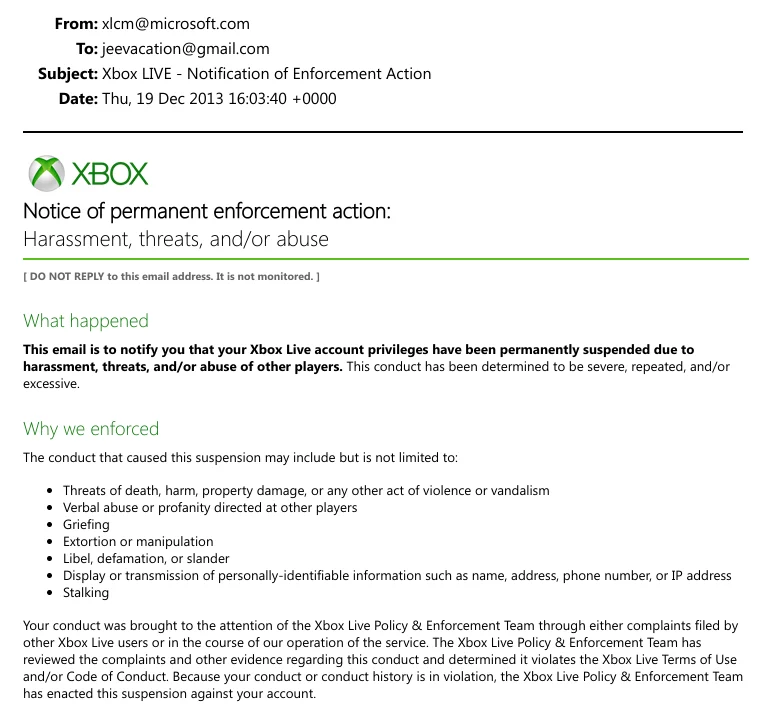
Newly unearthed correspondence from the extensive cache of Jeffrey Epstein’s digital communications reveals that the convicted sex offender was permanently barred from Microsoft’s Xbox Live online gaming service. While an initial notification cited "harassment, threats, and/or abuse of other players" as the grounds for the December 2013 ban, a secondary, more definitive communication from Microsoft clarified the true impetus: Epstein’s status as a registered sex offender. This action aligned with a broader industry-wide commitment to remove individuals convicted of sex offenses from platforms frequented by minors, underscoring a significant shift in online platform policies concerning user safety and the protection of vulnerable populations.
The revelation of Epstein’s ban from Xbox Live, a platform with a substantial user base that includes a significant demographic of young players, injects a new layer of complexity into the ongoing scrutiny of his digital footprint. The initial justification, focused on behavioral infractions, could have been interpreted as a standard enforcement action for violations of community guidelines. However, the subsequent clarification by Microsoft points to a more systemic and proactive measure, directly linked to Epstein’s legal status and the growing awareness of the potential risks posed by registered sex offenders on interactive online environments. This dichotomy in the stated reasons for the ban warrants a deeper examination of the timeline and the motivations behind Microsoft’s decision, as well as its implications for online service providers and the broader digital ecosystem.

Microsoft’s participation in an initiative, spearheaded by New York State, to purge registered sex offenders from online platforms aimed at mitigating the risk of contact between these individuals and minors. This concerted effort, which gained momentum in the early 2010s, represented a significant pivot for technology companies. Prior to this, the policies governing online interactions were often less stringent, and the focus was primarily on content moderation and direct user-to-user disputes. The "Operation Game Over" initiative, as it was known, marked a turning point, compelling platforms to implement more rigorous vetting processes and to actively collaborate with law enforcement and governmental bodies to ensure compliance with sex offender registries.
The timing of Epstein’s Xbox Live account creation, reportedly in October 2012, places his entry into the online gaming sphere shortly before Microsoft’s proactive ban. This suggests that while Epstein may have been a new user to the platform, his established legal status as a registered sex offender was a pre-existing condition that Microsoft was mandated to address. The delay of over a year between his joining Xbox Live and the imposition of the ban raises questions about the efficiency of the notification and enforcement mechanisms in place at the time. It is plausible that the ban was triggered by a proactive review of user accounts against updated sex offender databases, or perhaps by an external report or alert that prompted Microsoft to re-evaluate Epstein’s eligibility for service.
The nature of Epstein’s interactions with Xbox Live remains a subject of inquiry. While the initial ban cited player harassment, further communications suggest that his engagement with the platform may have been indirect or related to gift-giving rather than direct gameplay. Queries about the existence of an Xbox 360 Kinect, discussions about purchasing an Xbox as a surprise gift for a child, and inquiries regarding unexpected charges on his account all point towards a more peripheral involvement. This ambiguity does not diminish the significance of the ban, but it does highlight the challenges in fully reconstructing the digital activities of individuals who operated through intermediaries or maintained a discreet online presence.

The broader context of Epstein’s illicit activities and his network of associates further amplifies the importance of these findings. His conviction for sex trafficking and his documented history of associating with influential figures across various sectors underscore the need for meticulous examination of his digital footprint. The ban from Xbox Live, while seemingly a minor detail in the grander scheme of his criminal enterprises, serves as a microcosm of the broader societal efforts to curb the influence and activities of individuals with histories of severe misconduct. It demonstrates how even entities within the entertainment and technology sectors were compelled to align with public safety mandates.
The implications of this revelation extend beyond the individual case of Jeffrey Epstein. It underscores the evolving landscape of online safety and the increasing responsibility placed upon technology companies to safeguard their platforms. The proactive removal of registered sex offenders, as exemplified by Microsoft’s action, sets a precedent for how online services should approach user registration, data verification, and ongoing monitoring. It signals a shift from a reactive approach, where bans are typically issued after violations occur, to a more preventative model, where individuals whose legal status poses a potential risk are identified and excluded from platforms where they could interact with vulnerable users.
Furthermore, the incident highlights the critical role of collaboration between government agencies, law enforcement, and private sector entities in enhancing online safety. The New York State initiative to purge sex offenders from online platforms is a testament to the effectiveness of such partnerships. This approach not only helps to protect children and other potential victims but also contributes to building a more secure and trustworthy online environment for all users. The continuous evolution of these initiatives and the technologies that support them will be crucial in adapting to the ever-changing digital landscape and the persistent threat posed by individuals seeking to exploit online platforms for illicit purposes.

The future outlook for online platform safety is likely to involve even more sophisticated methods of user verification and risk assessment. As artificial intelligence and machine learning technologies advance, platforms may be able to identify patterns of behavior or associations that indicate potential risks, even before explicit violations occur. Moreover, the regulatory framework surrounding online safety is expected to become more robust, with increased pressure on technology companies to demonstrate their commitment to protecting users, particularly minors. The case of Jeffrey Epstein and his Xbox Live ban serves as a stark reminder of the persistent challenges in this domain and the ongoing need for vigilance, robust policies, and effective enforcement mechanisms to ensure the integrity and safety of the digital world. The journey towards a truly secure online environment is an ongoing process, requiring continuous adaptation, innovation, and a steadfast commitment to ethical responsibility from all stakeholders involved.




 Ridwan Kamil

 Lisa Mariana
 Ayu Aulia