Ridwan Kamil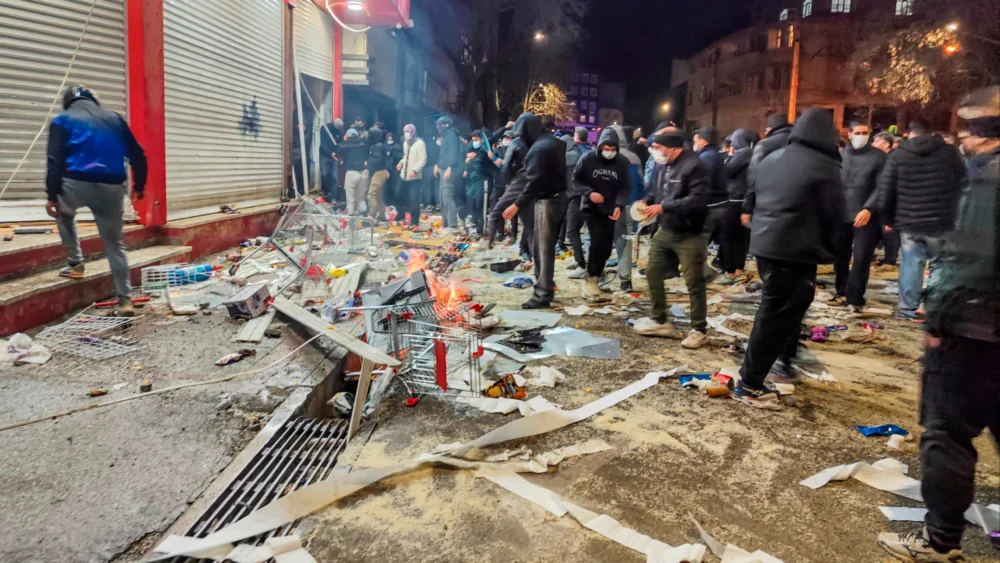
As protests continue to surge across Iran, the nation’s digital arteries have been severely constricted, with widespread internet disruptions and a near-total blackout implemented by the regime. This deliberate silencing of online communication marks a significant escalation in the government’s efforts to control the narrative, suppress dissent, and prevent the free flow of information amid a burgeoning wave of public discontent. The move, which has left citizens struggling to connect with the outside world and with each other, underscores the growing desperation of an administration facing unprecedented challenges to its authority.
The widespread internet disruptions that have engulfed Iran represent a stark illustration of the state’s increasing reliance on digital suppression as a primary tool to manage societal unrest. The intentional throttling and outright blocking of internet access, particularly in urban centers and areas experiencing heightened protest activity, are not merely technical glitches but calculated maneuvers designed to isolate populations and dismantle organized opposition. This digital iron curtain serves a dual purpose: to prevent the documentation and dissemination of human rights abuses occurring on the ground, and to impede the coordination of further demonstrations by activists and ordinary citizens alike.
The current wave of protests, sparked by the death of Mahsa Amini in the custody of the morality police in September 2022, has evolved into a broader challenge to the Islamic Republic’s legitimacy and its deeply entrenched social and political structures. The grievances extend beyond the strictures of the hijab to encompass systemic economic hardship, corruption, and a pervasive lack of political freedoms. The online sphere, which has historically served as a vital, albeit often precarious, platform for dissent and mobilization in Iran, has become a key battleground in this struggle. Consequently, the regime’s decision to sever these digital lifelines is a direct response to their perceived efficacy in amplifying voices of opposition and galvanizing public participation.
Historical Context of Digital Control in Iran
Iran’s relationship with the internet has long been characterized by a delicate and often tense balancing act between the desire for technological advancement and the imperative of ideological control. Since the early days of the internet, Iranian authorities have sought to harness its potential for economic development and access to information while simultaneously implementing sophisticated censorship mechanisms. This has included the blocking of thousands of websites deemed politically subversive or morally objectionable, the filtering of social media platforms, and the establishment of extensive surveillance apparatuses.
The "Green Movement" protests of 2009 marked a turning point, highlighting the internet’s power to mobilize and inform. In response, the government significantly intensified its efforts to control online discourse, investing heavily in domestic internet infrastructure and surveillance technologies. The development of the National Information Network (NIN), a state-controlled intranet, has been a central pillar of this strategy. The NIN aims to make Iran less reliant on external internet infrastructure, allowing for greater control over traffic and the potential to disconnect from the global internet altogether, a capability that appears to be increasingly utilized.
The current internet blackout is not unprecedented, but its scale and duration suggest a heightened level of concern from the authorities. Similar disruptions have occurred during previous periods of significant unrest, such as the fuel price protests in November 2019, which led to a near-total internet shutdown for several days, resulting in widespread condemnation from international human rights organizations. This recurring pattern demonstrates a clear strategic playbook employed by the regime to quell dissent when faced with overwhelming popular opposition.
Mechanisms of Digital Suppression
The methods employed to enforce these internet blackouts are multifaceted and sophisticated. They typically involve the deliberate throttling of internet speeds to a point where online communication becomes virtually impossible, followed by complete disconnections, particularly affecting mobile internet services which are widely used by the population. Internet service providers, both state-run and private, are compelled to comply with government directives, leaving citizens with few, if any, alternatives for connectivity.
Beyond broad-stroke shutdowns, more targeted measures are often implemented. This can include blocking specific social media applications like Instagram and WhatsApp, which have been instrumental in organizing protests and sharing real-time information. Furthermore, sophisticated filtering and deep packet inspection technologies allow authorities to monitor and block specific content and keywords, effectively sanitizing the online environment. The use of artificial intelligence and machine learning in surveillance further enhances the regime’s ability to identify and track individuals engaged in online activism.
The economic implications of such widespread internet disruptions are also significant. Businesses reliant on online transactions, e-commerce platforms, and the burgeoning digital economy suffer immense losses. For individuals, the inability to access online banking, communicate with family abroad, or utilize essential digital services creates profound disruption and hardship. This economic fallout, while perhaps secondary to the regime’s primary objective of maintaining political control, nonetheless adds to the pervasive sense of frustration and discontent within the population.
International Reactions and Implications
The international community has largely condemned Iran’s internet shutdowns, viewing them as a violation of fundamental human rights, including the freedom of expression and access to information. United Nations bodies, human rights organizations, and numerous governments have called for the immediate restoration of internet services and urged Iran to respect the rights of its citizens. However, the effectiveness of such condemnations in altering the regime’s behavior remains limited, given the deeply entrenched nature of its security apparatus and its strategic calculation that short-term control outweighs international criticism.
The prolonged isolation of Iran’s population from the global digital sphere has profound implications for the country’s future. It hinders the free exchange of ideas, impedes access to educational resources, and limits opportunities for economic and social development. Moreover, it creates an information vacuum that can be exploited by state propaganda, further entrenching divisions and hindering any potential for meaningful dialogue and reconciliation.
The resilience of the Iranian people in the face of such severe restrictions is remarkable. Despite the digital blackout, information continues to find ways to circulate, albeit with greater difficulty and risk. Citizen journalists, using rudimentary tools and relying on clandestine networks, strive to document events and share them with the outside world. This persistent effort underscores the deep-seated desire for truth and transparency that the regime’s digital censorship cannot entirely extinguish.
Expert Analysis and Future Outlook
From an analytical perspective, the Iranian regime’s reliance on internet shutdowns reflects a strategic decision to prioritize immediate security and control over long-term stability and legitimacy. This approach, while effective in the short term at disrupting organized opposition, carries significant risks. It can foster deeper resentment, drive dissent underground, and potentially lead to more unpredictable and violent forms of protest in the future.
The regime’s ability to sustain these prolonged periods of digital isolation is a testament to its investment in domestic infrastructure and its willingness to bear the economic costs. However, this strategy is not without its limitations. The global interconnectedness of information means that even with significant restrictions, information leaks and external reporting can still pierce the veil of censorship. Furthermore, the increasing sophistication of circumvention tools, while often suppressed, offers a persistent challenge to state control.
Looking ahead, the future of internet access in Iran will likely remain a critical indicator of the broader political climate. Any significant relaxation of digital controls could signal a shift in the regime’s approach, perhaps in response to mounting internal or external pressures. Conversely, further tightening of restrictions, including the potential full implementation of the National Information Network as a standalone intranet, would indicate a deepening commitment to digital authoritarianism.
The ongoing struggle for information in Iran highlights a global trend of digital authoritarianism, where governments increasingly leverage technology to suppress dissent and maintain power. Iran’s experience serves as a potent case study of the complex interplay between technology, politics, and human rights in the 21st century, underscoring the persistent challenges in ensuring unfettered access to information in an increasingly controlled digital landscape. The resilience of the Iranian people in their quest for truth and freedom, despite the imposed digital silence, remains a crucial narrative in the ongoing struggle for human rights and democratic aspirations.



 Aura Kasih
 Lisa Mariana