Ridwan Kamil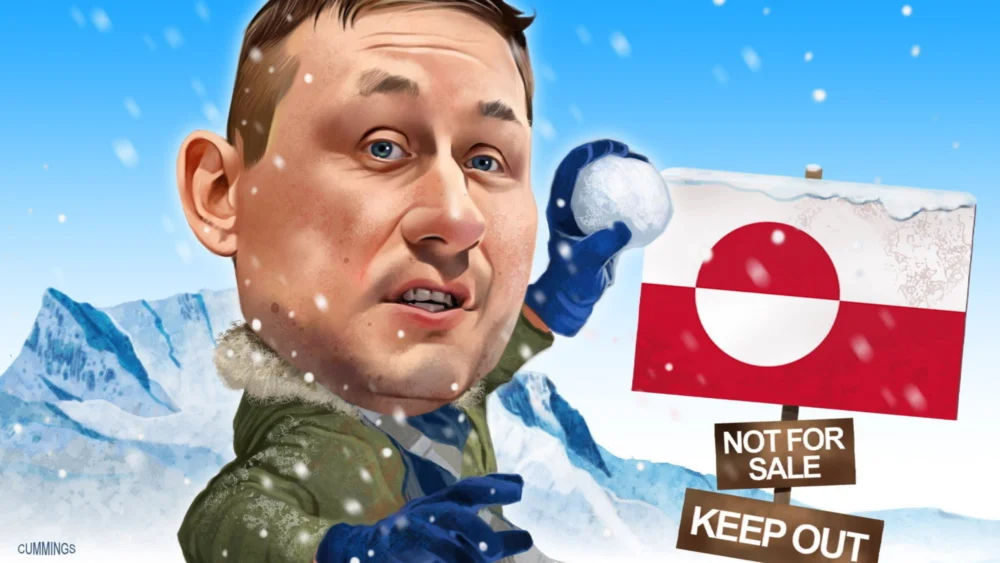
Jens-Frederik Nielsen, the leader of Greenland, finds himself at a pivotal juncture, wrestling with the immense pressures of steering a nation poised on the precipice of significant transformation while simultaneously confronting a burgeoning tide of public apprehension. His tenure is defined by a delicate balancing act, seeking to harness the vast economic potential of the Arctic territory through resource extraction and infrastructure development, all while appeasing a populace increasingly vocal about the environmental and social ramifications of such ambitious undertakings.
Greenland, an autonomous Danish territory, is endowed with extraordinary natural wealth, including vast reserves of rare earth minerals, oil, and gas. For decades, these resources have remained largely inaccessible, a testament to the challenging Arctic environment and the high costs associated with extraction. However, in recent years, global demand for these critical materials, coupled with advancements in technology and the receding ice caps due to climate change, has brought the prospect of large-scale exploitation into sharp focus. Premier Nielsen and his government have embraced this potential, viewing it as the key to unlocking Greenland’s economic independence and elevating the living standards of its approximately 56,000 inhabitants. This vision, however, is not universally shared.
The drive for economic development, particularly in the mining sector, has ignited a fierce debate within Greenland. Proponents argue that mineral extraction is not merely an economic opportunity but a necessity for self-sufficiency. They highlight the current reliance on Danish subsidies and the potential for the revenue generated from mining to fund crucial public services, such as healthcare, education, and infrastructure improvements, which are currently lagging behind those in many developed nations. The argument is that without significant investment in its own resource base, Greenland will remain economically beholden to external powers, its sovereignty diminished.
However, a significant segment of the population, including environmental groups, indigenous organizations, and a growing number of younger citizens, express profound concerns. Their anxieties are multi-faceted. Foremost among these is the potential environmental impact of large-scale mining operations in a fragile Arctic ecosystem. The region is already experiencing rapid environmental change, and critics fear that industrial activities could exacerbate melting glaciers, disrupt delicate marine life, and contaminate freshwater sources, jeopardizing traditional livelihoods such as hunting and fishing that are intrinsically linked to the Greenlandic identity and way of life.
Furthermore, there are concerns about the socio-cultural implications. Critics worry that the influx of foreign workers and companies, driven by the pursuit of natural resources, could dilute Greenlandic culture, strain social infrastructure, and lead to increased inequality. The historical context of colonization and the ongoing struggle for self-determination imbue these concerns with particular gravity. Many fear that prioritizing economic development over environmental protection and cultural preservation could lead to a Faustian bargain, trading long-term well-being for short-term financial gain.
Premier Nielsen’s government has attempted to address these concerns by emphasizing responsible development and the implementation of stringent environmental regulations. They point to international best practices in mining and pledge to ensure that any resource extraction projects adhere to the highest standards of environmental stewardship and social responsibility. The government has also stressed the importance of creating employment opportunities for Greenlanders within the mining sector, thereby ensuring that the benefits of resource development are shared internally. However, skepticism persists, fueled by past experiences and a deep-seated distrust of external interests potentially exploiting Greenland’s natural wealth without adequate consideration for its people and environment.
The political landscape in Greenland is often characterized by a dynamic interplay between the pursuit of independence and the pragmatic realities of economic development. The desire for full autonomy from Denmark is a powerful undercurrent, and economic self-sufficiency is seen as a prerequisite for achieving this goal. However, the path to self-sufficiency is fraught with challenges, and the debate over how best to achieve it is deeply divisive. Nielsen’s leadership is thus tested not only by the economic imperative but also by the need to forge a national consensus on the future direction of the country.
The international dimension of Greenland’s resource potential cannot be overlooked. As geopolitical interests in the Arctic intensify due to climate change opening new shipping routes and increasing accessibility, Greenland finds itself at the nexus of global attention. Major global powers and corporations are keenly interested in the territory’s mineral wealth, particularly rare earth elements essential for advanced technologies and green energy initiatives. This external interest adds another layer of complexity to Nielsen’s governance, requiring him to navigate delicate diplomatic relationships and ensure that Greenland’s interests are paramount in any international agreements.
The pressure on Premier Nielsen is therefore immense. He must simultaneously champion a vision of economic prosperity and national advancement while demonstrating a deep respect for the environment and the cultural heritage of his people. The success of his leadership will be measured not only by his ability to attract foreign investment and stimulate economic growth but also by his capacity to foster social cohesion, build trust, and ensure that Greenland’s development trajectory is sustainable and equitable for all its citizens. The coming years will undoubtedly be critical in shaping the future of this vast Arctic nation, and the decisions made under Nielsen’s stewardship will have profound and lasting consequences.
The debate surrounding resource development in Greenland mirrors similar discussions occurring in other resource-rich regions globally, where the tension between economic opportunity and environmental and social sustainability is a recurring theme. However, Greenland’s unique geopolitical position, its indigenous population, and the accelerated pace of climate change in the Arctic lend a particular urgency and complexity to its situation. The decisions made now will not only determine Greenland’s economic future but will also serve as a case study in how nations can balance the exploitation of natural resources with the imperative of preserving their environment and cultural identity.
The Greenlandic people have a long and proud history of adapting to and thriving in a challenging environment. Their resilience and deep connection to the land and sea are integral to their identity. As Nielsen navigates the complex path ahead, his government faces the formidable task of ensuring that any development undertaken truly benefits the Greenlandic people, respects their traditions, and safeguards the pristine Arctic environment for future generations. The success of his leadership hinges on his ability to bridge divides, foster genuine dialogue, and implement policies that reflect a holistic vision for Greenland’s future—one that is economically prosperous, environmentally sound, and culturally vibrant. The world watches with keen interest as Greenland charts its course in this transformative era.



 Aura Kasih
 Lisa Mariana