Lisa Mariana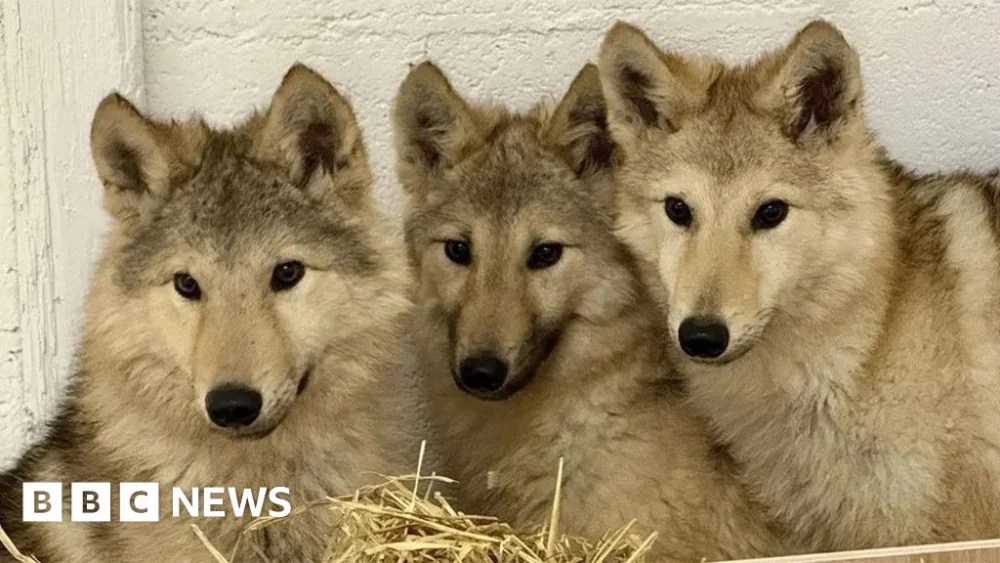
A recent scientific analysis has definitively identified three mysterious canines, initially presumed to be conventional dog breeds, as high-content wolf-dogs, bringing to light critical discussions surrounding the responsible ownership, legislative frameworks, and specialized care requirements for such complex hybrid animals within society. The revelation underscores the challenges faced by authorities in accurately identifying and managing creatures that exist at the fascinating intersection of wild instinct and domestic companionship, sparking a wider conversation about welfare standards and regulatory reform.
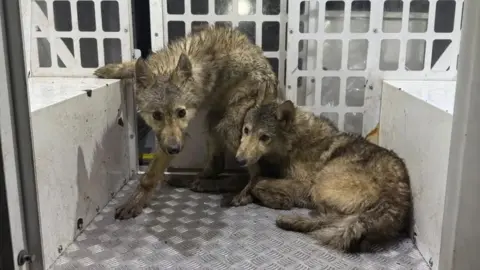
The saga commenced on October 30, 2025, when three large, wolf-like canids were discovered wandering the urban environs of Preston, a town in Lancashire. Their striking appearance, characterized by pointed ears, elongated muzzles, and a powerful build, immediately captivated local residents and quickly garnered extensive attention across digital platforms. Viral videos and images showcasing their distinctive features circulated widely, fueling public curiosity and speculation regarding their true nature. Despite the widespread public perception of their wild lineage, the initial assessment by Preston City Council’s contracted kennelling services classified the animals as a "German Shepherd-type breed." This preliminary identification, based primarily on visual cues rather than scientific scrutiny, highlights a common dilemma in distinguishing between breeds with strong lupine characteristics and genuine hybrids. The animals, later affectionately named Little Timmy, Boo, and Brooke, were in a state of severe emaciation when found, suggesting a history of neglect or abandonment, a tragically common fate for animals whose specific needs are misunderstood or unmet.
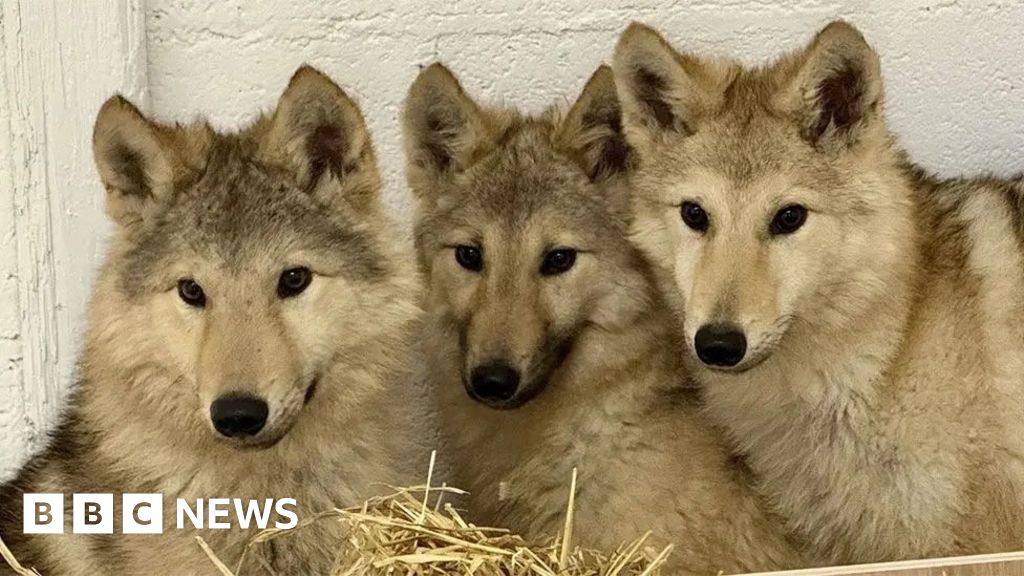
Following their initial recovery at a local rescue centre, the three siblings were transferred to Wolves of Wiltshire, a specialized exotic animal charity renowned for its expertise in the care of wolf-dogs and other rare canids. It was at this facility that the crucial decision was made to undertake DNA testing, an imperative step given their unusual morphology and the ambiguity of their origins. The results, provided by the canine genetics company Embark, delivered a definitive answer that validated the public’s initial instincts: the canines were indeed high-content wolf-dogs, specifically a blend of 49.1% Gray Wolf and 50.9% Czechoslovakian Vlcak. This genetic blueprint not only clarified their identity but also established their status as animals requiring highly specialized handling and environment, a reality far removed from the needs of a typical domestic dog. Oli Barrington, a trustee at Wolves of Wiltshire, confirmed that the animals were now "comfortable, safe and recovering from the ordeal," emphasizing the sanctuary’s commitment to their long-term welfare.
The case of Little Timmy, Boo, and Brooke illuminates the critical role of advanced genetic profiling in animal welfare and management. Traditional visual identification, even by experienced professionals, can be unreliable, especially when dealing with complex hybrid breeds or domestic dogs bred to mimic wild counterparts. DNA testing provides an irrefutable scientific basis for classification, which is vital for ensuring appropriate care, determining legal status, and informing public safety protocols. The specific identification of Czechoslovakian Vlcak in their genetic makeup is particularly noteworthy. The Czechoslovakian Vlcak, also known as the Czechoslovakian Wolfdog, is a recognized breed that originated in 1955 from an experimental cross-breeding project between German Shepherds and Carpathian wolves in Czechoslovakia. This breed was specifically developed to combine the temperament, trainability, and stamina of the German Shepherd with the physical prowess and sensory capabilities of the wolf, primarily for military border patrol. Their inherent genetic closeness to wolves means they retain many wild characteristics, including a strong prey drive, high energy levels, and a need for extensive socialization and training, making them distinct from most domestic breeds.
Specialized sanctuaries like Wolves of Wiltshire are indispensable in addressing the unique requirements of wolf-dogs. Unlike conventional animal shelters that primarily cater to domestic dogs, these facilities possess the infrastructure, expertise, and licensing necessary to manage animals with significant wild heritage. Their approach to care often deviates significantly from standard pet rehabilitation. As Mr. Barrington articulated, the focus at Wolves of Wiltshire is squarely "on the animals themselves, their welfare, and their happiness," rather than on domestication. This means providing environments that mimic natural habitats, allowing for minimal human contact if that is the animals’ preference, and foregoing efforts to "make them into pets." This philosophy recognizes the intrinsic wildness within these hybrids, acknowledging that attempting to force them into a conventional pet role can be detrimental to their psychological and physical well-being. The sanctuary’s ability to provide a secure and stimulating environment, where these animals can express their natural behaviors without the pressures of human expectation, is paramount to their recovery and long-term health.
The legal and ethical landscape surrounding wolf-dog ownership in the United Kingdom is complex and contentious. Under current UK law, wolf-dogs are legal to own, provided they are three generations removed from the original parent wolf. However, first and second-generation wolf-dogs, those with a direct wolf parent or grandparent, are classified as exotic animals and require a special license under the Dangerous Wild Animals Act 1976. This regulatory framework aims to control the ownership of animals that pose a potential risk to public safety or whose welfare needs cannot be easily met in a domestic setting. However, as Oli Barrington critically observed, the current legislation’s reliance on generational distance rather than genetic percentage presents a significant loophole. This allows for "perfectly legal on paper" ownership of high-content wolf-dogs—animals that may possess a substantial genetic proportion of wolf DNA—by individuals who are fundamentally unprepared for the immense commitment required. Such animals, while technically legal, often exhibit strong wild instincts, including enhanced predatory drives, heightened wariness of humans, and an innate ability to escape conventional enclosures, making them profoundly challenging to manage in typical household environments.
The challenges of owning a high-content wolf-dog extend far beyond mere legalities. These animals typically require vast amounts of space, specialized containment (often requiring fences significantly taller and more robust than those for domestic dogs), and a diet that reflects their carnivorous ancestry. Their social needs are also complex; while they can form strong bonds, their communication styles and pack dynamics often differ from those of domestic dogs, demanding an owner who understands and respects these nuances. The RSPCA, a leading animal welfare organization, unequivocally states that wolf-dogs are "much more challenging animals who need highly experienced handlers who have not only worked with dogs, but also wolves, and fully understand their needs." They caution against viewing them as suitable family pets, emphasizing the potential legal restrictions and the welfare implications of placing such animals in inappropriate homes. The risk of abandonment, as seen with Little Timmy, Boo, and Brooke, is considerably higher for these hybrids when owners fail to grasp the lifelong commitment and specialized knowledge required.
Conversely, a dedicated community of wolf-dog enthusiasts and owners argues that with proper understanding, resources, and commitment, these animals can thrive. Laura Mackenzie-Hawkins, from Greater Manchester, exemplifies this dedication. Having retired early to devote herself "24/7" to her four wolf-dogs and one rescued Belgian Malinois, she has meticulously adapted her home with a large garden and 6ft-high fences to ensure their safety and well-being. Her experience highlights the extraordinary lengths responsible owners must go to, transforming their lives and environments to accommodate these unique creatures. Mackenzie-Hawkins underscores the importance of education within the wolf-dog community, striving to inform potential owners about the demanding realities of living with these hybrids. She acknowledges that "they’re not easy" and stresses that the "mass hysteria" that can arise when a wolf-like animal is sighted wandering is a testament to the public’s lack of understanding and the unique responsibilities of ownership.
Historically, the deliberate breeding of wolves with domestic dogs has occurred for various purposes, from creating working animals with enhanced physical traits to producing companion animals with a "wild" aesthetic. Breeds like the Alaskan Malamute and Siberian Husky, while purely domestic, retain physical characteristics and behaviors reminiscent of their wolf ancestors, leading to occasional misidentification. However, true wolf-dog hybrids, particularly those with a high percentage of wolf DNA, represent a distinct category with a significantly different behavioral repertoire and welfare needs. The ongoing fascination with these animals often stems from a romanticized view of their wild heritage, frequently overlooking the practical and ethical complexities involved in their care.
The case of the Preston wolf-dogs serves as a potent catalyst for re-evaluating current legislative frameworks and public understanding regarding hybrid animals. The disparity between legal classification and actual genetic content suggests a need for updated regulations that prioritize DNA analysis over generational distance, ensuring that the legal status of an animal accurately reflects its biological and behavioral characteristics. Furthermore, enhanced public education campaigns are crucial to dispel misconceptions and highlight the significant commitment required for responsible wolf-dog ownership. Stricter breeding controls and comprehensive vetting processes for potential owners could also mitigate the incidence of abandonment and neglect.
In conclusion, the scientific confirmation of Little Timmy, Boo, and Brooke as high-content wolf-dogs transcends a simple identification; it ignites a multifaceted debate about the ethical responsibilities inherent in managing animals that blur the lines between wild and domestic. Their story underscores the vital role of specialized rescue organizations, the necessity of accurate genetic testing, and the profound challenges presented by current legislation and public perception. As these magnificent creatures continue their recovery at Wolves of Wiltshire, their experience will undoubtedly inform future discussions on animal welfare, responsible breeding practices, and the evolving relationship between humans and the more untamed elements of the canine world. The outcome of such discussions will ultimately shape the future for these unique hybrids, ensuring that their welfare is paramount and that their complex needs are met with informed compassion and rigorous oversight.




 Aura Kasih

 Ridwan Kamil