Ridwan Kamil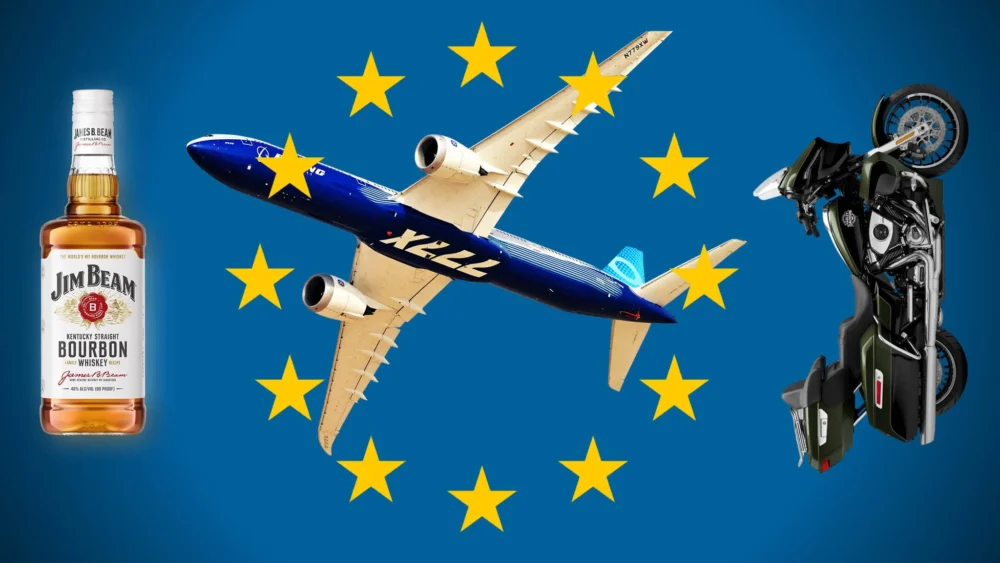
The European Union is poised to deploy a formidable €93 billion package of retaliatory tariffs against American goods, a strategic move signaling a significant escalation in transatlantic trade disputes and underscoring the bloc’s commitment to defending its economic interests on the global stage. This substantial financial figure represents the potential economic impact of tariffs that could be imposed across a wide spectrum of US exports, reflecting a calculated response to perceived unfair trade practices. The precise composition of these tariffs remains under careful consideration, but their activation would mark a pivotal moment in the ongoing dialogue, or lack thereof, between two of the world’s largest economic powers.
The genesis of this potential retaliatory action lies in a protracted and complex trade relationship characterized by persistent disagreements over various sectors, including but not limited to industrial goods, agricultural products, and increasingly, digital services and state subsidies. While the exact triggers and specific grievances leading to this €93 billion figure are multifaceted and have evolved over time, they generally revolve around concerns that certain US trade policies and practices disadvantage European industries and undermine the principles of fair competition. These concerns often manifest as complaints about protectionist measures, insufficient market access, and what the EU perceives as an uneven playing field. The European Commission, acting on behalf of its member states, has engaged in extensive consultations and analyses to determine the most effective and proportionate response, aiming to exert pressure on Washington to alter its trade policies while minimizing collateral damage to its own economy and consumers.
The €93 billion figure itself is not arbitrary; it is meticulously calculated to reflect the economic damage or disadvantage the EU believes it has suffered due to specific US actions. This figure likely represents the value of imports from the United States that the EU would target with its tariffs. The selection of goods and sectors to be included in this retaliatory list is a critical strategic decision. It involves a delicate balancing act, aiming to maximize pressure on the US administration and specific industries while simultaneously mitigating negative repercussions for European businesses that rely on US imports for their supply chains or for direct sale to consumers. The process of identifying these targeted goods often involves extensive consultation with industry stakeholders across the EU, gathering data on import volumes, value, and the economic significance of these products to various sectors.
Potential Sectors and Products Under Scrutiny:
While a definitive list remains proprietary information until officially announced, strategic analysis of past trade disputes and current economic sensitivities suggests several key areas where EU retaliatory tariffs could be concentrated. These are sectors where the US holds a significant export presence within the EU and where imposing tariffs could generate substantial economic leverage.
One prominent area of potential targeting would be American agricultural products. Historically, agricultural trade has been a persistent source of friction between the EU and the US, with disputes over subsidies, food safety standards, and market access. Products such as soybeans, corn, poultry, pork, and certain fruits and vegetables are significant US exports to the EU. Imposing tariffs on these items could directly impact American farmers and agricultural businesses, potentially leading to reduced export revenues and market share within the lucrative European market. The EU’s own Common Agricultural Policy (CAP) often influences its stance on agricultural imports, and retaliatory measures could be framed within the context of protecting European farmers from what are perceived as unfairly subsidized or competitively priced US imports.
Another crucial sector for consideration is American manufactured goods. This broad category encompasses a vast array of products, from automobiles and aircraft parts to machinery and consumer electronics. The automotive sector, in particular, has been a recurring theme in transatlantic trade discussions. Tariffs on imported US-made vehicles or components could have a significant ripple effect, impacting not only US manufacturers but also European assembly plants and supply chains that rely on these parts. Similarly, tariffs on industrial machinery or high-tech components could disrupt production processes for European industries, forcing them to seek alternative, potentially more expensive, suppliers.
The burgeoning digital economy and its associated goods and services also represent a potential arena for retaliatory measures. While direct tariffs on digital services are complex to implement, the EU could consider measures targeting hardware or software imports that are critical to the digital infrastructure and consumer market. This could include semiconductors, certain types of electronic devices, or software licenses originating from US companies. Such a move would underscore the EU’s growing assertiveness in shaping the regulatory landscape of the digital sphere and ensuring that global tech giants operate within a framework that aligns with European values and economic interests.
Furthermore, consumer goods represent another avenue for imposing tariffs. This could encompass a wide range of items, from clothing and footwear to household appliances and recreational equipment. While the direct impact of tariffs on individual consumer goods might appear less significant than on industrial products, a broad application across numerous categories could collectively create considerable pressure by increasing prices for European consumers and potentially impacting the sales volumes of US brands.
Strategic Rationale and Diplomatic Implications:
The decision to implement such a substantial retaliatory tariff package is not merely an economic reaction; it is imbued with significant strategic and diplomatic considerations. Firstly, it serves as a clear signal to the United States that the EU is prepared to defend its economic sovereignty and to retaliate against actions it deems detrimental to its interests. This assertive stance is crucial for maintaining the EU’s credibility as a global trade actor and for deterring future unilateral actions by trading partners.
Secondly, the scale of the €93 billion figure is intended to be impactful. It suggests that the EU has identified areas where US exporters are particularly vulnerable and where imposing tariffs would generate considerable economic pain, thereby incentivizing the US to negotiate or alter its policies. This approach reflects a sophisticated understanding of economic leverage, aiming to create a disincentive for continued contentious trade practices.
Thirdly, the timing and nature of the tariffs can be strategically employed as a negotiating tool. By holding the threat of these tariffs in reserve, or by gradually implementing them, the EU can use them to extract concessions from the US in ongoing trade dialogues. The activation of these tariffs would likely intensify diplomatic efforts, creating a sense of urgency to find a resolution and de-escalate the trade conflict.
However, the deployment of such measures is not without its risks. Retaliatory tariffs can lead to a tit-for-tat escalation, potentially triggering further retaliatory measures from the US. This could result in a damaging trade war, harming businesses and consumers on both sides of the Atlantic, disrupting global supply chains, and undermining the broader principles of free and fair trade. The EU will undoubtedly be carefully weighing these risks against the potential benefits of its proposed actions.
Navigating the Global Trade Landscape:
The EU’s potential resort to retaliatory tariffs highlights the evolving nature of global trade relations. In an era of increasing geopolitical complexity and a rise in protectionist sentiments in various parts of the world, blocs like the EU are increasingly looking to assert their influence and protect their economic interests through more robust and sometimes confrontational means. This move can be seen as part of a broader trend where economic policy is increasingly intertwined with national security and strategic objectives.
The World Trade Organization (WTO) framework, while still the overarching body governing international trade, has faced significant challenges in recent years, including paralysis in its dispute settlement mechanism. This has, in some instances, led trading blocs to consider unilateral or regional actions when they feel their rights are being infringed upon. The EU’s current stance may reflect a perception that the existing multilateral framework is insufficient to adequately address the specific trade challenges it faces with the United States.
Expert Analysis and Future Outlook:
From an analytical perspective, the EU’s strategy appears to be one of calibrated pressure. The €93 billion figure suggests a comprehensive assessment of potential impact, indicating a well-researched and strategically designed response. The specific selection of goods will be a key determinant of the ultimate effectiveness of these tariffs. Tariffs on goods with few readily available substitutes within the EU, or on products that are critical inputs for key European industries, would likely generate the most significant leverage.
The future outlook hinges on the response from Washington. If the US administration views these tariffs as a serious threat to its economic interests, it may be compelled to engage in more substantive negotiations. Conversely, a dismissive or aggressive response could lead to further escalation. The EU’s ability to maintain unity among its member states throughout this process will also be crucial. Disagreements within the bloc on the specific targets of the tariffs or the overall strategy could weaken its negotiating position.
Ultimately, the EU’s decision to deploy €93 billion in retaliatory tariffs is a high-stakes gamble. It reflects a determined effort to rebalance the economic relationship with the United States and to assert its position as a major global trading power. The success of this strategy will depend on a complex interplay of economic, diplomatic, and political factors, and its unfolding will be closely watched by trading partners and businesses worldwide. The implications extend beyond the immediate transatlantic dispute, shaping the broader trajectory of global trade governance and the methods by which nations seek to resolve economic disagreements in an increasingly challenging international environment.




 Lisa Mariana
 Aura Kasih

 Ayu Aulia