Ridwan Kamil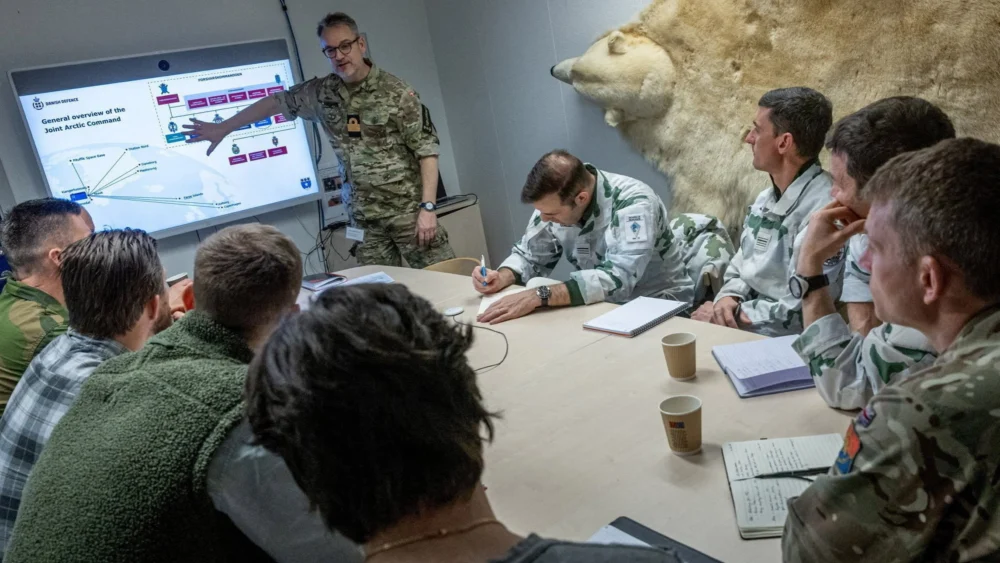
In a decisive move to counter potential economic coercion, European nations are rallying behind a robust trade strategy, urging the European Union to deploy its most formidable commercial leverage in response to President Trump’s audacious overtures towards Greenland. This escalating geopolitical maneuver, sparked by the US President’s expressed interest in acquiring the Arctic territory, has prompted a unified call from within the EU for a calibrated yet firm economic riposte, signaling a willingness to defend collective interests against unilateral actions that could destabilize regional trade dynamics and international norms.
The genesis of this diplomatic tension lies in President Trump’s reported discussions regarding the potential purchase of Greenland, a self-governing territory within the Kingdom of Denmark. While the specifics of these discussions remain opaque, the very notion of a sovereign entity being considered for acquisition by a foreign power has ignited significant alarm across Europe. This concern is amplified by the broader context of the Trump administration’s transactional approach to foreign policy and its propensity to leverage economic tools to achieve strategic objectives. For the European Union, a bloc built on principles of multilateralism and the rule of law, such a proposition is viewed not merely as a diplomatic impertinence but as a potential challenge to established international frameworks governing territorial integrity and sovereignty.
France, a key player within the EU and a nation with a strong historical commitment to international diplomacy, has emerged as a leading voice in advocating for a decisive European response. Paris is reportedly urging its EU counterparts to consider utilizing the bloc’s most potent trade weapons, a move that signifies a significant escalation in the EU’s defense of its economic and geopolitical interests. This strategic posture underscores a recognition that in the current global landscape, where economic power is increasingly intertwined with political influence, a strong and unified economic defense is paramount. The "trade weapon" in question likely refers to the EU’s extensive array of trade defense instruments, including tariffs, anti-dumping duties, and other protective measures designed to safeguard its internal market and respond to unfair trade practices.
The implications of President Trump’s interest in Greenland extend far beyond the immediate diplomatic friction. Greenland, with its vast mineral resources, strategic location, and potential as a gateway to the Arctic, represents a territory of considerable economic and geopolitical significance. Its acquisition could offer strategic advantages in terms of resource access, military positioning, and scientific research. However, any unilateral move to dislodge it from Danish sovereignty or to exert undue economic influence would inevitably create ripples across the international order, potentially emboldening other nations to pursue similar assertive policies.
The European Union’s proposed response is not merely reactive; it is a proactive assertion of its commitment to a rules-based international system. By signaling a readiness to deploy robust trade measures, the EU aims to send a clear message to the United States and any other potential actor that unilateral attempts to disrupt established international norms will be met with a united and economically significant opposition. This approach reflects a strategic understanding that economic interdependence, while a source of strength, can also be a vulnerability if not adequately protected. The EU’s trade policy is a cornerstone of its foreign policy, serving as a critical tool for promoting its values, ensuring fair competition, and protecting its economic prosperity.
The decision to consider employing the EU’s "most potent trade weapon" is a testament to the perceived gravity of the situation. This could involve a range of measures, from targeted sanctions against specific US entities or sectors to broader retaliatory tariffs on American goods. The precise nature of the response would, of course, depend on the specific actions taken by the US administration and the evolving diplomatic landscape. However, the mere contemplation of such measures indicates a significant shift in the EU’s strategic calculus, moving from a position of diplomatic dialogue to one of active economic defense.
The background context to this situation is crucial. The United States, under the Trump administration, has frequently expressed its dissatisfaction with existing trade agreements and has been willing to use tariffs and other trade restrictions as a primary tool of foreign policy. This has led to a series of trade disputes with various countries, including key US allies. The EU, while generally committed to free trade, has also been a target of US trade actions, prompting it to strengthen its own trade defense mechanisms. The current situation with Greenland can be seen as an extension of this broader trend, where economic leverage is being contemplated as a means to achieve geopolitical objectives.
Furthermore, the strategic importance of the Arctic region itself cannot be overstated. As climate change alters the Arctic landscape, new shipping routes are opening, and access to previously inaccessible natural resources is becoming a reality. This has led to increased interest from various global powers, including Russia, China, and the United States, in asserting their influence in the region. Greenland, with its strategic location between North America and Europe and its significant Arctic coastline, is a key piece in this geopolitical puzzle. Any change in its status or governance could have far-reaching implications for regional stability and security.
The EU’s internal deliberations on this matter are likely to involve a complex interplay of national interests and collective solidarity. While France has taken a leading role in advocating for a strong response, other member states may have differing perspectives and priorities. However, the principle of defending the territorial integrity of a member state (Denmark) and upholding the rule of international law is likely to resonate across the bloc. The EU’s strength lies in its ability to act in concert, and a unified response, even if it involves difficult economic decisions, would send a powerful signal of European resolve.
The potential economic consequences of such a trade war, should it materialize, are significant for all parties involved. The EU is a major trading partner for the United States, and retaliatory measures could lead to substantial economic disruption. Conversely, the US economy would also be impacted by any punitive trade actions taken by the EU. The ultimate aim of the EU’s proposed strategy would be to deter any further assertive actions by the US and to ensure that any discussions regarding Greenland are conducted within the framework of established international law and with full respect for Danish sovereignty.
Beyond the immediate trade implications, this situation also highlights the broader challenge of navigating a global environment characterized by increased geopolitical competition and the resurgence of great power politics. The EU, as a significant economic and political bloc, has a vested interest in promoting a stable and predictable international order. Any actions that undermine this order, whether through economic coercion or the disregard of international norms, pose a direct threat to the EU’s own interests and values.
The proposed European response, therefore, is not just about Greenland; it is about setting a precedent and demonstrating that the EU is prepared to defend its principles and its economic sovereignty in the face of external pressures. It is a strategic calculation aimed at managing risk and shaping the geopolitical landscape in a way that is conducive to European interests. The effectiveness of this strategy will depend on the EU’s ability to maintain unity, to calibrate its response appropriately, and to communicate its intentions clearly to all relevant parties.
In conclusion, France’s call for the European Union to deploy its most potent trade weapons in response to President Trump’s overtures towards Greenland represents a critical juncture in EU-US relations and a significant development in Arctic geopolitics. This move signals a firm commitment by Europe to uphold international law and to counter economic coercion with robust trade defenses. The implications of this evolving situation are profound, underscoring the interconnectedness of trade, security, and sovereignty in the 21st century and the EU’s determination to assert its role as a significant global actor capable of safeguarding its interests and defending its principles on the international stage. The coming weeks and months will be crucial in observing how this diplomatic and economic standoff unfolds and what precedent it sets for future international relations.



 Aura Kasih
 Lisa Mariana
 Ayu Aulia