Aura Kasih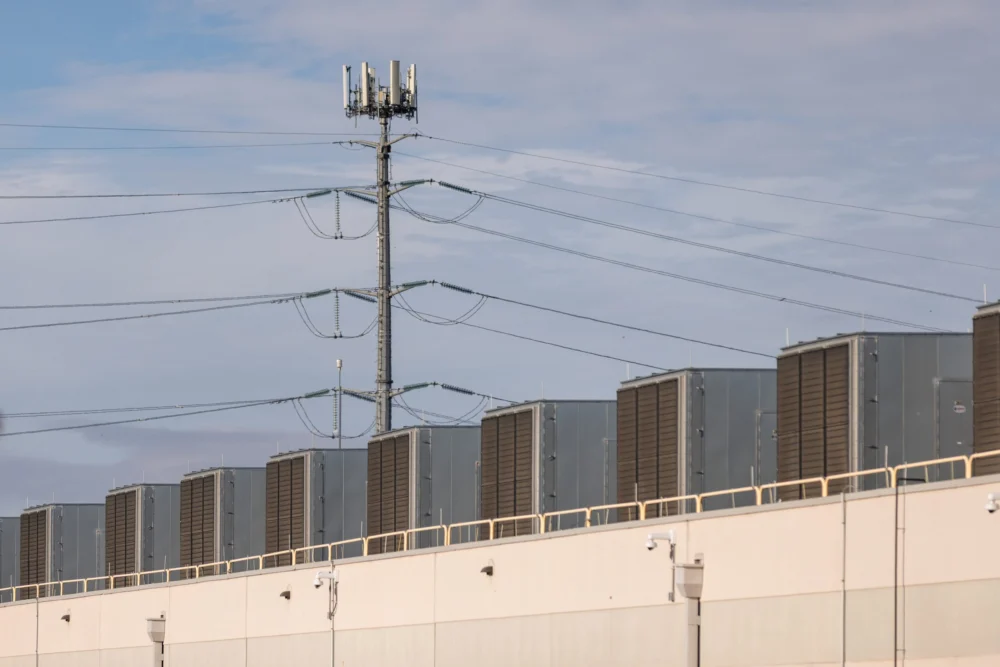
A significant political and economic confluence is emerging across the Mid-Atlantic region, with former President Donald Trump and a coalition of bipartisan governors issuing a forceful directive to the PJM Interconnection, the nation’s largest wholesale electricity market operator. Their collective objective is to compel major technology firms to shoulder a substantial portion of the financial burden for constructing new power generation infrastructure and to contribute to the content that increasingly strains existing energy grids. This initiative is framed as a critical response to the burgeoning electricity demands fueled by artificial intelligence and the concurrent public outcry over escalating utility costs, a sentiment amplified by the rapid expansion of data centers.
The core of this multifaceted push involves a proposal for PJM to conduct a specialized, long-term power procurement auction. This auction would seek commitments for electricity supply over 15-year contracts, a departure from standard market practices. The extended duration of these agreements is intended to provide the financial certainty necessary for developers to undertake the significant capital investments required for new power plants. Proponents argue that this mechanism will not only facilitate the construction of essential energy infrastructure but also mitigate the proliferation of speculative grid connection requests, often associated with the rapid deployment of data centers for AI operations. The underlying concern is that the insatiable appetite of AI for computing power is outpacing the grid’s ability to supply reliable and affordable electricity, creating a volatile energy landscape.
This coordinated effort is rooted in the escalating tension between technological advancement and energy infrastructure resilience. The explosive growth of artificial intelligence has placed unprecedented demands on electricity grids, particularly in regions with a high concentration of data centers. This surge in demand has, in turn, contributed to rising electricity rates, igniting widespread public dissatisfaction and drawing the attention of lawmakers and the technology companies themselves. The Mid-Atlantic region, encompassing 13 states and the District of Columbia, is particularly susceptible to these pressures due to its extensive network of data centers, notably in Virginia, a hub for such facilities.
The PJM Interconnection’s operational territory is vast, covering a significant portion of the United States’ electrical infrastructure. The governors of these affected states, including prominent Democrats such as Josh Shapiro of Pennsylvania and Wes Moore of Maryland, have joined forces with key figures from the former Trump administration, including Secretary of the Interior Doug Burgum and Secretary of Energy Chris Wright. Their unified statement outlines a shared vision for addressing the energy challenges posed by the AI revolution. While the Department of Energy has publicly championed the idea that data centers should bear a greater share of the costs for new generation capacity, emphasizing that these entities should contribute more than residential consumers, the practical implementation of such mandates faces inherent complexities. The DOE’s stance is that PJM should assign the costs of new infrastructure to data centers unless they invest in their own power generation facilities or commit to reducing their energy consumption during periods of peak demand. The projected financial impact of this proposed auction is substantial, with estimates suggesting it could catalyze up to $15 billion in new power generation capacity.
However, the path forward is not without its obstacles. Reports indicate that neither the White House nor the participating governors possess the unilateral authority to mandate that PJM conduct such an auction. The decision-making authority ultimately rests with PJM’s independent market operator structure. Furthermore, the absence of PJM’s direct involvement in the announcement proceedings suggests a potential disconnect in the strategic alignment between policymakers and the operational entity responsible for grid management. This dynamic underscores the intricate interplay between political will, regulatory frameworks, and market-driven operational decisions that will shape the future of energy infrastructure development.

The political landscape surrounding energy policy has been notably polarized. While the former Trump administration has historically advocated for a resurgence of fossil fuel sources, including coal, natural gas, and nuclear power, it has also been characterized by efforts to impede the development of renewable energy technologies such as wind and solar farms. These renewable sources have, in recent years, represented the fastest-growing segments of new electricity generation in the United States. This juxtaposition of policies raises questions about the long-term energy strategy and the balance between traditional and emerging energy sources. The current push for massive power plant construction, potentially including fossil fuel-based facilities, amidst a backdrop of increasing renewable energy deployment, presents a complex and evolving energy transition narrative.
The ramifications of this initiative extend beyond the immediate concerns of power generation. The concept of "content" in the context of energy demands, as mentioned in the title, likely refers to the specific types of energy services and their associated impacts that technology companies, particularly those operating data centers, utilize. This could encompass the very nature of the computing workloads, the efficiency of the hardware, and the energy intensity of the operations. The call for tech companies to "pay for content" could be interpreted as a demand for them to internalize the externalities of their energy consumption, perhaps by investing in energy-efficient technologies, supporting grid modernization efforts that enhance flexibility, or even contributing to the development of localized energy storage solutions.
The underlying economic rationale for this approach is rooted in the principle of cost allocation. As electricity grids grapple with the strain of high-demand users, a debate is intensifying over who should bear the financial responsibility for necessary upgrades and expansions. The argument is that entities driving the most significant increases in demand, such as large-scale data centers supporting AI, should contribute proportionally more to the infrastructure that supports their operations. This principle is often framed as a matter of fairness and economic sustainability, aiming to prevent the costs from being disproportionately borne by residential consumers or smaller businesses. The potential for substantial investment in new power generation capacity, estimated in the billions of dollars, highlights the scale of the challenge and the ambition of the proposed solutions.
The broader implications of this proposed energy auction and the associated demands on technology companies are far-reaching. For the technology sector, it represents a potential increase in operational costs, which could be passed on to consumers in the form of higher prices for digital services. However, it also presents an opportunity for innovation in energy efficiency and the development of more sustainable data center operations. Companies that proactively invest in renewable energy sourcing, advanced cooling technologies, and intelligent energy management systems may find themselves better positioned to navigate these evolving regulatory and economic landscapes.
From a policy perspective, this initiative signals a growing recognition of the need for proactive grid planning and investment in the face of rapid technological change. The reliance on long-term contracts in the proposed auction is a strategic move designed to de-risk large-scale infrastructure projects, a common challenge in the energy sector. This approach could accelerate the deployment of both traditional and, potentially, advanced energy technologies. However, careful consideration will be required to ensure that such investments align with broader climate goals and do not inadvertently lock in reliance on carbon-intensive energy sources. The successful implementation of this strategy will necessitate a delicate balance between incentivizing investment, ensuring grid reliability, and promoting environmental sustainability.
The future outlook for energy markets in the Mid-Atlantic and beyond will likely be shaped by the outcomes of these ongoing discussions and policy developments. The interplay between political pressure, market dynamics, and technological innovation will determine the pace and direction of grid modernization. As AI continues its exponential growth, the demand for electricity will remain a critical factor in its deployment. The ability of policymakers and industry stakeholders to forge effective partnerships and implement sustainable solutions will be paramount in ensuring that the benefits of technological advancement are realized without compromising energy security or affordability for all consumers. The coming months and years will be crucial in observing how this complex interplay of forces unfolds, potentially setting a precedent for energy policy in other regions facing similar challenges.




 Lisa Mariana
 Ayu Aulia