Aura Kasih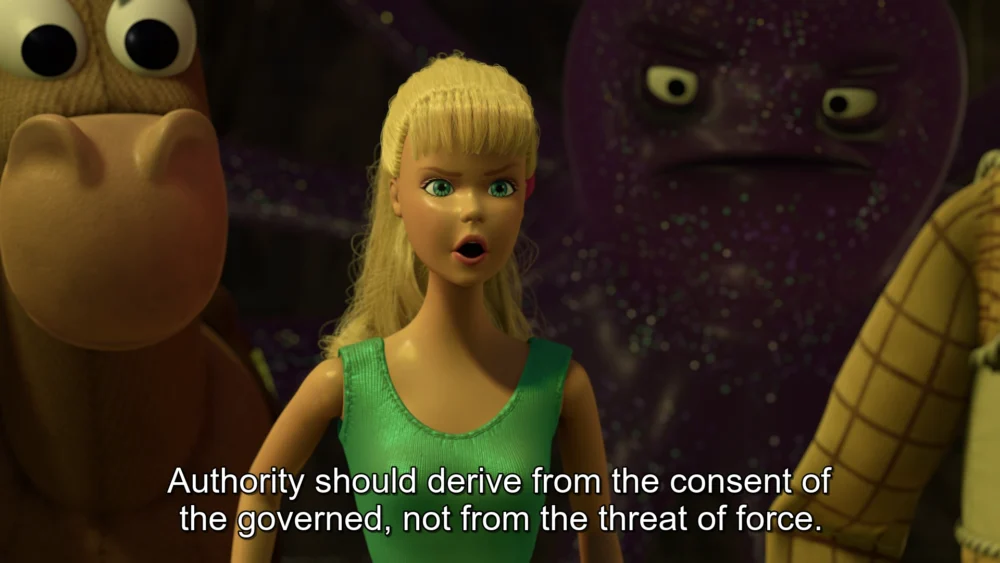
In a swift and telling maneuver, a popular social media post initiated by Disney, intended to spark engagement with its vast catalog of beloved characters and narratives, was abruptly removed after users overwhelmingly responded with quotes espousing anti-fascist sentiments drawn directly from the company’s own films. This incident offers a compelling case study in the complex interplay between corporate branding, public discourse, and the inherent messaging embedded within creative content, particularly in an era of heightened political polarization.
The original prompt, a seemingly innocuous invitation to share a Disney quote that resonated with current feelings, was intended to foster a sense of lighthearted connection and brand loyalty. However, the digital community, demonstrating a keen awareness of both contemporary socio-political climates and the thematic underpinnings of Disney’s extensive filmography, seized the opportunity to articulate a potent collective sentiment. Replies flooded in, drawing from iconic lines and poignant dialogue found in franchises as diverse as the galaxy-spanning narratives of Star Wars to the moral quandaries presented in The Hunchback of Notre Dame, and even the seemingly innocent wisdom of Mary Poppins. The common thread weaving through these user-generated contributions was an unmistakable, and often quite direct, rejection of authoritarian and oppressive ideologies, framed through the lens of characters and stories that have long occupied a significant place in global popular culture.
The rapid deletion of Disney’s post suggests a strategic decision by the company to distance itself from the anti-fascist discourse that had been amplified through its own intellectual property. This action raises critical questions about Disney’s brand management strategy and its perceived tolerance for political commentary, even when that commentary is organically generated and directly linked to its own creative output. In a landscape where brands are increasingly scrutinized for their stances on social and political issues, Disney’s response indicates a preference for neutrality, or perhaps a cautious avoidance of potential controversy that could alienate significant segments of its audience or impact its business relationships.
The phenomenon of users weaponizing a brand’s own content to express political viewpoints is not entirely novel, but its manifestation through a major global entertainment conglomerate like Disney carries particular weight. Disney’s films and characters have historically served as vehicles for transmitting moral lessons, cultural values, and often, subtle critiques of societal injustices. The very narratives that have defined childhoods and shaped cultural understanding for generations contain within them a rich tapestry of messages concerning courage, justice, and the fight against tyranny. When these messages are so readily invoked in a contemporary political context, it highlights a potential disconnect between the aspirational ideals often presented by the brand and the company’s practical approach to public engagement.
The decision to delete the thread can be interpreted through several analytical frameworks. From a risk management perspective, the company may have perceived the growing volume of anti-fascist quotes as a potential threat to its brand equity. In an environment where boycotts and public criticism can significantly impact revenue, Disney might have prioritized avoiding any perception of political alignment that could alienate conservative audiences or lead to backlash from political factions. This approach aligns with a broader trend in corporate communications, where many large organizations strive to maintain a non-partisan image to maximize market reach and minimize public relations crises.

Alternatively, the deletion could signal an internal struggle to reconcile the thematic resonance of its storytelling with the contemporary political realities and the company’s operational imperatives. For decades, Disney has cultivated an image of wholesome family entertainment, often characterized by clear distinctions between good and evil. The application of these archetypal narratives to complex, real-world political struggles, particularly those involving ideologies like fascism, may have presented an uncomfortable challenge for a brand that typically avoids explicit political endorsements. The ease with which users found and deployed these quotes underscores the enduring power of Disney’s storytelling to resonate with universal themes of morality and resistance.
The implications of this incident extend beyond a single social media post. It serves as a potent reminder of the evolving nature of brand engagement in the digital age. Consumers are no longer passive recipients of corporate messaging; they are active participants who can leverage platforms to shape narratives and challenge brand positioning. The ability of users to quickly extract and repurpose content from Disney’s vast library demonstrates the inherent and often unintended messaging embedded within creative works. This content, once released into the public sphere, takes on a life of its own, subject to interpretation and application by diverse audiences with their own agendas and perspectives.
Furthermore, the incident prompts reflection on the role of corporations in public discourse. While many companies espouse values such as inclusivity, justice, and progress, their actions in the face of public pressure can sometimes reveal a more cautious, risk-averse stance. Disney’s response, by opting for removal rather than engagement, suggests a prioritization of brand protection over the amplification of potentially controversial, albeit popular, user-generated content. This approach, while understandable from a business standpoint, may leave some consumers questioning the authenticity of the values promoted by the brand.
Looking ahead, this event may influence how other large corporations approach social media engagement, particularly concerning prompts that invite open-ended responses. The incident highlights the critical need for comprehensive social media governance and a nuanced understanding of audience engagement strategies. Companies must anticipate the potential for their platforms to become vectors for political expression and develop protocols for managing such situations proactively, rather than reactively. This could involve more careful crafting of initial prompts, establishing clear community guidelines, or even developing a framework for engaging with, rather than silencing, user-generated content that aligns with broader company values, even if it touches upon sensitive topics.
The archive of the deleted thread, preserved by a user, serves as a historical record of this digital moment. It illustrates how cultural artifacts, in this case, Disney’s cinematic legacy, can be recontextualized and utilized to express contemporary concerns. The human world, as famously declared in a quote from Wall-E, is indeed a complex and often messy place, and the ways in which we engage with media and express our collective sentiments are constantly evolving. Disney’s swift deletion of the thread, while a strategic corporate decision, inadvertently amplified the very message it sought to suppress, by demonstrating a clear apprehension towards the powerful, and perhaps inconvenient, anti-fascist spirit embedded within its own iconic storytelling. This incident underscores the ongoing tension between corporate interests, artistic expression, and the dynamic, often unpredictable, nature of public opinion in the digital sphere.


 Lisa Mariana
 Ayu Aulia