Aura Kasih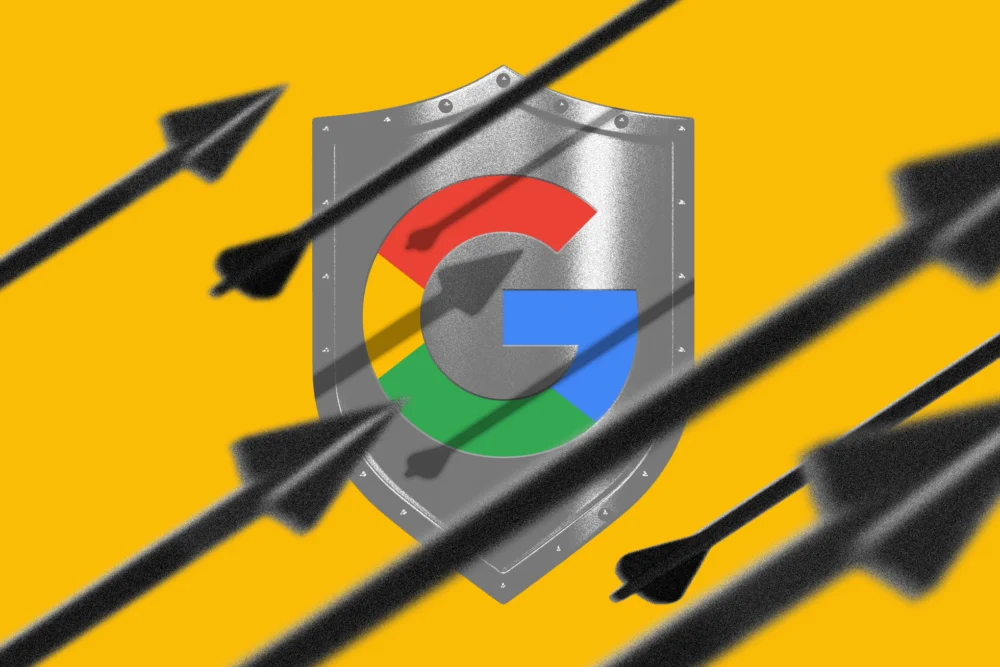
A cascade of high-profile media conglomerates, including The Atlantic, Vox Media, and Penske Media, have initiated significant antitrust litigation against Google, alleging that the technology behemoth has wielded its market power to unlawfully monopolize the digital advertising technology landscape, thereby diminishing revenue streams crucial for journalistic endeavors. This wave of lawsuits follows closely on the heels of a pivotal antitrust victory for the U.S. Department of Justice, which successfully argued that Google had engaged in anticompetitive practices within the digital ad tech ecosystem.
The legal challenges brought forth by these esteemed media organizations are not merely individual grievances; they represent a consolidated front against what is perceived as a systemic exploitation of publishers. At the core of their claims is the assertion that Google’s alleged monopolistic control over key components of the digital advertising supply chain has unfairly depressed the value of publisher inventory, siphoning off profits that would otherwise be reinvested in the creation of high-quality journalism. Vox Media, parent company to prominent outlets like The Verge, explicitly stated in its legal filings that Google’s alleged misconduct has curtailed its ability to offer a greater volume of premium ad placements and, consequently, to produce more robust and impactful journalism.
The legal offensive is spearheaded by formidable entities within the media landscape. The Atlantic, a publication with a storied history of in-depth reporting and analysis, has lodged its suit in the Southern District of New York, a venue also chosen by Vox Media. Adding significant weight to this collective action is Penske Media, a substantial investor in Vox Media and proprietor of a portfolio of influential brands such as Rolling Stone, Billboard, and The Hollywood Reporter. The presence of Penske Media, an entity with its own vested interests and extensive reach across various media sectors, underscores the broad-based concern regarding Google’s market practices. These publishers are seeking to recover damages, which they contend represent the illicit monopoly profits accrued by Google at their expense.
The legal arguments presented by these media organizations are deeply intertwined with the technical intricacies of the digital advertising market. Publishers contend that Google’s alleged stranglehold on the market for publisher ad servers—software essential for managing and selling ad space on websites—has effectively created insurmountable barriers to entry for any potential competitors. This dominance, they argue, grants Google the power to unilaterally set prices for advertising inventory, pushing rates below what a competitive market would dictate. The consequence is a significant reduction in revenue for publishers, who find themselves with diminished bargaining power and little ability to negotiate equitable terms for the sale of their ad space. The lawsuits uniformly cite violations of federal antitrust statutes and New York business law, reflecting a shared legal strategy aimed at dismantling Google’s alleged anticompetitive structure.
The foundation for this current wave of litigation was laid by a landmark ruling in early 2025, handed down by Judge Leonie Brinkema of the Eastern District of Virginia. In her decision, Judge Brinkema found that the Department of Justice had successfully demonstrated Google’s illegal monopolization of the markets for publisher ad servers and ad exchanges, the platforms that facilitate the complex transactions between advertisers and publishers. Crucially, the ruling also established that Google had engaged in illegal "tying" practices, bundling these services in a manner that made it exceedingly difficult for publishers to migrate to alternative providers. While the judge ruled in favor of Google on the count pertaining to advertiser-side buying tools, the broader implications of the ruling concerning the publisher-facing aspects of Google’s ad tech business have emboldened the media plaintiffs.
Lauren Starke, Head of Communications at Vox Media, articulated the company’s position with clarity, stating, "Vox Media’s high-quality journalism is funded by our ability to sell digital advertising against our content, and by engaging in over a decade of anticompetitive and unlawful behavior, Google has deprived Vox Media of this revenue." She further emphasized the dual objectives of their legal action: "In filing this lawsuit, we are seeking monetary damages and an end to Google’s deceptive and manipulative practices in order to protect our ability to continue investing in the trusted content that our audience relies upon." This statement highlights the direct link between Google’s alleged market manipulation and the financial health and operational capacity of journalistic enterprises.
Google, through spokesperson Jackie Berté, has vehemently denied the allegations, characterizing them as "meritless." Berté maintained that "Advertisers and publishers have many choices and when they choose Google’s ad tech tools it’s because they are effective, affordable and easy to use." This defense suggests that Google views its market position as a result of superior product offerings and customer preference rather than anticompetitive conduct. Representatives for The Atlantic and Penske Media have not yet issued public statements in response to requests for comment, indicating a strategic pause as their legal proceedings advance.
The ongoing judicial process is far from concluded. Judge Brinkema is expected to render a decision later this year on the second phase of the trial, which will address the remedies required to restore competition to the ad tech markets that Google has been found to have monopolized. The potential outcomes are wide-ranging, encompassing the imposition of stringent behavioral restrictions on Google’s operations, or, in a more drastic scenario, the forced divestiture of its ad tech business. Such a structural remedy, akin to a breakup, would represent a seismic shift in the digital advertising landscape and could fundamentally alter the competitive dynamics for publishers and advertisers alike.
The implications of these lawsuits extend beyond the immediate financial stakes for the involved media companies. They speak to a broader concern about the concentration of power in the digital economy and its impact on industries that are vital to public discourse and cultural production. The ability of publishers to fund in-depth reporting, investigative journalism, and diverse forms of content creation is directly tied to their capacity to monetize their audiences. When a single entity exerts undue influence over the mechanisms of digital advertising, it can have a chilling effect on innovation and diversity within the media ecosystem.
Furthermore, the technical nature of ad tech, often opaque to the public, is brought into sharp relief by these legal battles. The functionality of ad servers, the role of ad exchanges, and the intricate auction processes that determine ad placement and pricing are critical components of the online economy. By shining a light on these mechanisms, the lawsuits aim to demystify them and expose how alleged anticompetitive practices can have tangible consequences for the businesses that rely on them.
The success of the Department of Justice’s initial case has undoubtedly provided a powerful precedent and a significant impetus for private litigation. It suggests a growing willingness on the part of regulators and the judiciary to scrutinize and challenge the market dominance of major technology platforms. The coordinated efforts of The Atlantic, Vox Media, and Penske Media, along with other publishers and ad tech providers who have also filed suit, signal a united front against what they perceive as an unsustainable and detrimental status quo in digital advertising.
The future of digital advertising and the financial viability of independent media organizations may well hinge on the outcomes of these protracted legal disputes. The rulings will not only determine Google’s financial liability and future conduct but could also set new precedents for antitrust enforcement in the digital age, influencing how competition is defined and protected in rapidly evolving technological markets. The broader impact could ripple through the entire digital economy, affecting how content is created, distributed, and monetized for years to come.




 Lisa Mariana
 Ayu Aulia