Lisa Mariana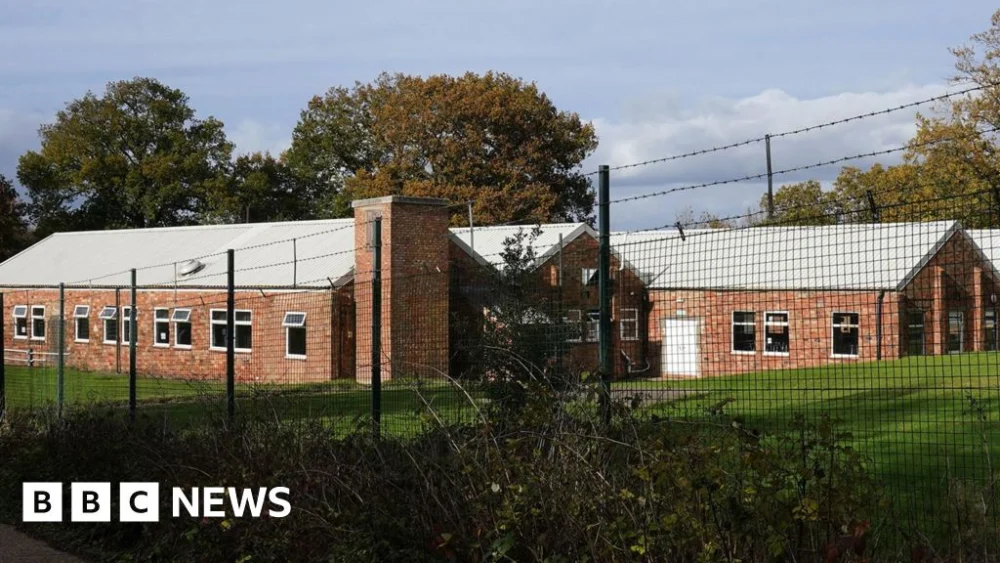
The recent operationalisation of the former military facility in Crowborough, East Sussex, for accommodating individuals seeking asylum signifies a critical juncture in the government’s evolving strategy for managing migrant flows within the United Kingdom. This initiation saw the arrival of a cohort of two dozen and seven male asylum applicants, marking the preliminary phase of a larger scheme projected to eventually house upwards of five hundred individuals within the refurbished confines of the site. This move, according to governmental pronouncements, represents a fundamental component of its overarching commitment to phase out the reliance on costly commercial hotel lodgings, a policy framework that has become a significant point of contention and financial burden.
The decision to transition towards large-scale, purpose-specific accommodation sites like Crowborough is deeply embedded within a broader national policy agenda aimed at reforming the immigration system. This strategic pivot is framed by authorities as essential for addressing the perceived "pull factors" that encourage irregular migration towards the UK and for establishing a more controlled and fiscally responsible framework for processing asylum claims. Senior ministerial figures have articulated a clear intent to replicate this model across multiple locations, with the stated objective of progressively closing all hotel-based accommodations and reintegrating those properties into their respective local communities.
Historically, the UK’s asylum system has faced escalating pressures, particularly in recent years, leading to an unprecedented reliance on temporary accommodation solutions. The previous administration saw the number of hotels utilized for asylum seekers surge to over 400 nationwide, incurring an extraordinary daily expenditure that reportedly reached £9 million. This translated into an annual cost exceeding £3.2 billion, a figure that consistently drew criticism from various political and public spheres. While current governmental figures indicate a reduction in hotel usage to under 200 sites and a 15% decrease in overall asylum-related costs, the sustained financial outlay remains a significant driver for the current policy shift towards more centralized, government-controlled facilities.
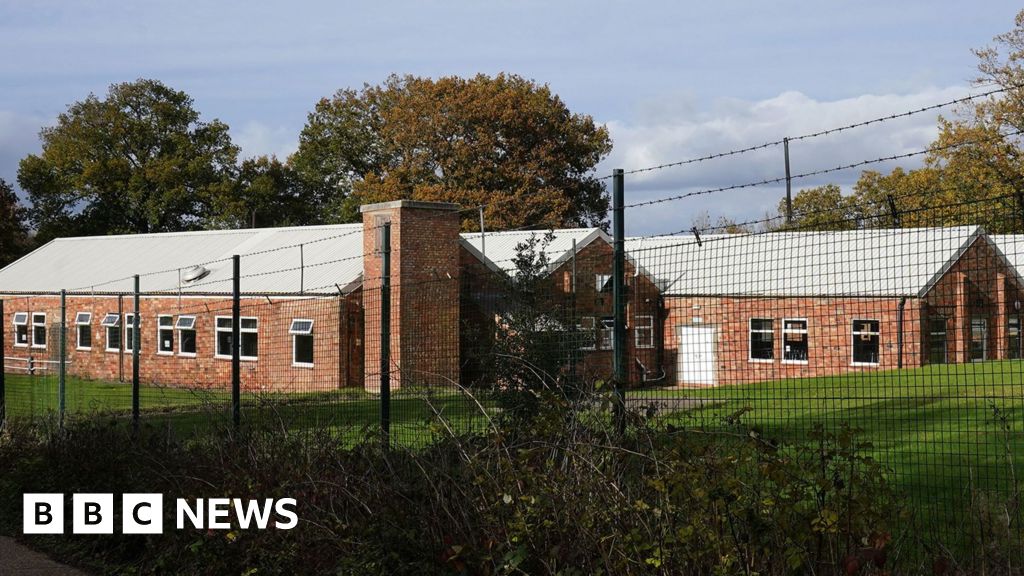
The Crowborough site itself, a former military training camp, represents a tangible manifestation of this revised approach. Its transformation into a residential facility for asylum applicants highlights the government’s determination to utilize existing public estate assets rather than continue with commercial rentals. The initial intake of individuals will be expanded over time, gradually increasing the site’s capacity to its full intended occupancy. The barracks-style buildings, now repurposed, feature communal living arrangements, including dorm-style sleeping quarters, as depicted in images circulated by the relevant government department. This model, while potentially offering economies of scale, raises important considerations regarding privacy, individual welfare, and the psychosocial impact of communal living on vulnerable individuals. Notably, the location has prior experience in hosting displaced populations, having accommodated Afghan families evacuated during the 2021 withdrawal from Kabul, providing a precedent for its use as a temporary residential hub.
However, the implementation of this policy has not been without significant local opposition and controversy. From the initial announcement of the plans, which had previously been subject to delays, the proposal for Crowborough has been met with considerable apprehension and organized protests from residents and local governance bodies. The leader of Wealden District Council, while acknowledging the operational reality, publicly expressed reservations regarding the suitability of the decision. Despite these concerns, he underscored the necessity for the community to adapt and extend support, drawing parallels with previous efforts to integrate Afghan and Ukrainian refugee families into the local fabric. This sentiment reflects a delicate balance between principled opposition and pragmatic engagement with a nationally imposed directive.

A primary source of friction has been the perceived lack of transparent and adequate engagement from central government authorities with the local community. The deputy leader of Wealden District Council highlighted this communication deficit, asserting that the absence of detailed information and open dialogue had fostered an environment ripe for anxiety, speculation, and the dissemination of inaccurate information among residents. This lack of pre-emptive community consultation is often cited as a critical factor in escalating local resistance to national projects, particularly those involving sensitive social issues. The atmosphere surrounding the site’s activation was palpable, marked by a substantial police presence and observations of transport vehicles arriving under the cover of darkness during the early hours of its operational commencement.
The concerns voiced by local residents extend beyond mere procedural grievances. Individuals residing in close proximity to the former camp have articulated profound feelings of betrayal and distrust regarding governmental assurances. These sentiments underscore a broader challenge in maintaining public confidence when significant policy shifts are enacted without robust local consensus. The community’s apprehension encompasses a range of issues, from potential impacts on local services such as healthcare, education, and transportation infrastructure, which may already be operating at capacity, to worries concerning public safety and the overall character of the locale. While some voices within the community have advocated for a compassionate approach to the asylum seekers, the dominant narrative emerging from local groups has focused on the perceived negative externalities of the project.
In response to these deep-seated concerns, a local residents’ collective, Crowborough Shield, initiated legal proceedings against the governmental plans in late December. This group, identifying itself as a non-political advocacy organization, stated that despite consistent and lawful efforts to convey community concerns to senior government officials, their pleas had been disregarded. A spokesperson for the group asserted that the operational costs associated with housing asylum seekers in large-scale camps could potentially exceed those of hotel accommodations, especially when factoring in the complex logistics, heightened security requirements, and the need for comprehensive support services. Furthermore, they argued that the concentration of larger numbers of individuals in a single location could amplify the impact on surrounding communities, creating intensified pressure points rather than alleviating them. This counter-narrative directly challenges the government’s stated rationale of cost-effectiveness and reduced community impact.

The government, for its part, has sought to reassure the public regarding the security and operational integrity of the Crowborough site. Official statements emphasize the implementation of "robust safety and public protection safeguards," including specialized on-site security personnel and continuous 24/7 CCTV surveillance. Furthermore, it has been asserted that all individuals accommodated at the facility undergo thorough screening against policing, criminality, and immigration databases prior to their arrival, aiming to mitigate any potential security risks. These assurances are critical in addressing local anxieties but frequently face skepticism from those who feel their concerns have not been adequately addressed in the planning phase.
The political ramifications of this policy are also considerable. Opposition figures have seized upon the Crowborough development as a point of criticism against the incumbent administration. A prominent shadow minister from the opposition Conservative party characterized the situation as a "day of shame," further alleging that the government’s decision had led to the displacement of military and air force cadets who traditionally utilized the site for training purposes. This accusation highlights the broader political contestation surrounding resource allocation and national priorities. Concurrently, local parliamentary representatives, such as the Member of Parliament for Sussex Weald, have expressed dissatisfaction with the government’s purported failure to provide substantiating evidence demonstrating the site’s "safe, legal, and compliant" status for its intended use. Such criticisms underscore the challenges faced by the government in securing cross-party and local political buy-in for its controversial asylum policies. The claim that the Crowborough camp had previously been deemed unsuitable for such purposes further complicates the narrative, suggesting a potential lack of consistency or transparency in decision-making processes.
Looking ahead, the Crowborough initiative is poised to serve as a bellwether for the government’s broader strategy to overhaul asylum accommodation. The successful scaling of the site to its full capacity and its long-term operational viability will be closely scrutinized. The ongoing legal challenges, alongside persistent local activism, indicate that the transition will likely remain contentious. The core tension between the government’s imperative for cost reduction and migration control, and the humanitarian and community integration concerns, will continue to define the discourse. The efficacy of these large-scale accommodation sites in genuinely deterring irregular migration or streamlining the asylum process remains a subject of expert debate. Critics often point to potential negative impacts on the well-being of asylum seekers, including isolation, limited access to legal and social support, and the psychological toll of institutional living. As the UK grapples with complex global migration patterns, the Crowborough model represents a significant, albeit controversial, step in recalibrating its domestic response. The journey towards closing all hotel-based asylum accommodations, as pledged by the Home Secretary, is a formidable undertaking, fraught with logistical, financial, and socio-political complexities that will undoubtedly shape the national conversation on immigration for the foreseeable future.




 Aura Kasih
 Ayu Aulia