Ridwan Kamil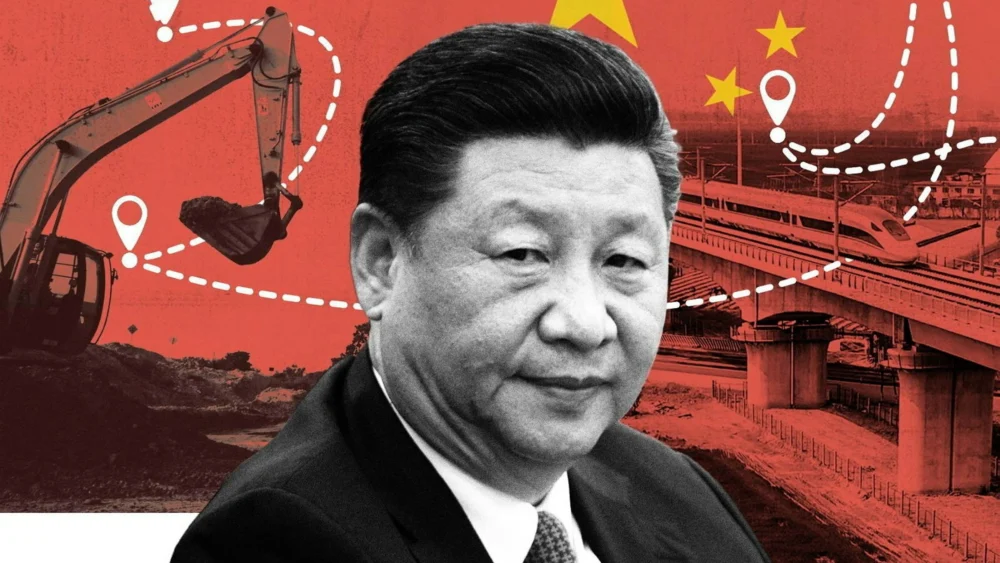
Beijing is significantly intensifying its financial backing for the Belt and Road Initiative, a sprawling network of infrastructure projects, signaling a strategic move to secure vital global resources and expand its economic influence across continents. This heightened investment underscores the initiative’s evolution from a purely developmental endeavor to a powerful instrument of geopolitical and economic strategy, aimed at reshaping international trade routes and securing access to raw materials essential for China’s continued growth.
The Belt and Road Initiative (BRI), launched by President Xi Jinping in 2013, has rapidly transformed from an ambitious vision into a tangible, albeit complex, global undertaking. Initially presented as a project focused on connectivity and infrastructure development, facilitating trade and economic cooperation between China and over 150 countries and international organizations, the BRI’s financial architecture has become increasingly sophisticated and strategically directed. Recent reports indicate a substantial uptick in financing directed towards BRI projects, with a discernible emphasis on sectors critical to global resource supply chains. This surge in investment suggests a deliberate strategy by Beijing to leverage the initiative not only for infrastructure development but also as a primary mechanism for securing access to energy, minerals, and agricultural commodities that fuel China’s vast industrial engine and burgeoning economy.
The sheer scale of the BRI is unprecedented. Spanning land and maritime routes, it aims to create a vast network of infrastructure, including ports, railways, roads, pipelines, and telecommunications systems, connecting Asia with Europe, Africa, and beyond. While the stated goals revolve around fostering economic growth, reducing poverty, and enhancing regional integration, the underlying strategic imperatives are becoming increasingly apparent. For a nation with an insatiable demand for raw materials to sustain its manufacturing prowess and growing domestic consumption, securing reliable and diversified sources of these resources is paramount. The BRI’s expansive reach provides Beijing with an unparalleled opportunity to forge deeper economic ties with resource-rich nations, often in exchange for infrastructure development, thereby creating a symbiotic relationship that benefits both parties, but with a clear strategic advantage for China.
The financing mechanisms underpinning the BRI are multifaceted, involving state-owned banks, development funds, private sector investments, and multilateral institutions. However, the primary engine has been Chinese policy banks such as the China Development Bank and the Export-Import Bank of China, alongside the Silk Road Fund. These institutions have been instrumental in channeling trillions of dollars into projects across the participating countries. The recent increase in financial commitments signals a renewed commitment from Beijing, potentially in response to evolving global economic conditions, increased competition for resources, and a desire to solidify its influence in key strategic regions. This financial infusion is not merely about funding construction; it is a strategic deployment of capital designed to lock in long-term resource supply agreements and build economic dependencies that align with China’s national interests.
A closer examination of the types of projects receiving increased funding reveals a clear pattern. Investments are increasingly flowing into sectors such as mining, oil and gas exploration, renewable energy infrastructure, and large-scale agricultural ventures. Countries rich in copper, cobalt, lithium, rare earth elements, and hydrocarbons are becoming focal points for BRI financing. For instance, BRI-funded projects in Central Asia are securing access to vast reserves of oil and gas, while investments in Africa are targeting critical minerals essential for the production of electric vehicle batteries and advanced electronics. Similarly, agricultural projects in Southeast Asia and Latin America are aimed at bolstering food security for China and diversifying its sources of essential commodities. This strategic allocation of capital underscores a move beyond the initial phase of general infrastructure development towards a more targeted approach focused on resource acquisition and supply chain resilience.
The implications of this intensified resource grab are far-reaching. For participating countries, the BRI offers much-needed capital for infrastructure development, which can stimulate economic growth, create jobs, and improve connectivity. However, it also raises concerns about debt sustainability, environmental impact, and the potential for increased economic and political dependence on China. Many developing nations, eager for investment, may find themselves entering into long-term agreements that, while providing immediate benefits, could entangle them in complex debt obligations or cede significant control over their natural resources. This dynamic can create a form of economic leverage for Beijing, enabling it to exert influence over the foreign policy and domestic decisions of partner nations.
From a global perspective, China’s amplified resource acquisition through the BRI contributes to a reshaping of global supply chains. As China solidifies its access to essential raw materials, it potentially reduces its reliance on traditional suppliers and diversifies its import sources. This can have significant implications for commodity prices, global trade flows, and the strategic balance of power. Countries that are not part of the BRI or that do not have strong trade relationships with China may find themselves at a disadvantage in securing essential resources, potentially leading to increased geopolitical tensions and economic fragmentation.
Furthermore, the environmental implications of this resource-driven expansion warrant careful consideration. The extraction and processing of raw materials are often energy-intensive and can have significant ecological footprints. While China has pledged to pursue "green" BRI projects, the reality on the ground can be varied, with concerns often raised about environmental standards and the impact on local ecosystems. The pursuit of resource security, coupled with the rapid pace of development, could exacerbate environmental challenges in many of the participating regions, posing long-term sustainability risks.
The geopolitical ramifications are equally significant. The BRI, by forging deep economic ties and creating infrastructure linkages, effectively expands China’s sphere of influence. Countries that become integral to the BRI network often find themselves aligning more closely with Beijing on international issues. This can lead to shifts in regional power dynamics and influence, potentially challenging existing alliances and international norms. The strategic importance of controlling key trade routes and resource flows cannot be overstated in the context of global power competition.
Looking ahead, the trajectory of the BRI and its role in China’s resource strategy will likely continue to evolve. As the global economy navigates a period of uncertainty, marked by geopolitical shifts, climate change concerns, and technological advancements, China’s commitment to securing its resource base will remain a central pillar of its long-term economic and strategic planning. The BRI provides a potent framework for achieving these objectives, offering a blend of infrastructure development and resource-backed financial arrangements.
The future success of the BRI will depend on its ability to address the growing concerns regarding debt, transparency, and sustainability. Beijing’s willingness to engage with international partners on these issues, and to adapt its approach to meet the evolving needs and concerns of participating countries, will be crucial. However, the underlying strategic imperative to secure vital resources for its continued economic prosperity is unlikely to diminish. As such, the BRI is poised to remain a defining feature of global economic and geopolitical landscape, serving as a powerful engine for China’s outward expansion and its strategic acquisition of the world’s essential resources. The financial pouring into this initiative is not merely an investment in infrastructure; it is a calculated and sustained effort to secure the foundations of China’s future economic and geopolitical dominance.




 Aura Kasih
 Lisa Mariana
 Ayu Aulia