Ayu Aulia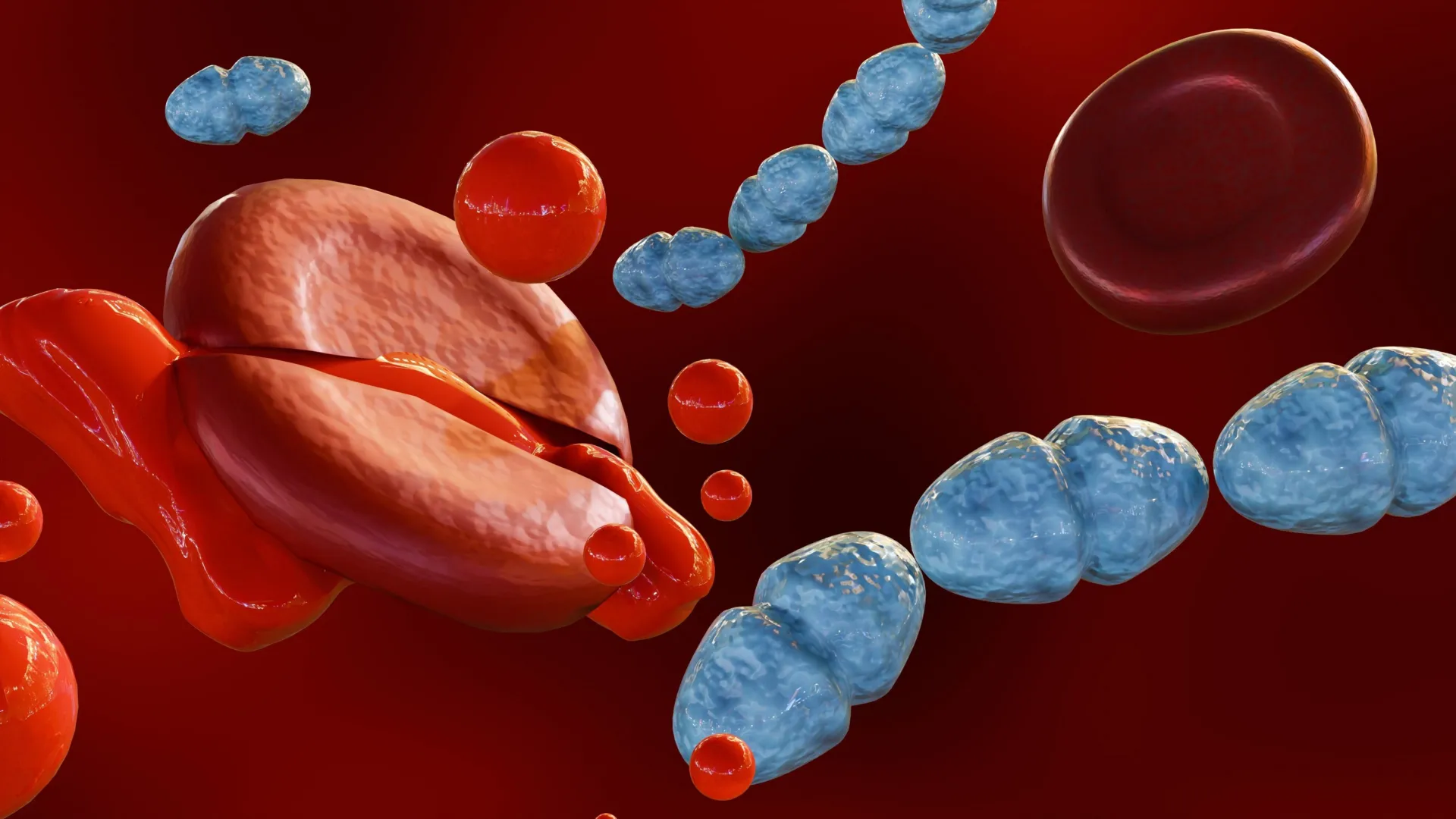
A significant stride in critical care medicine has been reported by researchers, with a novel therapeutic candidate demonstrating encouraging efficacy in human trials for sepsis, a life-threatening condition for which no specific treatment currently exists. This development, emerging from a Phase II clinical study, suggests a potential new pathway to mitigate the severe inflammatory response and organ damage characteristic of sepsis, offering a beacon of hope for millions globally.
The Global Scourge of Sepsis: An Unmet Medical Need
Sepsis represents one of the most formidable challenges in modern healthcare, claiming more lives annually than many cancers combined. It is not an infection itself, but rather the body’s dysregulated and often catastrophic response to an infection. When the immune system, designed to protect, turns against its host, it triggers widespread inflammation, clotting, and organ dysfunction. The World Health Organization estimates that sepsis affects approximately 49 million people worldwide each year, leading to 11 million deaths. Beyond the immediate mortality, survivors frequently endure debilitating long-term consequences, including chronic pain, fatigue, organ damage, and cognitive impairments, placing an immense burden on individuals, families, and healthcare systems.
Despite decades of intensive research, the therapeutic landscape for sepsis remains largely supportive, focusing on early identification, aggressive antibiotic administration, fluid resuscitation, and organ support. The absence of a targeted pharmacological intervention capable of modulating the immune overreaction directly contributes to the high mortality and morbidity rates. This critical unmet medical need underscores the profound significance of any therapeutic advancement that can move beyond symptomatic management to address the underlying pathological mechanisms of the disease. The sheer scale of the problem necessitates innovative solutions that can disrupt the destructive cascade initiated by sepsis, making the findings from the recent Phase II trial particularly compelling.
STC3141: A Novel Carbohydrate-Based Approach
At the forefront of this promising development is an experimental drug known as STC3141. This pioneering compound is a carbohydrate-based molecule, a distinct class of therapeutics that harnesses the intricate biological roles of sugars in cellular communication and immune regulation. The drug’s conception is the result of a collaborative endeavor, bringing together the expertise of Distinguished Professor Mark von Itzstein AO and his team at Griffith University’s Institute for Biomedicine and Glycomics, alongside Professor Christopher Parish and his research group at The Australian National University. Their combined efforts represent a triumph of translational science, bridging fundamental glycobiology research with urgent clinical applications.
The design of STC3141 targets a critical vulnerability in the septic process: the release of specific biological molecules that act as potent drivers of inflammation and cellular injury. During sepsis, the body releases various endogenous danger signals, known as Damage-Associated Molecular Patterns (DAMPs), from damaged cells, in addition to Pathogen-Associated Molecular Patterns (PAMPs) from invading microbes. These molecules can hyperactivate immune cells, leading to an uncontrolled systemic inflammatory response, often referred to as a "cytokine storm." STC3141 is engineered to counteract these harmful mediators, effectively dampening the immune system’s destructive overreaction.
Unlike conventional treatments that primarily aim to manage the symptoms of sepsis or eradicate the underlying infection, STC3141 operates as a disease-modifying agent. By directly intervening in the inflammatory cascade, the drug seeks to reverse the damage inflicted upon vital organs, rather than merely supporting their failing functions. This distinction is crucial; while supportive care keeps patients alive, STC3141 aims to mitigate the very processes causing organ failure, thereby potentially improving recovery trajectories and reducing the incidence of long-term complications. The administration method for the trial involved intravenous infusion via a cannula, allowing for direct and systemic delivery of the small-molecule experimental therapy. The strategic targeting of early inflammatory drivers with a carbohydrate-based molecule represents a novel paradigm in sepsis therapy, moving beyond the limitations of broad-spectrum antibiotics and general anti-inflammatory agents.
Validation in Clinical Settings: The Phase II Trial Outcomes
The recent Phase II clinical trial, a pivotal step in the drug’s development, has yielded positive results, reinforcing the therapeutic potential of STC3141. Conducted by Grand Pharmaceutical Group Limited (Grand Pharma) in China, the trial enrolled 180 patients diagnosed with sepsis. Phase II trials are designed to evaluate the safety and preliminary efficacy of a new drug in a larger group of patients than Phase I, and to determine optimal dosing. For a condition as complex and rapidly progressing as sepsis, demonstrating tangible benefits at this stage is a significant achievement.
According to Professor von Itzstein, the trial successfully "met the key endpoints to indicate the drug candidate was successful in reducing sepsis in humans." While specific data on these endpoints (such as changes in Sequential Organ Failure Assessment (SOFA) scores, inflammatory biomarkers, or rates of organ support) were not publicly detailed, meeting these pre-defined markers suggests a statistically significant improvement in relevant clinical parameters associated with sepsis severity. This outcome is critical for advancing the drug through the rigorous regulatory pathway toward eventual market approval. The choice of China for the trial also reflects the vast patient population available, which can facilitate efficient recruitment and provide robust data for globally impactful conditions like sepsis. Grand Pharma’s involvement as the commercial partner highlights the essential role of pharmaceutical industry collaboration in translating academic discoveries into tangible patient therapies. The successful completion of this phase provides a strong foundation for the next crucial stage of development.
The Road Ahead: Phase III and Beyond
The promising results from the Phase II trial have set the stage for the next critical phase: a Phase III clinical trial. Grand Pharma is now preparing to advance STC3141 into this larger, more extensive study, which will further evaluate the drug’s effectiveness, monitor side effects, and compare it against the current standard of care in an even broader patient population. Phase III trials are typically multinational, involve thousands of patients, and are the final hurdle before a drug can seek regulatory approval from health authorities like the U.S. Food and Drug Administration (FDA), the European Medicines Agency (EMA), or China’s National Medical Products Administration (NMPA).
The successful navigation of a Phase III trial is paramount. It requires demonstrating consistent efficacy and an acceptable safety profile across diverse patient demographics and geographical regions. Should STC3141 continue to show positive results in this larger setting, Professor von Itzstein expresses optimism that the treatment could reach the market "in a handful of years," projecting a timeline that, while ambitious, reflects the urgency and magnitude of the unmet need. The potential implications of such a breakthrough are immense: "potentially saving millions of lives," as he articulated. Beyond the immediate impact on mortality, a successful anti-sepsis therapy could dramatically reduce the global burden of long-term disability among survivors, thereby improving overall quality of life and alleviating significant healthcare expenditures. The journey from discovery to widespread patient access is fraught with challenges, including manufacturing scale-up, distribution logistics, and pricing strategies, but the initial clinical validation provides a strong impetus for overcoming these hurdles. Furthermore, success in sepsis could open doors for STC3141 or similar carbohydrate-based therapies to be explored for other inflammatory or immune-mediated conditions, expanding its potential therapeutic footprint.
Broader Impact and the Future of Translational Research
The positive outcomes of the STC3141 trial resonate far beyond the immediate clinical context of sepsis treatment. Professor Paul Clarke, Executive Director of the Institute for Biomedicine and Glycomics at Griffith University, underscored the broader significance of these findings. "I am thrilled to see the results of the trial which ultimately aims to save lives," Professor Clarke remarked, encapsulating the core mission of biomedical research.
This achievement serves as a powerful testament to the value of translational research—the process of transforming fundamental scientific discoveries into practical applications that directly benefit human health. It highlights the critical importance of sustained investment in basic science, particularly in complex fields like glycomics, where understanding the nuanced roles of carbohydrates in biological systems can unlock entirely new therapeutic avenues. The collaboration between academic institutions and industry partners, exemplified by the Griffith-ANU-Grand Pharma alliance, is a vital model for accelerating the journey from bench to bedside. Such partnerships provide the necessary resources, expertise, and infrastructure to conduct large-scale clinical trials and navigate the intricate regulatory landscape.
Moreover, this development reinforces Australia’s position as a significant contributor to global biomedical innovation. The pioneering work emanating from institutions like Griffith University and The Australian National University demonstrates that cutting-edge research conducted in Australia has the potential for profound international impact. As Professor Clarke articulated, "The Institute and its researchers collectively work on translational research to deliver real and immediate impacts both in Australia, and globally to transform lives." The success of STC3141 could inspire further investment in Australian biotechnology and pharmaceutical development, fostering a vibrant ecosystem for future medical breakthroughs. This trial represents not merely a step forward for sepsis patients, but a validation of a scientific approach that prioritizes innovative solutions to some of humanity’s most pressing health challenges.
In conclusion, the positive Phase II trial results for STC3141 mark a potentially transformative moment in the fight against sepsis. By offering a novel, targeted mechanism to counteract the destructive immune response, this carbohydrate-based drug could revolutionize how sepsis is treated, moving beyond symptomatic management to directly address the underlying pathology. While further rigorous testing in Phase III trials is essential, the current findings offer a profound sense of optimism that a specific, life-saving therapy for this devastating condition may finally be on the horizon, promising a future where millions fewer succumb to its relentless progression.



 Lisa Mariana
 Aura Kasih