Aura Kasih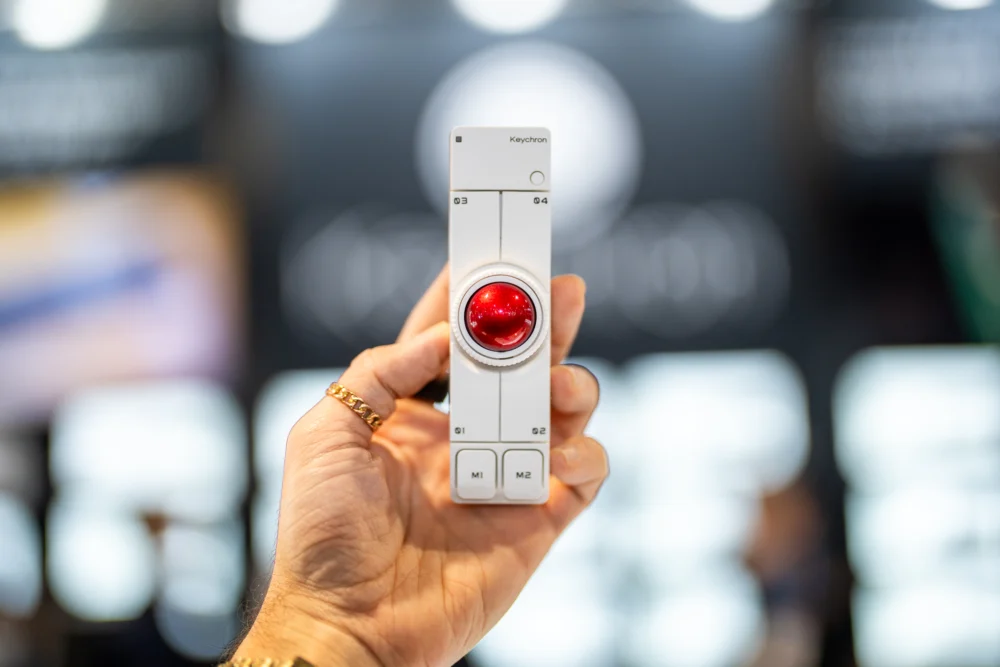
CES 2026 has unveiled a compelling contender in the realm of peripheral innovation: the Keychron Nape Pro trackball. This compact and remarkably versatile device promises to redefine user interaction with personal computing, offering a unique blend of ergonomic design and functional flexibility that could appeal to a broad spectrum of users, from seasoned trackball enthusiasts to those entirely new to the technology.
For individuals who have never before engaged with a trackball, the initial apprehension surrounding its use is understandable. The traditional mouse, with its familiar movement paradigm, has dominated desktop computing for decades. However, the Nape Pro appears poised to dismantle these preconceived notions by presenting a device that is not only aesthetically refined but also engineered for an intuitive and adaptable user experience. Its compact form factor is a key differentiator, allowing for deployment in a variety of desk setups. Unlike conventional trackballs that often occupy a fixed position to the side of a keyboard, the Nape Pro’s slender profile suggests a modularity that integrates seamlessly into existing workspaces.
The potential for the Nape Pro to revolutionize desk ergonomics lies in its ability to be positioned in multiple ways. Users can elect to place it adjacent to their keyboard, mirroring the established convention of trackball placement. Alternatively, and perhaps more intriguingly, the device can be situated directly beneath the keyboard. This placement transforms it into a sophisticated input hub, enabling cursor manipulation, dial adjustments, and button actuations without the need for the user to shift their hand position from the primary typing zone. This "hands-on-keyboard" approach mirrors, in spirit, the functionality of integrated pointing devices like the Lenovo TrackPoint, a staple on many ThinkPad laptops, and the concept explored in some specialized mechanical keyboards. The implication is a significant reduction in physical movement, potentially leading to enhanced comfort and reduced strain during prolonged computing sessions.
The strategic advantage of such an integrated input system cannot be overstated in the context of modern computing demands. As users spend increasingly more time interacting with their computers for work, creative endeavors, and leisure, the cumulative impact of repetitive strain injuries becomes a significant concern. The Nape Pro’s design directly addresses this by minimizing the need for extraneous hand and arm movements. By keeping the cursor control and primary functions within easy reach of the home row, it fosters a more streamlined and efficient workflow. This is particularly beneficial for tasks that require constant navigation and interaction, such as graphic design, video editing, programming, or even intensive document management. The ability to perform these actions without breaking concentration or disrupting typing flow offers a tangible productivity boost.
Keychron, a company already recognized for its innovative contributions to the mechanical keyboard market, including models lauded for their extended battery life and high-performance wireless capabilities, ventures into trackball territory with a product that appears to encapsulate their commitment to user-centric design. The announcement of the Nape Pro at CES 2026 signifies a strategic expansion of their product portfolio, aiming to capture a segment of the market that values precision, comfort, and versatility in their input devices. The company’s co-founder, Paul Tan, has indicated that the Nape Pro is slated for an initial launch in Japan through a crowdfunding campaign, with a broader release anticipated in the United States during the spring. The projected price range of $60 to $100, subject to tariff fluctuations, positions the Nape Pro as an accessible yet premium option in the competitive peripherals market. This pricing strategy suggests Keychron’s intent to democratize advanced ergonomic solutions, making them available to a wider consumer base.

The inherent versatility of the Nape Pro extends beyond its placement options. The device is equipped with a rotary dial, a feature that adds another layer of functional depth. This dial can be programmed to control various parameters, offering a nuanced approach to digital interaction. Imagine adjusting brush sizes in photo editing software, scrubbing through timelines in video editing applications, or even controlling volume levels with a simple twist. Complementing the dial are six fully programmable buttons. This level of customization empowers users to tailor the Nape Pro to their specific workflows, assigning frequently used shortcuts or commands to readily accessible inputs. This bespoke control scheme can significantly streamline complex operations and accelerate task completion.
The implications of this level of customization are profound. For professionals who rely on precise and efficient input methods, the ability to create personalized command profiles can translate directly into increased output and reduced cognitive load. For instance, a 3D artist could assign specific view manipulations to the dial and crucial tool selections to the buttons, all while maintaining their hands in a comfortable, neutral position. Similarly, a programmer could map common code snippets or debugging commands to the programmable buttons, further enhancing their coding efficiency. This adaptability ensures that the Nape Pro is not merely a cursor-moving device but a sophisticated control interface capable of being molded to the unique demands of any user.
The Nape Pro’s potential to appeal to trackball novices is a critical aspect of its market positioning. Traditional mice, while familiar, can necessitate significant desk real estate and involve repetitive wrist and arm movements. Trackballs, by contrast, utilize a stationary device and require finger or thumb dexterity to control the cursor. This can be a game-changer for individuals experiencing wrist pain or limited mobility. The Nape Pro, with its ergonomic design and intuitive functionality, appears to bridge the gap between the familiar and the innovative. Its approachable form factor and the promise of a seamless integration into existing workflows could encourage users to explore this alternative input method, potentially discovering a more comfortable and efficient way to interact with their computers. The prospect of using a trackball in conjunction with a traditional mouse, as suggested by early impressions, further underscores the device’s role as an enhancement rather than a replacement, offering users the best of both worlds and fostering a more adaptable and personalized computing environment.
The broader context of input device evolution further illuminates the significance of the Keychron Nape Pro. For years, the focus has largely been on refining the mouse and keyboard paradigm. However, there has been a growing awareness of the limitations of this traditional setup, particularly concerning ergonomics and the need for more specialized input solutions. Devices like the Nape Pro represent a crucial step in this evolutionary process. They challenge the status quo by offering alternative interaction methods that cater to specific needs and preferences. The inclusion of features like a rotary dial and programmable buttons positions the Nape Pro not just as a trackball, but as a modern, multi-functional control hub. This approach aligns with a growing trend towards highly customizable and ergonomic peripherals designed to optimize user comfort and productivity in an increasingly digital world.
Looking ahead, the success of the Nape Pro could pave the way for further innovation in the trackball market. If Keychron can successfully execute its launch strategy and deliver a high-quality product at the anticipated price point, it could stimulate renewed interest in trackball technology. This, in turn, might encourage other manufacturers to explore similar designs, leading to a more diverse and competitive landscape for ergonomic input devices. The potential for advanced features, such as haptic feedback integrated into the dial or buttons, or even AI-driven predictive input mapping, could further elevate the capabilities of future trackball iterations. The Nape Pro, therefore, stands not only as an impressive product in its own right but also as a potential catalyst for a broader shift in how we conceive of and interact with our digital tools. Its promise of versatility, comfort, and personalized control positions it as a significant development in the ongoing quest for more effective and user-friendly computing experiences.




 Lisa Mariana