Lisa Mariana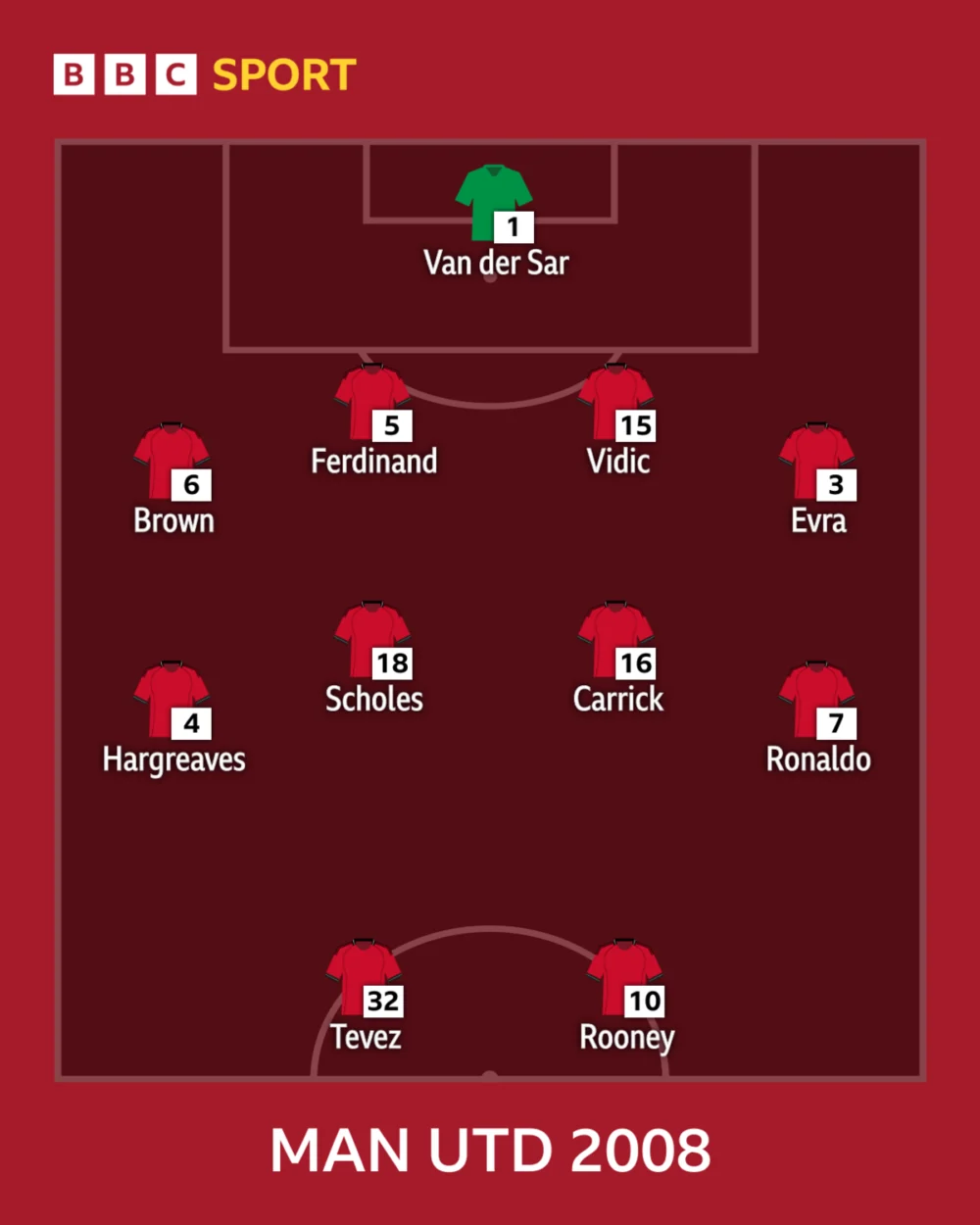
The enduring allure of football’s hypothetical matchups recently ignited a fervent debate, as industry figures contemplated whether the revered Manchester United squad of 2008, champions of both England and Europe, could truly dominate a projected 2026 Arsenal side, currently demonstrating formidable prowess and aspirational trajectory. This speculative confrontation, sparked by a pundit’s query and met with an emphatic assertion of superiority from a United legend, compels a rigorous, analytical examination of both teams’ strengths, tactical philosophies, and historical contexts, moving beyond mere sentiment to a data-informed comparison.
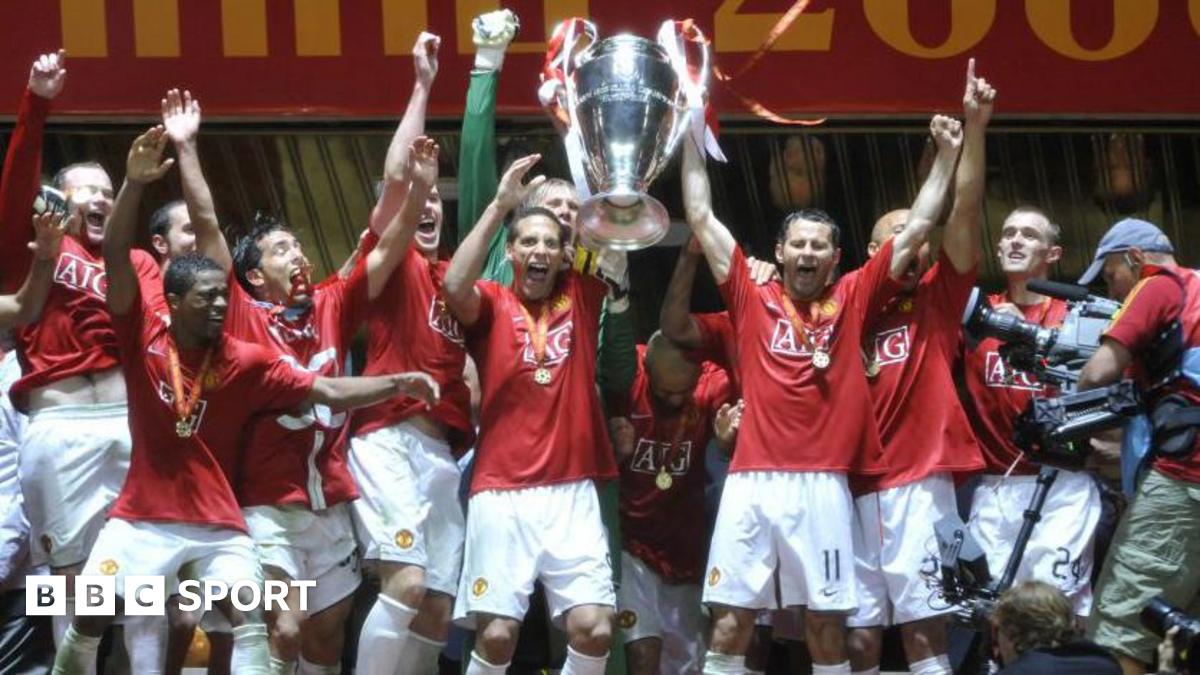
The appeal of pitting legendary teams against contemporary challengers lies in its ability to transcend time, offering a platform to evaluate football’s evolution and the timeless qualities of greatness. Manchester United’s 2007-08 season represents a zenith in modern English football, culminating in a Premier League and Champions League double under the astute guidance of Sir Alex Ferguson. This squad was a meticulously crafted machine, blending generational talent with unwavering discipline and a winning mentality. Their tactical flexibility allowed them to adapt, whether through devastating counter-attacks or sustained periods of pressure, making them a formidable opponent on any stage. The bedrock of their success was a robust defensive unit, marshalled by an elite central pairing, complemented by dynamic full-backs and a world-class goalkeeper. Further up the pitch, a midfield engine room combined steel, vision, and tireless energy, while the attacking trident possessed an almost unparalleled blend of individual brilliance and collective synergy. The narrative of this United team is one of established champions, seasoned in high-stakes encounters and hardened by years of competing at the sport’s pinnacle. Their achievements were not just statistical but etched into the annals of football history, defining an era of domestic and European dominance.
In stark contrast, the "Arsenal 2026" proposition is inherently speculative, yet grounded in the discernible progress and ambitious vision currently unfolding at the Emirates Stadium. Under Mikel Arteta, Arsenal has transformed into a meticulously structured unit, embodying modern football’s emphasis on intricate possession, aggressive pressing, and tactical versatility. While the 2026 iteration remains a projection, it logically extrapolates from the current squad’s core strengths, assuming continued development and strategic acquisitions. This imagined Arsenal team is envisioned as having fully matured, their young talents reaching their prime and their collective understanding honed to perfection. Their tactical blueprint would likely lean heavily on fluid attacking movements, control of the midfield battleground, and a defensive structure capable of building play from the back. The current squad’s impressive form, including a strong showing in European competition and a leading position in the domestic league, hints at a future where silverware becomes a regular fixture, validating their progressive approach. The context for this Arsenal side is one of emergent power, aiming to carve out its own legacy in an increasingly competitive landscape, leveraging advancements in sports science, data analytics, and refined tactical methodologies.
Goalkeeping Prowess: Experience Versus Modernity
The goalkeeping duel presents a fascinating contrast between proven stability and contemporary athleticism. Edwin van der Sar, the custodian for Manchester United in 2008, was the epitome of a seasoned professional. At 37, he brought a wealth of experience, unflappable composure, and an authoritative presence to United’s defence. His shot-stopping ability was elite, and his command of the penalty area was exemplary. Crucially, he had already lifted the Champions League trophy twice before joining United, embedding a winning mentality. David Raya, representing the hypothetical Arsenal 2026, would be approaching his peak at 30, embodying the modern goalkeeper’s demands: exceptional ball-playing ability, comfort under pressure, and precise distribution, alongside agile shot-stopping. While Raya possesses international honours as a backup, his club trophy cabinet remains nascent. On sheer volume of high-level achievement and the psychological advantage of being a proven winner at the highest club level, Van der Sar’s pedigree is undeniable. However, for a team prioritising build-up from the back and intricate passing sequences, Raya’s skillset might be marginally more aligned with modern tactical demands, even if his individual accolades are yet to match Van der Sar’s illustrious record. The decision hinges on whether one prioritises experience and proven success under immense pressure or the evolving requirements of contemporary goalkeeping.
Defensive Pillars: Unrivalled Partnership Versus Collective Strength
In central defence, the comparison unequivocally favours Manchester United’s iconic pairing of Rio Ferdinand and Nemanja Vidic. Their partnership in 2008 was arguably the finest in world football, a synergistic blend of Ferdinand’s elegant distribution, tactical intelligence, and pace, with Vidic’s uncompromising physicality, aerial dominance, and fearless defending. They formed an almost impenetrable barrier, complementing each other perfectly. While William Saliba and Gabriel represent a formidable and rapidly maturing partnership for Arsenal, their trajectory, even by 2026, would struggle to eclipse the established, legendary status of Ferdinand and Vidic. The United duo’s telepathic understanding and ability to consistently perform at the highest level set a benchmark. At full-back, Patrice Evra was a world-class left-back for United, offering both defensive solidity and attacking impetus. The right-back position, often filled by Wes Brown or John O’Shea in Neville’s absence, perhaps offered a slight vulnerability by elite standards, though their reliability was undeniable. Arsenal’s projected full-backs, potentially including talents like Jurrien Timber or Riccardo Calafiori, alongside established figures like Ben White, offer dynamism and technical prowess, aligning with modern attacking full-back roles. Arsenal’s depth in defence, with promising young talents and versatile options, could be seen as a modern advantage, allowing for resilience against injuries. However, the sheer individual and collective quality of Ferdinand and Vidic as a central defensive pairing tilts this segment decisively towards the 2008 United side.
Midfield Engine Room: Experience, Vision, and Industry
The midfield battleground is where tactical philosophies truly clash. Manchester United’s 2008 midfield, often featuring Paul Scholes, Michael Carrick, and Owen Hargreaves, offered a remarkable balance. Scholes provided unparalleled vision, passing range, and goal threat from deep. Carrick was the elegant orchestrator, dictating tempo and shielding the defence with understated brilliance. Hargreaves brought tireless energy, defensive tenacity, and big-game experience. The presence of a seasoned Ryan Giggs, even from the bench, further underscored their depth and pedigree. Arsenal’s projected 2026 midfield, likely built around Declan Rice, Martin Odegaard, and potentially a further established talent like Martin Zubimendi, offers a different, yet equally compelling, proposition. Rice is a world-class defensive midfielder, possessing immense physicality, ball-winning ability, and increasingly, offensive drive. Odegaard is the creative fulcrum, providing intricate passing, pressing intensity, and goal contributions. The third midfielder would need to offer a blend of dynamism and technical quality to complete the modern midfield trident. While Arsenal’s midfield promises an elite blend of defensive solidity, creative flair, and tactical intelligence, the established chemistry, experience, and sheer individual genius of United’s trio, particularly Scholes’s enduring influence, would pose an immense challenge. United’s midfield possessed a proven capacity to control matches against the very best, often through sheer force of will and exceptional individual moments.
Attacking Vanguard: Unparalleled Firepower Versus Dynamic Threat
The attacking comparison is perhaps the most heavily weighted in favour of Manchester United. The 2008 forward line comprised Cristiano Ronaldo, Wayne Rooney, and Carlos Tevez – a trinity of individual brilliance, relentless work rate, and potent goalscoring. Ronaldo, the reigning Ballon d’Or winner that year, was an unstoppable force, combining breathtaking skill, blistering pace, and an insatiable hunger for goals. Rooney, United and England’s all-time leading scorer, offered a unique blend of power, creativity, and predatory instinct. Tevez provided relentless pressing, selfless running, and a crucial goal threat. Their collective output was staggering, with Ronaldo alone contributing 42 goals across all competitions that season. This was a front three that instilled fear in any opposition defence.
Arsenal’s projected 2026 attack, while featuring genuinely world-class talent, would struggle to match this historical benchmark. Bukayo Saka is a phenomenal winger, possessing elite dribbling, creativity, and goalscoring ability, undoubtedly a cornerstone of any top team. Gabriel Martinelli provides electric pace and directness. The hypothetical inclusion of a striker like Viktor Gyokeres, while a promising talent with significant potential, has not yet demonstrated the consistent elite-level output of a prime Rooney or Tevez. Other wide options like Leandro Trossard or Noni Madueke offer quality but again, do not possess the individual gravitas of a prime Cristiano Ronaldo. While Arsenal’s attacking unit would be dynamic, fluid, and capable of intricate build-up, the sheer, unadulterated firepower, individual genius, and big-game experience of United’s front three render this comparison almost a foregone conclusion. The ability of Ronaldo, Rooney, and Tevez to create and convert chances, often from seemingly impossible situations, provides United with an overwhelming advantage.
Tactical Battle and Intangibles
The tactical clash would be a compelling spectacle. United’s 2008 team, under Ferguson, was adept at soaking up pressure and unleashing devastating counter-attacks, particularly with the pace of Ronaldo and Rooney. They could also dominate possession when required, leveraging Scholes and Carrick’s passing range. Their defensive solidity was immense, and their mentality in crucial moments was unparalleled. Arsenal’s 2026, under Arteta, would likely employ a high-intensity pressing game, seek to dominate possession, and create chances through intricate patterns of play and set-piece prowess. Their modern approach would involve greater statistical analysis and sophisticated positional play.
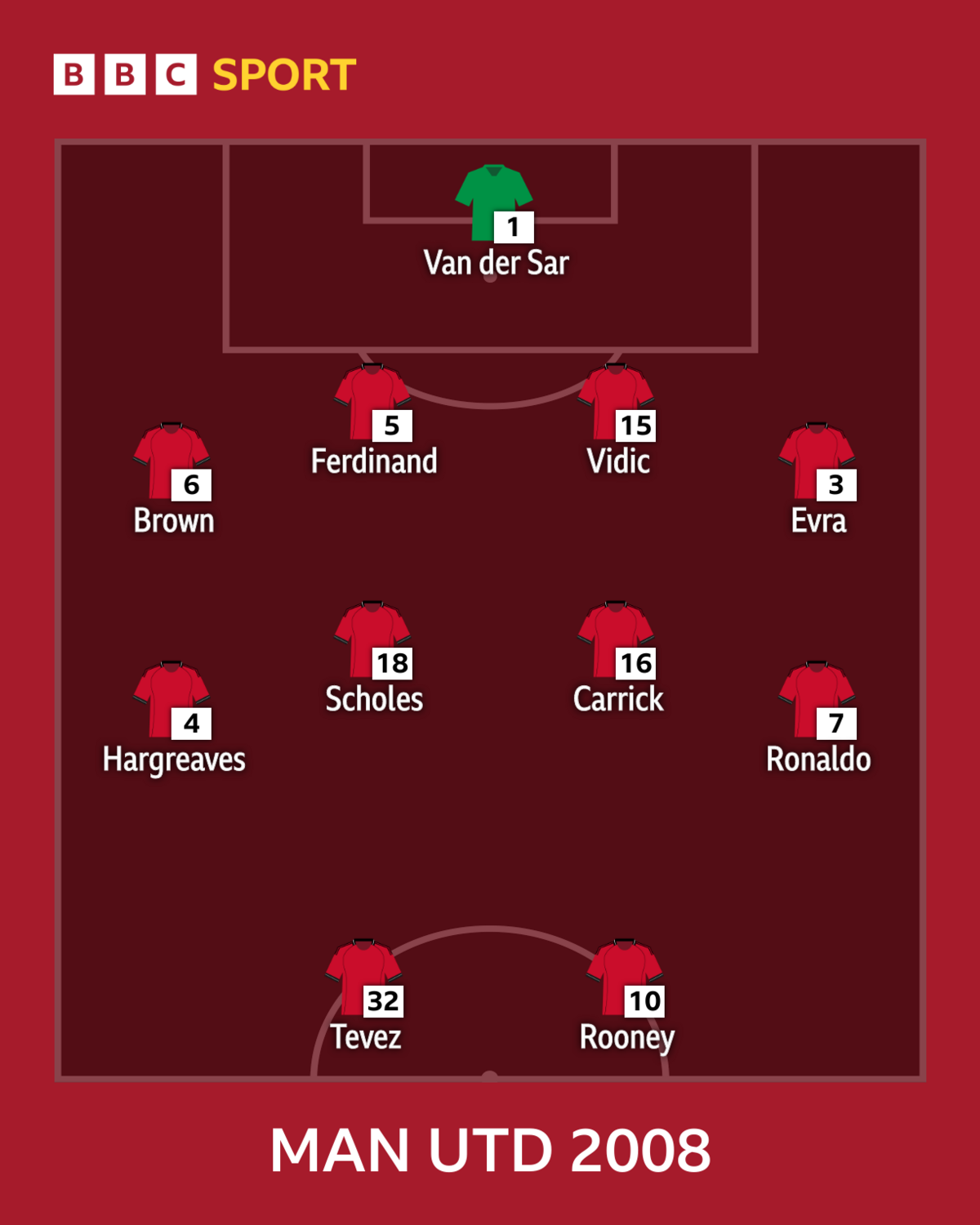
However, beyond the tactical diagrams, lie the intangibles. United’s 2008 squad possessed a collective winning experience that few teams in history can rival. They had faced and conquered the highest pressures, winning both domestic and European titles. This ingrained mentality, coupled with the legendary leadership of Sir Alex Ferguson, provided an immense psychological edge. The hypothetical Arsenal 2026, while potentially having achieved significant success by that point, would still be measured against an established historical peak. The physicality of the 2008 Premier League era was also distinct, potentially favouring United in direct confrontations. Refereeing standards and VAR would also introduce variables not present in 2008, potentially altering the flow and outcome of a game.
The Ultimate Arbiter: Silverware
Ultimately, the most objective measure of a team’s greatness is the silverware it accumulates. The Manchester United team of 2008 did not just compete; they dominated. They were the reigning Premier League champions entering the 2007-08 season and proceeded to win both the Premier League and the Champions League that year, a double that firmly cemented their place in football history. They would go on to add another Premier League title in 2008-09, demonstrating sustained excellence.
The "Arsenal 2026" squad, while currently exhibiting immense promise and competing for major honours, is, by definition, yet to secure these achievements. The club’s last major trophy was the FA Cup in 2019-20. While their trajectory is upward, and a quadruple remains a theoretical possibility in their projected future, the comparison demands a concrete measure of success. Until such a future Arsenal team has demonstrably won major titles, particularly the Premier League and the Champions League, against the backdrop of an era, any direct comparison in terms of established greatness remains inherently skewed.
Conclusion
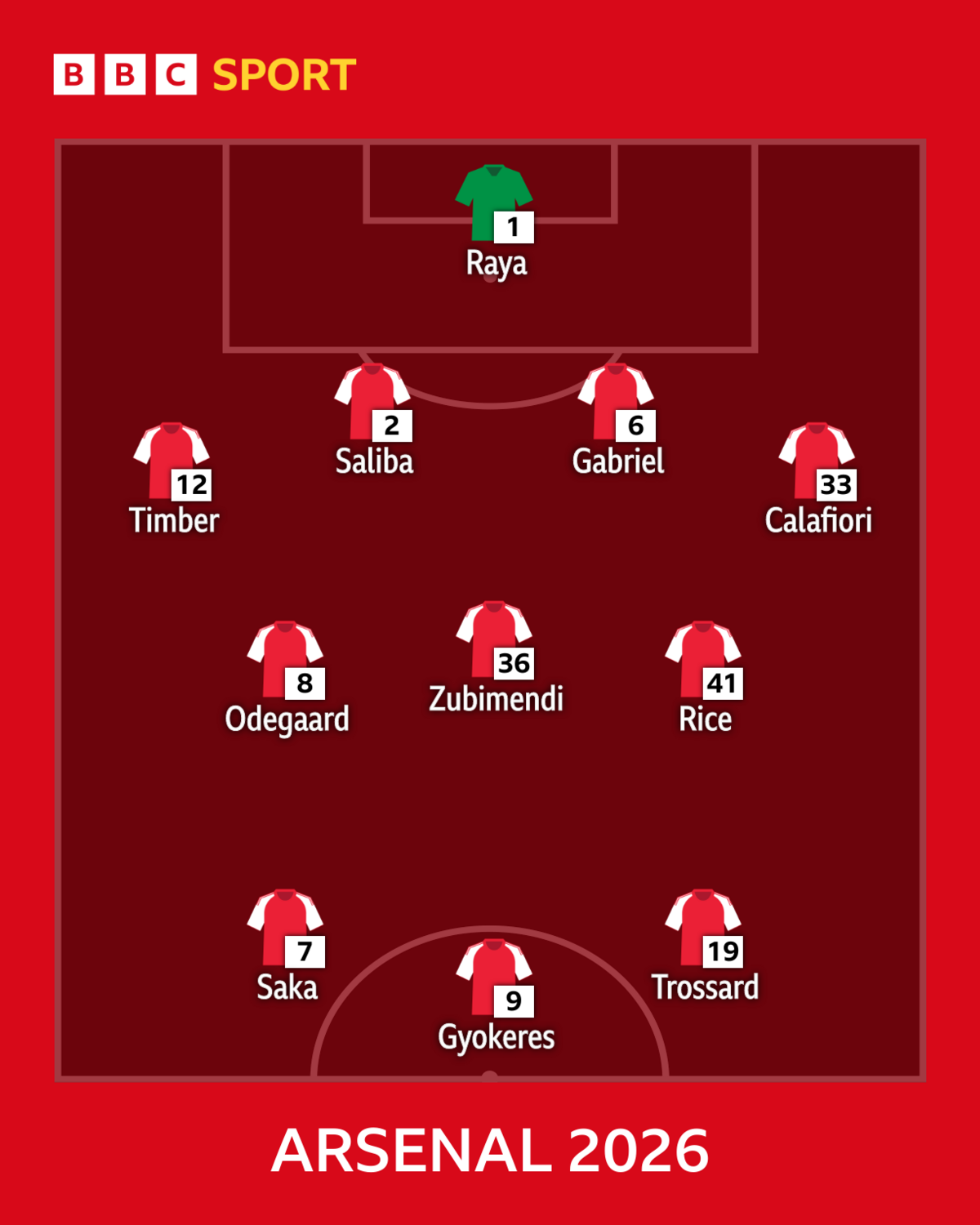
While the allure of comparing footballing generations is undeniable, a rigorous, dispassionate analysis of Manchester United’s 2008 squad against a projected 2026 Arsenal team reveals a clear disparity. United’s side was a meticulously assembled ensemble of world-class talent, operating at its peak under a legendary manager, culminating in a historic double. Their proven track record of winning the most coveted trophies, coupled with individual brilliance in critical positions, particularly in attack and central defence, establishes a formidable benchmark. While Arsenal’s current trajectory and future potential are exceptionally bright, and their modern tactical approach is highly effective, the ultimate measure of a team’s historical standing remains its tangible achievements. Until the projected Arsenal 2026 team has etched its name into the history books with comparable silverware, the assertion of dominance by the 2008 Manchester United side, as confidently declared by its own legend, holds substantial analytical weight. The conversation, while entertaining, underscores the rare confluence of talent, leadership, and success that defined United’s golden era.




 Aura Kasih
 Ayu Aulia