Ayu Aulia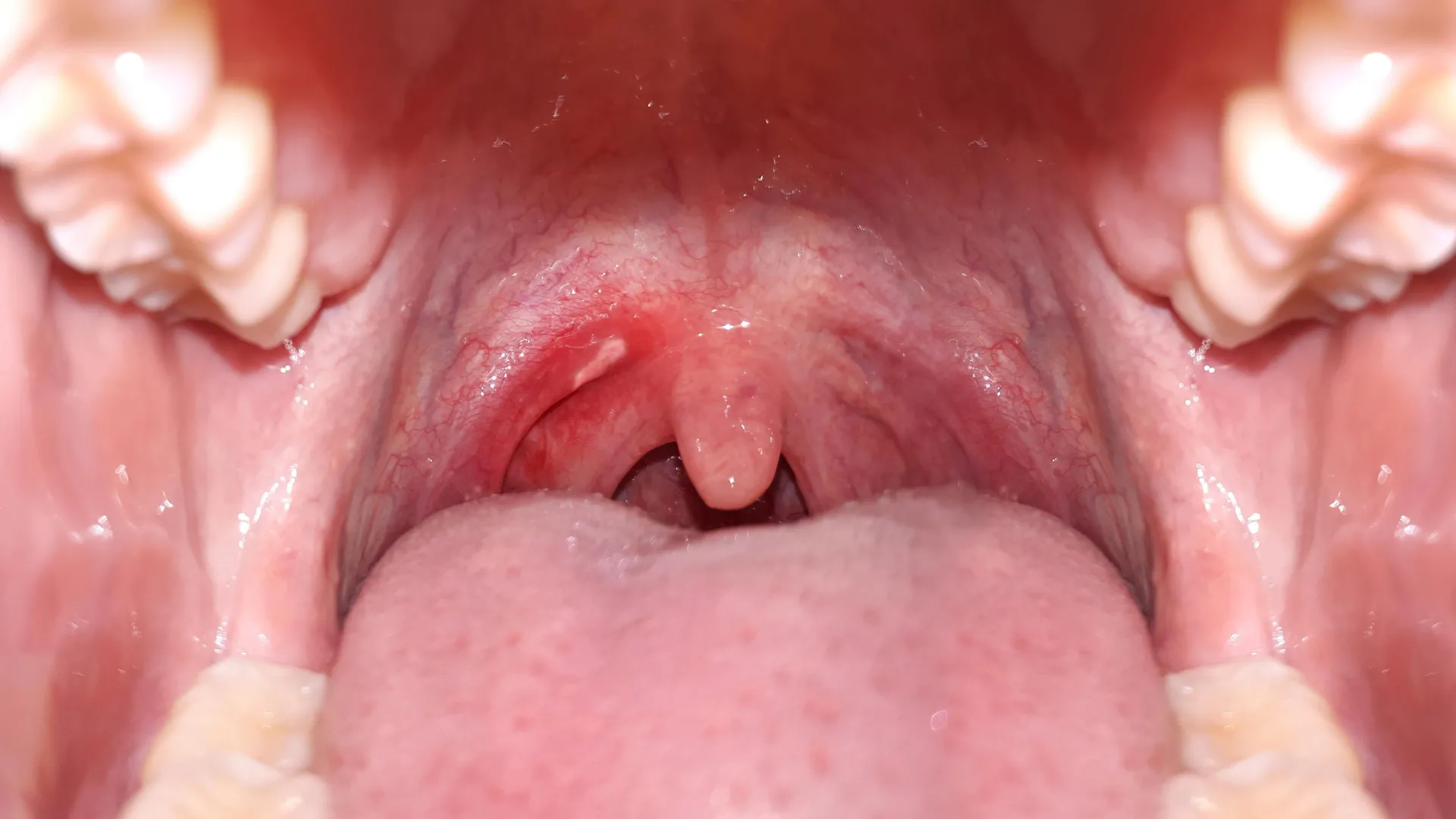
A comprehensive epidemiological inquiry has brought to light a critical public health concern, revealing that even modest daily alcohol consumption is strongly correlated with a substantially heightened risk of oral cavity malignancies within the Indian subcontinent. This extensive analysis underscores the precariousness of habitual alcohol use, demonstrating that an intake as low as nine grams of ethanol per day—the approximate alcohol content of a single standard drink—is associated with a striking 50% increase in the likelihood of developing mouth cancer. Of particular concern is the pronounced association observed among individuals who regularly consume locally produced alcoholic beverages, suggesting an additional layer of risk inherent in these unregulated products.
The research further illuminates a profoundly alarming synergistic effect when alcohol consumption is combined with the prevalent practice of chewing tobacco. This dual exposure appears to magnify carcinogenic risks exponentially, with researchers estimating that this potent combination may be directly responsible for an astonishing 62% of all buccal mucosa cancer cases across the nation. This finding positions the interaction between these two substances as a primary driver of a significant portion of India’s oral cancer burden, demanding urgent public health intervention.
The Escalating Challenge of Oral Cancer in India
Oral cancer represents a formidable and growing public health crisis in India, where it stands as the second most common cancer type. Annually, the nation grapples with an estimated 143,759 new diagnoses and nearly 80,000 fatalities attributable to this devastating disease. This alarming incidence rate has not remained static; rather, it has shown a consistent upward trajectory, with current figures approaching 15 new cases per 100,000 Indian men. The predominant form of this malignancy targets the buccal mucosa, the delicate soft tissue lining the cheeks and lips, which plays a crucial role in daily oral functions.
The prognosis for individuals diagnosed with oral cancer in India remains bleak, characterized by persistently poor survival outcomes. A mere 43% of patients manage to survive five years or more post-diagnosis, highlighting the aggressive nature of the disease and the urgent need for enhanced early detection strategies and improved therapeutic interventions. The significant morbidity and mortality associated with oral cancer exert immense pressure on India’s healthcare infrastructure and impose substantial socio-economic burdens on affected individuals and their families.
Disentangling the Interplay of Alcohol and Tobacco Carcinogenesis
The ubiquitous co-occurrence of alcohol consumption and tobacco use, particularly smokeless tobacco, in India presents a complex challenge for researchers attempting to isolate the independent carcinogenic effects of each substance. The widespread adoption of chewing tobacco products across various socio-economic strata, coupled with varying patterns of alcohol consumption, complicates the epidemiological landscape. Furthermore, the health implications of locally brewed alcoholic beverages, which are particularly prevalent in rural communities and often produced outside regulatory frameworks, have historically received insufficient scientific scrutiny. This knowledge gap has impeded a comprehensive understanding of their specific contributions to disease pathology.
To address these complexities and provide clearer insights, the research team conducted a meticulous comparative study. They enrolled 1,803 individuals definitively diagnosed with buccal mucosa cancer, contrasting their profiles with those of 1,903 randomly selected control subjects who were free from the disease. Participants were recruited from five distinct study centers across India over an extensive period spanning from 2010 to 2021. The demographic profile of the cohort revealed that the majority of participants fell within the 35 to 54 age bracket, with a notable proportion—nearly 46% of all cancer cases—occurring in younger individuals aged 25 to 45. This younger demographic involvement underscores the potential for a significant loss of productive life years and highlights the urgency of preventative measures.
Comprehensive Assessment of Consumption Patterns
A pivotal aspect of the study involved the meticulous collection of detailed self-reported data from all participants concerning their drinking habits. This encompassed the duration of alcohol use, the frequency of consumption, and the specific types of alcoholic beverages consumed. The researchers accounted for a broad spectrum of choices, including 11 internationally recognized alcoholic products such as beer, whisky, vodka, rum, and flavored alcoholic drinks known as breezers. Crucially, the study also incorporated an extensive list of 30 locally brewed options, including traditional Indian concoctions like apong, bangla, chulli, desi daru, and mahua, thereby providing a uniquely granular understanding of indigenous consumption patterns.
Concurrently, participants provided comprehensive information regarding their tobacco use, detailing both the duration and the specific forms of tobacco products utilized. This dual data collection strategy was instrumental in enabling the researchers to rigorously examine the intricate interplay between alcohol and tobacco and their combined influence on oral cancer risk. The data revealed a stark contrast between the two groups: within the cancer cohort, 781 individuals reported regular alcohol consumption, while 1,019 stated they did not drink. In comparison, the control group comprised 481 alcohol consumers and 1,420 non-drinkers, clearly indicating a higher prevalence of alcohol use among those diagnosed with cancer.
Dose-Response Relationship and Elevated Exposure
Further analysis revealed distinct differences in exposure patterns between the cancer patients and the control group. Individuals diagnosed with buccal mucosa cancer reported a significantly longer average duration of tobacco use, approximately 21 years, compared to roughly 18 years among the control subjects. Moreover, the cancer group exhibited a higher propensity to reside in rural areas, a demographic detail that often correlates with specific lifestyle practices and accessibility to certain types of alcohol and tobacco. Critically, cancer patients also reported consuming larger quantities of alcohol on a daily basis, averaging nearly 37 grams, in contrast to approximately 29 grams among the control group. This observed dose-response relationship further solidified the link between higher alcohol intake and increased cancer risk.
The findings unequivocally demonstrated a strong correlation between frequent alcohol consumption and an elevated risk of developing oral cancer. The most pronounced effect was consistently observed in individuals who regularly consumed locally brewed alcoholic beverages. When compared to individuals who abstained entirely from alcohol, those who consumed any amount of alcohol exhibited a substantial 68% higher risk of developing buccal mucosa cancer. This risk escalated to 72% for individuals who primarily favored internationally recognized commercial alcoholic products. However, the most concerning figure emerged among those who consumed locally brewed alcohol, where the risk surged to an alarming 87%. This significant differential points towards specific risk factors associated with unregulated local production.
Absence of a Safe Alcohol Threshold for Oral Carcinogenesis
One of the most profound and concerning revelations of this study is the apparent absence of any identifiable safe threshold for alcohol consumption concerning buccal mucosa cancer risk. Even remarkably small quantities of alcohol were implicated in elevating risk. For instance, consuming less than two grams of alcohol from beer per day, an amount often considered negligible, was still associated with an increased risk of this specific oral malignancy. The findings solidified that consuming just nine grams of alcohol daily, which is roughly equivalent to a single standard alcoholic drink, was linked to an approximately 50% increase in the risk of developing buccal mucosa cancer. This suggests that public health messaging regarding "moderate" drinking may need to be critically re-evaluated in the context of oral cancer prevention.
The synergistic effect of combined alcohol and tobacco use was particularly stark and warrants immediate attention. Simultaneous exposure to both substances was linked to a more than fourfold increase in the risk of oral cancer. Based on rigorous epidemiological calculations, the researchers conservatively estimate that a staggering 62% of all buccal mucosa cancer cases diagnosed in India can be directly attributed to the perilous interaction between alcohol consumption and the widespread practice of chewing tobacco. This highlights a critical, preventable etiology for a majority of these devastating diagnoses.
Mechanistic Insights into Alcohol-Induced Vulnerability
The precise biological mechanisms through which alcohol enhances mouth cancer risk are complex and multi-faceted. The study suggests that alcohol exerts its carcinogenic influence irrespective of the duration of an individual’s tobacco use, implying an independent or potentiating pathway. Researchers hypothesize that ethanol, the active component in alcoholic beverages, may alter the lipid composition and structural integrity of the oral mucosa’s inner lining. This alteration could lead to increased permeability of the mucosal barrier, making the delicate tissues more susceptible to the penetration and damaging effects of potent carcinogens found in chewing tobacco products.
Beyond increased permeability, other potential mechanisms contribute to alcohol-induced oral carcinogenesis. Alcohol metabolism in the oral cavity and liver produces acetaldehyde, a known human carcinogen that can damage DNA and impair its repair mechanisms. Alcohol can also generate reactive oxygen species, leading to oxidative stress and cellular damage. Furthermore, chronic alcohol consumption can lead to nutritional deficiencies, particularly folate, which is critical for DNA synthesis and repair, thus indirectly increasing cancer risk. Immunosuppression associated with heavy alcohol use can also reduce the body’s ability to combat precancerous lesions.
Collectively, the analysis indicates that alcohol consumption is a significant, independent contributor to India’s oral cancer burden. More than one in ten buccal mucosa cancer cases in India—approximately 11.5%—are attributable solely to alcohol. In states characterized by exceptionally high disease rates, such as Meghalaya, Assam, and Madhya Pradesh, this proportion rises even further to about 14%, underscoring regional variations in consumption patterns and associated health outcomes.
The Pervasive Dangers of Unregulated Local Alcohol
The pronounced elevation in risk specifically associated with locally brewed alcoholic beverages is a critical finding with profound public health implications. This heightened danger may be partly attributable to the presence of various toxic contaminants, including methanol and elevated concentrations of acetaldehyde, which can arise during uncontrolled fermentation processes. The researchers emphasize that the production of these traditional and often culturally significant drinks is largely unregulated, lacking the quality control and safety standards typically applied to commercially produced beverages.
The regulatory landscape for alcohol control in India is inherently intricate, involving a complex interplay of both central and state legislative frameworks. While central legislation provides a broad protective umbrella for citizens, alcohol falls under the State List within the Seventh Schedule of the Indian Constitution. This constitutional provision grants individual states considerable autonomy and power to regulate and control the production, distribution, and sale of alcohol within their borders. However, this decentralized control often leads to significant disparities in enforcement and oversight. Crucially, the market for locally brewed liquor largely operates outside these established legal and regulatory mechanisms. Researchers highlight that some forms of these unregulated drinks consumed by participants were found to contain exceptionally high alcohol content, in some instances reaching up to 90%, presenting an immediate and severe health hazard beyond their carcinogenic potential.
Imperatives for Public Health Action and Prevention
The compelling evidence presented by this extensive study leads to an unequivocal conclusion: there is no discernible safe limit for alcohol consumption when considering the risk of buccal mucosa cancer. This finding fundamentally challenges conventional notions of "moderate" drinking and necessitates a paradigm shift in public health communication and policy.
The implications for public health are profound and call for a multi-pronged, aggressive strategy. The researchers emphatically state that robust public health actions aimed at the comprehensive prevention of both alcohol and tobacco use could, to a very large extent, eliminate buccal mucosa cancer as a major public health concern in India. This necessitates:
- Enhanced Awareness and Education Campaigns: Targeted national and regional campaigns must educate the public about the severe, dose-dependent risks of alcohol consumption, particularly concerning oral cancer, and the extreme dangers of combining alcohol with any form of tobacco.
- Stringent Tobacco Control: Further strengthening existing tobacco control laws, with a specific focus on curbing the production, sale, and use of smokeless tobacco products, is paramount given its synergistic interaction with alcohol.
- Comprehensive Alcohol Policy Reform: Governments must consider stricter regulations on alcohol, including taxation, marketing restrictions, and availability controls. Crucially, there is an urgent need to bring the production and distribution of locally brewed alcoholic beverages under strict regulatory oversight, implementing quality control measures to prevent contamination and standardize alcohol content.
- Early Detection and Screening: Given the poor survival rates, increased efforts in oral cancer screening, particularly in high-risk populations and rural areas where local alcohol consumption is prevalent, are vital for improving outcomes.
- Integrated Intervention Programs: Developing and implementing integrated programs that address both alcohol and tobacco cessation concurrently would likely yield greater public health benefits than tackling them in isolation.
- Addressing Socio-Economic Determinants: Recognizing that consumption patterns are often linked to socio-economic factors, public health strategies must also consider broader interventions that improve livelihoods, access to education, and healthcare infrastructure in vulnerable communities.
In conclusion, this landmark study provides irrefutable evidence that even minimal alcohol consumption contributes significantly to the burden of oral cancer in India, a risk dramatically amplified by the co-use of tobacco. The findings underscore the critical need for immediate, comprehensive, and sustained public health initiatives to mitigate these preventable risk factors and safeguard the health of millions across the subcontinent.



 Aura Kasih

 Lisa Mariana

 Ridwan Kamil