Lisa Mariana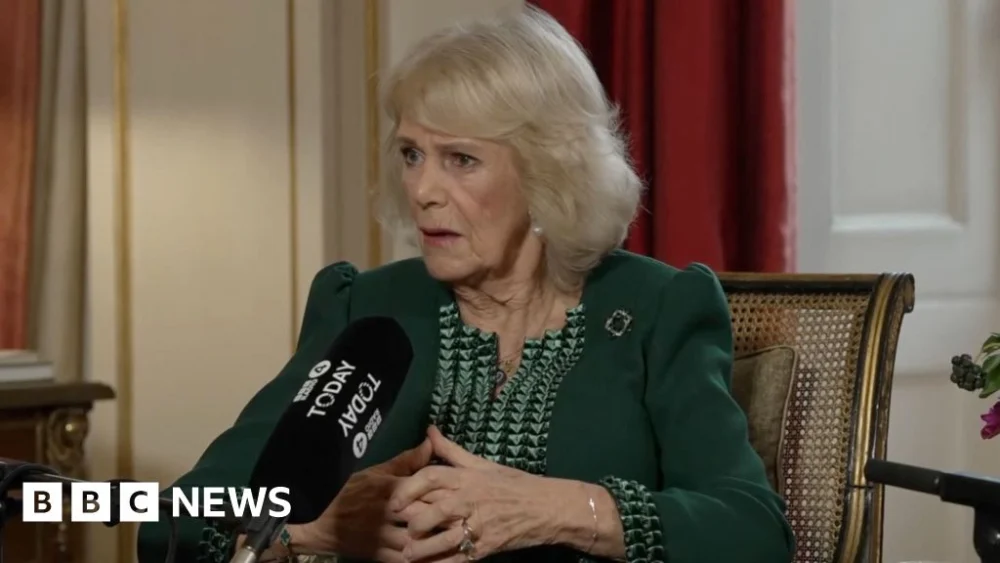
In an unprecedented public address, a senior member of the British Royal Family has underscored the profound and pervasive impact of gender-based violence, simultaneously revealing a deeply personal experience of attempted assault while expressing solidarity with a family devastated by an act of fatal domestic aggression. This significant moment occurred during a high-profile media broadcast focused on the endemic challenges of violence against women, lending a powerful, personal dimension to a societal issue of critical importance. The confluence of a royal figure’s disclosure and a family’s harrowing testimony has catalyzed a renewed examination of victim support, societal responsibilities, and the persistent need for systemic reform in addressing such crimes.
The conversation that prompted this royal revelation involved the profoundly tragic experience of Mr. John Hunt, a prominent figure in the broadcasting community, and his surviving daughter, Amy. Their family endured an unimaginable loss when Mr. Hunt’s wife, Carol, and two daughters, Louise and Hannah, were brutally murdered by Louise’s former partner. This act of extreme violence, a stark reminder of the fatal consequences of domestic abuse and coercive control, ripped through their lives, leaving an indelible scar. The Hunt family’s courage in sharing their agonizing narrative serves as a potent testament to the enduring impact of gender-based violence and the urgent necessity for heightened awareness and preventative measures. Their willingness to articulate their pain and advocate for change, even amidst profound grief, offers a beacon of resilience for countless others who have suffered similar devastation.
During this poignant exchange, the Queen, in a moment of extraordinary candor, publicly recounted her own adolescent encounter with attempted indecent assault. Describing her visceral reaction, she articulated feeling "furious about it," an emotion that she acknowledged had "sort of lurked for many years." This disclosure from a figure of such public prominence carries immense weight. Historically, members of the monarchy have maintained a carefully constructed distance from personal vulnerabilities, particularly concerning traumatic experiences. This departure from traditional royal reticence signifies a profound shift, potentially contributing to the destigmatization of discussing sexual assault and harassment. Her Majesty’s decision to share such a private and painful memory underscores her commitment to the broader cause of combating violence against women, providing a powerful demonstration of empathy and solidarity with victims worldwide.
The context for this groundbreaking discussion was a special edition of a renowned national radio programme, which was guest-edited by Baroness Theresa May, a former Prime Minister. The inclusion of such influential figures in the discourse highlights the political and societal urgency surrounding gender-based violence. The programme’s focus on this critical topic, facilitated by an experienced broadcaster, provided a platform for a multifaceted examination of the issue, encompassing personal testimonies, expert analysis, and policy implications. The convergence of a royal voice, a political leader, and a victim’s family created an unparalleled moment for public engagement and reflection on a subject often relegated to the shadows.
The tragic case of the Hunt family epitomizes the most extreme manifestation of gender-based violence, often referred to as femicide within the context of intimate partner violence. Such crimes are not isolated incidents but rather represent the devastating culmination of patterns of control, abuse, and escalating aggression. The profound ripple effects extend far beyond the immediate victims, inflicting severe psychological trauma on surviving family members, challenging community cohesion, and eroding trust in protective institutions. The specific nature of this crime—perpetrated by an ex-partner—underscores the critical period of heightened risk often faced by individuals attempting to leave abusive relationships. It highlights the urgent need for comprehensive risk assessments, robust protective orders, and accessible support systems for survivors. The Hunt family’s continued advocacy, despite their immense loss, transforms their personal tragedy into a catalyst for broader societal action, demanding accountability and systemic change to prevent similar atrocities.
The Queen’s disclosure, while deeply personal, resonates with a much wider societal phenomenon. Sexual assault and harassment remain pervasive issues globally, often underreported due to fear, shame, societal victim-blaming, and a lack of faith in justice systems. For a woman in her position to share such an experience, even decades later, sends a potent message that no one is immune to such violations and that speaking out, however delayed, is a legitimate and courageous act. Her description of feeling "furious" is particularly significant, as anger is a common, yet often suppressed, response to trauma. Acknowledging this emotion from a position of power can help normalize victims’ feelings and challenge the pervasive narrative that often expects passive suffering. This royal intervention has the potential to empower countless individuals to recognize their own experiences, validate their emotions, and potentially seek support or justice.
Expanding on the broader landscape of gender-based violence, it is imperative to understand its multifaceted nature. This encompasses not only physical and sexual assault but also psychological abuse, economic control, and online harassment. Globally, statistics reveal the alarming prevalence: one in three women worldwide experiences physical or sexual violence, mostly by an intimate partner. This violence is deeply rooted in gender inequality, patriarchal norms, and power imbalances that have historically marginalized women and girls. Efforts to combat this pervasive issue require a holistic approach, addressing not only the immediate aftermath of violence but also its underlying causes. This includes comprehensive education from an early age, challenging harmful stereotypes, promoting respectful relationships, strengthening legal frameworks, improving law enforcement responses, and ensuring access to specialized support services for survivors.
The involvement of Baroness Theresa May as guest editor signifies the political gravity attached to this discussion. As a former head of government, her participation lends an institutional weight, emphasizing that addressing gender-based violence is not merely a social welfare issue but a matter of national security, public health, and human rights. Political leadership is crucial in driving legislative reforms, allocating resources, and fostering a culture of accountability across government agencies and public institutions. The media platform itself, a national radio programme with significant reach, amplifies the message, ensuring it penetrates diverse segments of society and encourages widespread dialogue.
Looking forward, the implications of this broadcast are substantial. The Queen’s candidness could encourage a more open societal discourse around sexual violence, potentially leading to an increase in reporting and a greater demand for robust support systems. For advocacy organizations working in this field, such high-profile endorsement provides invaluable momentum, drawing attention and resources to their critical work. There is also potential for this moment to influence policy discussions, spurring governments to review existing legislation, enhance perpetrator accountability, and invest further in prevention programmes. The ongoing challenge, however, lies in translating this heightened awareness into tangible, systemic changes that fundamentally alter the landscape for women and girls. This requires sustained political will, consistent funding, and a collective societal commitment to eradicating gender-based violence in all its forms.
In conclusion, the convergence of a royal disclosure, a family’s heart-wrenching testimony, and a high-profile media platform has created an indelible moment in the ongoing global fight against gender-based violence. The Queen’s willingness to share her personal trauma, coupled with the Hunt family’s extraordinary bravery, serves as a powerful call to action. It underscores the universal nature of these experiences, cutting across social strata, and reinforces the urgent need for empathy, understanding, and robust systemic responses. This pivotal moment demands not only greater awareness but also a renewed collective commitment to fostering a society where safety, respect, and equality are fundamental rights for all.



 Aura Kasih


 Ridwan Kamil